3 daysUganda
3-Day Bwindi Gorilla Short Break
Fly in to Kihihi, trek one family in Buhoma, fly out. The shortest honest gorilla trip.
From$2,950 per person
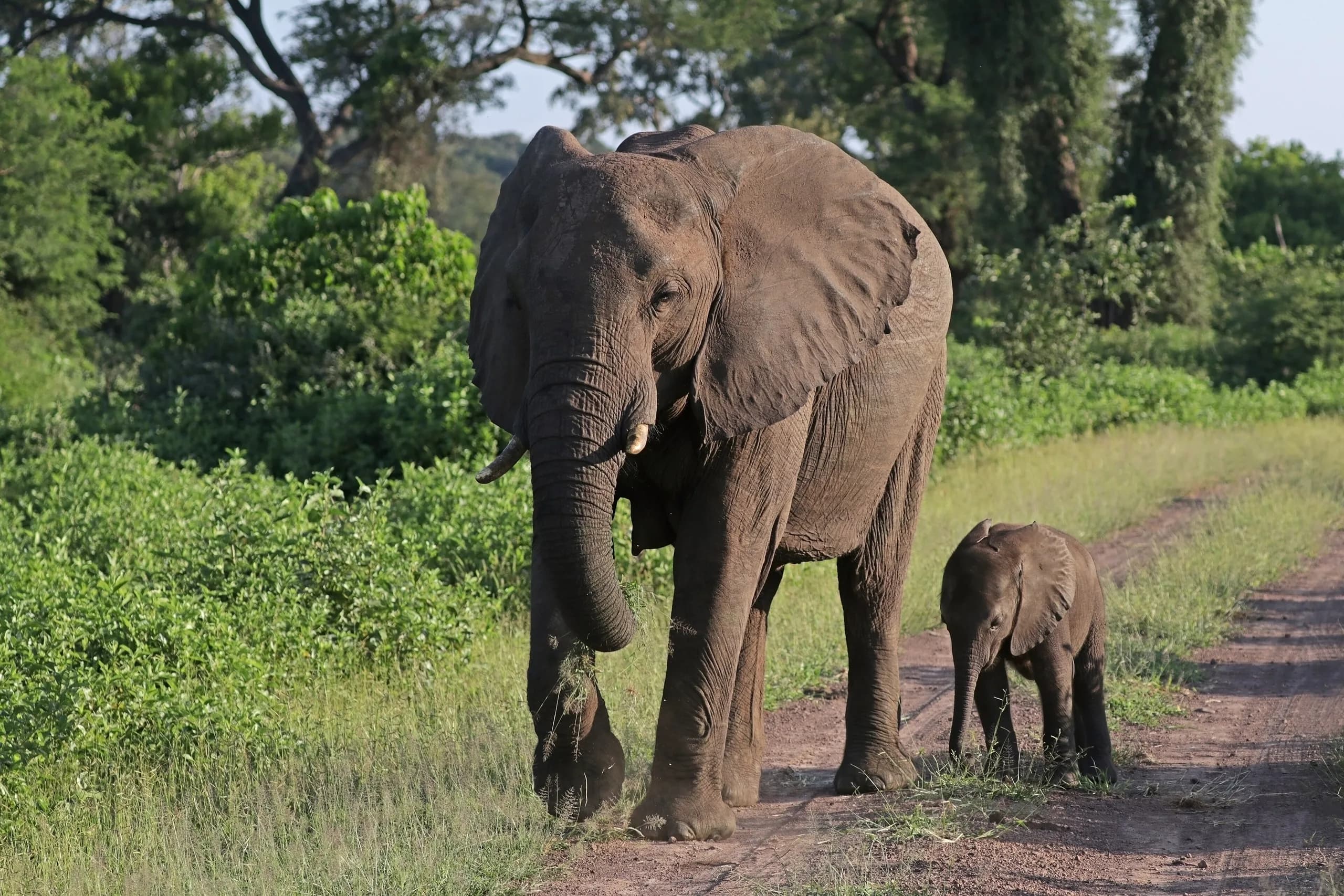
Vehicles, light and time built around the picture rather than the itinerary
A photographic safari is a normal safari with three things changed: the vehicle, the schedule and the number of people sharing both. You want a low window line and a beanbag rest, you want to be in position before sunrise and still out at last light, and you want nobody in the seat behind you asking to move on.
That is most of it. The rest is knowing where to point the vehicle, which is a guide question rather than a gear question. A guide who anticipates that the cheetah will move to the termite mound at the far end of the plain will get you a better frame than any lens.
We run these as private departures, with day plans built backwards from the light, and with the flexibility to spend a whole morning on one subject.
| Subject | Focal length | The real problem |
|---|---|---|
| Savannah predators | 200 to 600 mm | Heat haze after about 09:30 across open ground |
| Elephant and landscape animals | 24 to 105 mm | Getting the mountain and the animal in one frame |
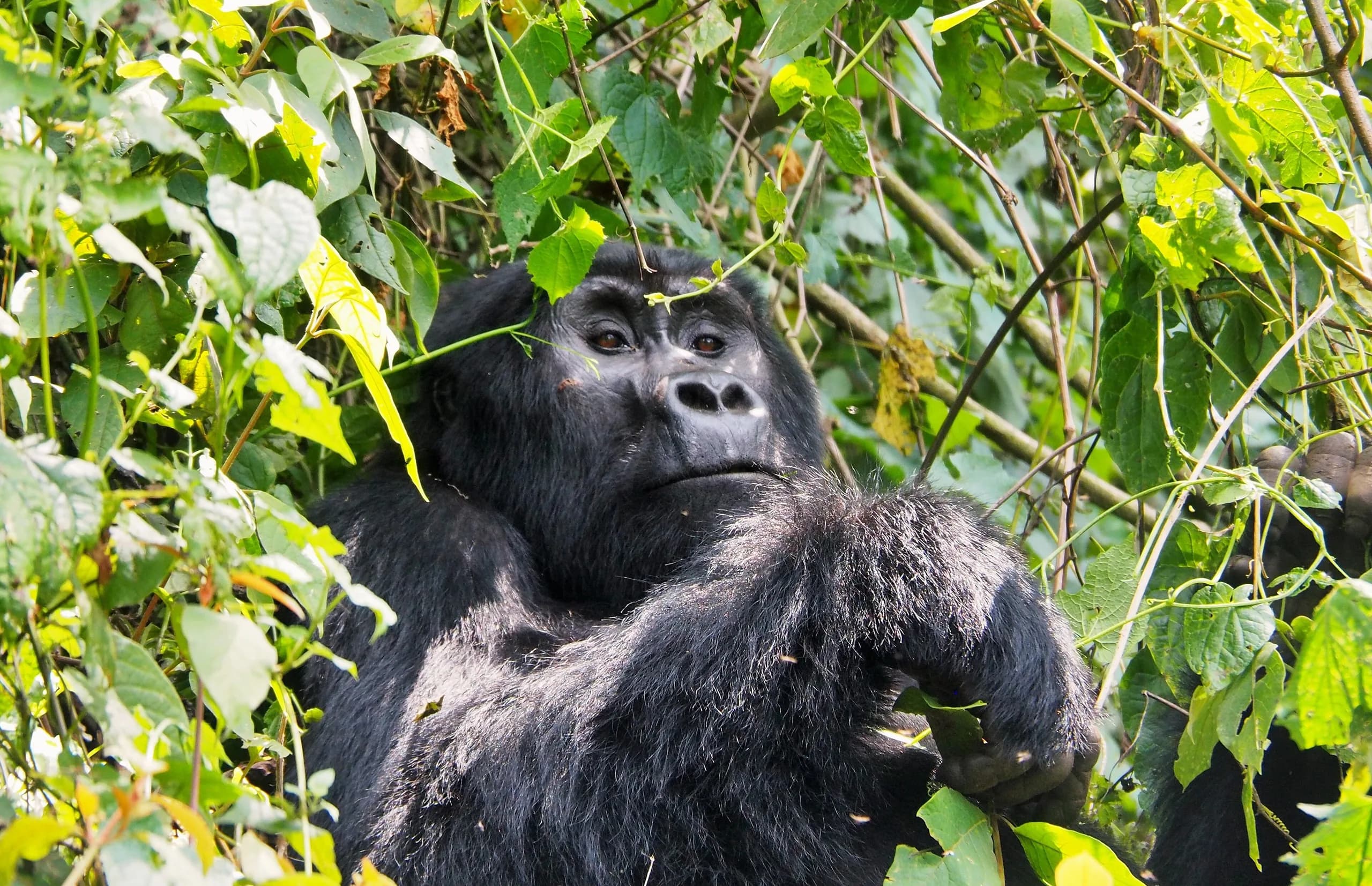
| Gorillas and forest primates | 24 to 70 mm, fast, plus a fast prime | Four stops less light than you expect, and black fur |
| Birds in flight | 400 mm plus | Autofocus tracking against cluttered backgrounds |
| Night drives, conservancies only | Fast prime, wide open | Filtered spotlights, and very high ISO |
Two bodies save more shots than a third lens, because changing lenses in a moving vehicle in dust is how sensors get ruined. Bring more cards than you think and back up every night; camps in the region have power but not reliable internet, so cloud backup is not a plan.
Flash is banned. The forest is dark, the subject is black, and you have exactly one hour. Set a high ISO before you enter the forest and stop worrying about noise, because a sharp noisy frame beats a clean blurred one. A wide aperture zoom in the 24 to 70 range does more work than a long lens, since the gorillas will often be closer than the minimum distance suggests. Wipe the front element constantly; the humidity fogs glass that came from an air-conditioned vehicle.
Out before first light with coffee in the vehicle, shooting through the golden hour, then a slower stretch spent on behaviour rather than portraits. Back for the harsh middle of the day to download, back up and sleep. Out again by 15:30 and staying out to the legal limit, which in a national park is dusk and in a conservancy can be well after dark.
The northern Serengeti and the Mara triangle in the crossing season, for the dust and the backlight. Amboseli in the early morning when Kilimanjaro is clear, which is usually before 08:00 and rarely after. Ndutu in February, for cheetah on short grass with clean backgrounds. The Kazinga Channel in the late afternoon, shooting from the boat at eye level, which is an angle you cannot get from a vehicle anywhere.
We use the same handful of guides for these trips. They understand why you want the vehicle turned around to put the sun behind you, they will reverse fifty metres without being asked, and they will not drive into your frame to get a client a closer look. That is worth more than anything you can buy.
Each of these already includes it. Any of them can be reshaped around your dates.
Tell us your dates and we will come back with an itinerary, the lodges we would use and a price that holds.