
10 daysUganda
10-Day Uganda Grand Circuit
Rhino on foot at Ziwa, the Nile at Murchison, chimps at Kibale, the Kazinga Channel and gorillas in Bwindi
From$7,200 per person

Uganda, national park
The Nile forced through a seven-metre gap, and the biggest game plains in Uganda
At Murchison the entire Victoria Nile is squeezed through a cleft seven metres wide and drops forty-three metres into the Devil’s Cauldron. You hear it before you see it. Standing at the top of the falls, close enough to be soaked by the spray, is one of the few sights in East Africa that is exactly as advertised.
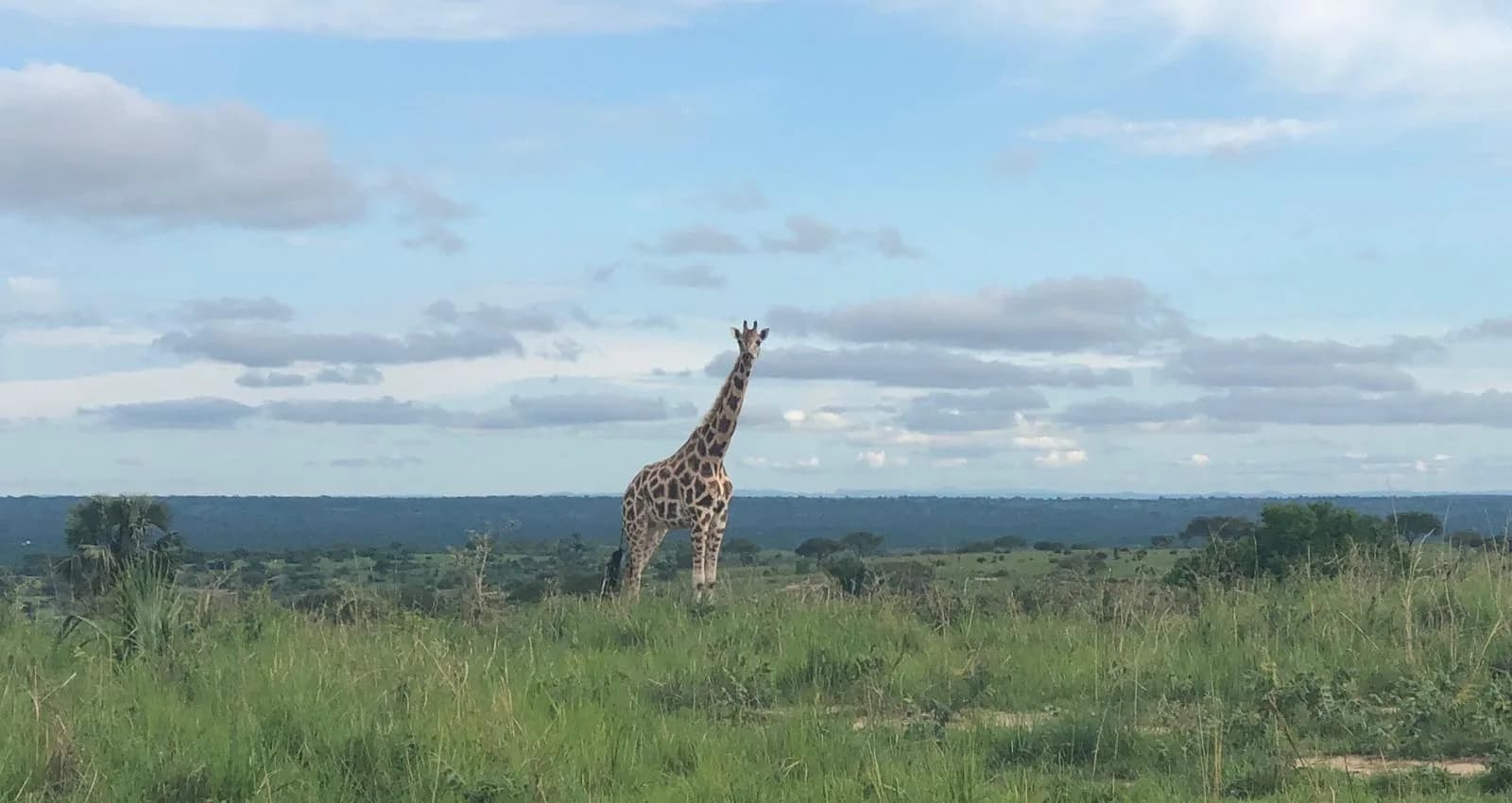
Below the falls the river widens and runs flat for thirty kilometres to Lake Albert, and this stretch carries an extraordinary density of hippo and crocodile. The northern bank opens into borassus palm savannah, which is the best big game country in Uganda: Rothschild’s giraffe in numbers, large elephant herds, buffalo, lion and the country’s only surviving population of Jackson’s hartebeest.
It is Uganda’s largest park at just under 4,000 square kilometres, and it is close enough to Kampala to be reached in a morning, which makes it the most practical savannah park in the country.
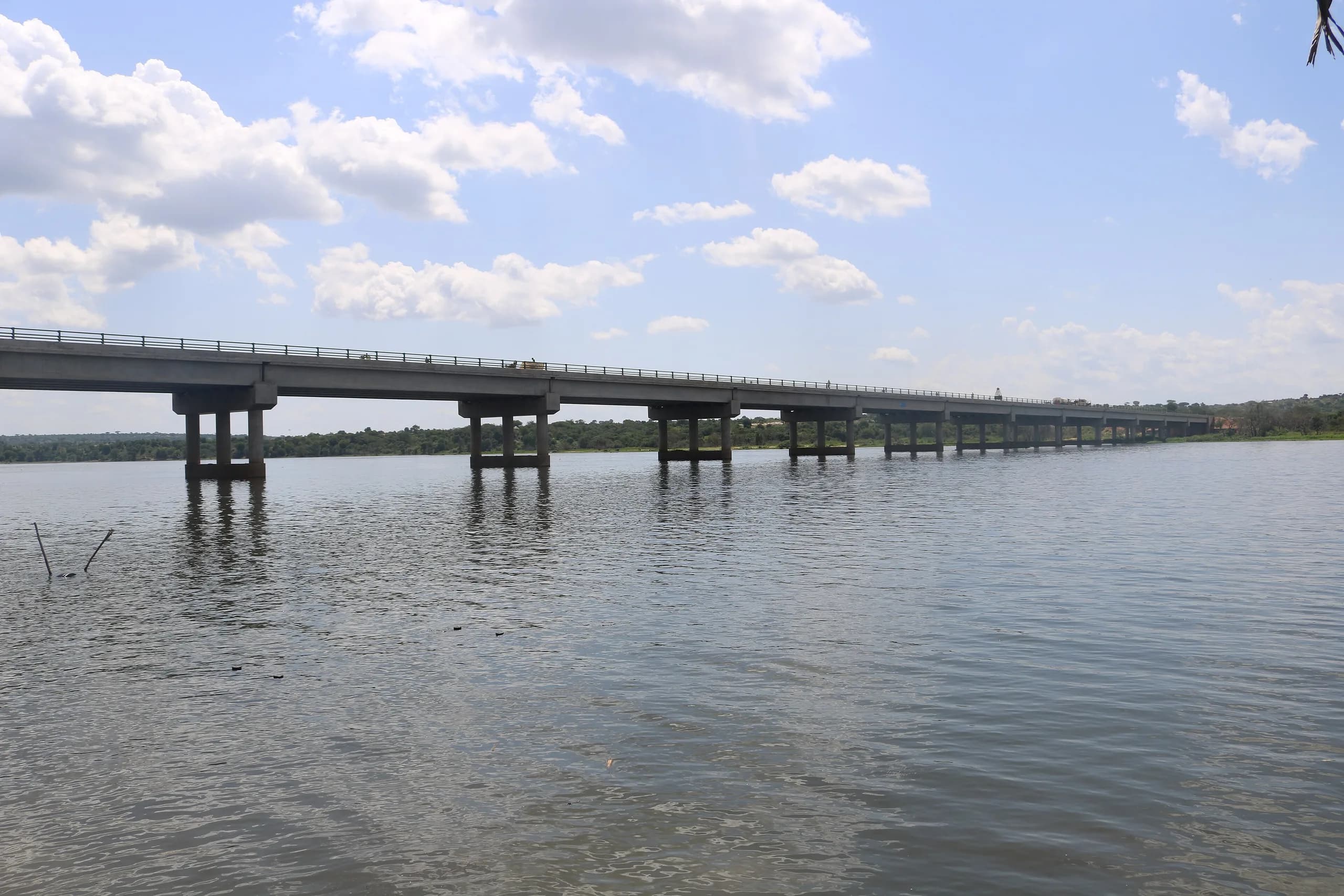
The Victoria Nile splits the park in two and the halves are not equal. Almost all the game is on the northern bank, where the Buligi peninsula between the Nile and the Albert Nile holds the giraffe, elephant and lion. The southern bank is woodland, holds far less game, and is where the falls themselves and several lodges sit. Crossing takes the Paraa ferry, which runs on a timetable and can be busy, so a lodge on the wrong side costs you an hour at the start of every game drive. If game viewing is the priority, sleep north.
The three-hour launch from Paraa upstream to the foot of the falls is the single best activity in the park. You pass hippo pods continuously, crocodile hauled out on the sand, elephant coming down to drink and a river frontage of goliath heron, African fish eagle and, if you are lucky between January and March, the shoebill in the Nile delta downstream. The boat stops at the bottom of the cauldron where the spray reaches you. Combine it with the walk to the top of the falls: rangers drop you at the base and you climb 45 minutes up the gorge to the viewpoint, which is a far better experience than driving to the top.
Park entry for foreign non-residents is around 40 US dollars per person per 24 hours and the Paraa launch is roughly 30 US dollars per person, both set by the Uganda Wildlife Authority and both indicative. Vehicle entry and the ferry crossing are charged separately and are modest. Sport fishing below the falls, which is mostly catch and release for Nile perch, is licensed separately and needs arranging in advance.
Murchison holds the largest population of Rothschild’s giraffe anywhere, and it is the source population for the reintroductions elsewhere in Uganda. The wider recovery is worth knowing: poaching during the conflicts of the 1970s and 1980s removed almost all the elephant and rhino from this park. The elephant have come back. Rhino have not, which is why Ziwa Rhino Sanctuary exists on the road in from Kampala, and why almost every itinerary stops there.
The southern approach passes through Budongo Forest, a mahogany forest with habituated chimpanzees at Kaniyo Pabidi and some of the best forest birding in the country. It makes a natural first or last night. Less comfortably, oil development in the Albertine Graben runs through the northern part of the park, with well pads and access roads inside the boundary. You will see the infrastructure. It is part of what this park now is, and any operator telling you otherwise has not driven the Buligi circuit recently.
Resident species, not a promise. Wildlife moves.
December to February and June to September are the dry months, when animals concentrate along the river and the black cotton soil tracks on the northern bank stay passable. The falls are at their most violent in the wet, from March to May and again in October and November, when the flow through the gap is heaviest and the spray reaches furthest, so photographers often prefer the shoulder of the wet season even though the game viewing is harder. Shoebill sightings in the Nile delta are best from January to March when the water is low. The park is hot year round on the northern bank, regularly above 32 degrees by midday, so morning and late afternoon are the working hours whatever the month.
By road it is five to six hours from Kampala to the southern sector via Masindi, and the last two hours are murram. Most people break the drive at Ziwa Rhino Sanctuary, which is three hours out of Kampala and is the only place in Uganda to track white rhino on foot. The longer route via Pakwach reaches the northern bank directly and avoids the ferry. By air, Aerolink flies Entebbe to Pakuba, Bugungu and Chobe airstrips in about seventy minutes, with Pakuba the right choice for the northern bank lodges and Bugungu for the south.


The properties we book here most often. Which one suits you depends on the season, the sector you are trekking and how much walking you want between your room and dinner.
Luxury, 8 rooms
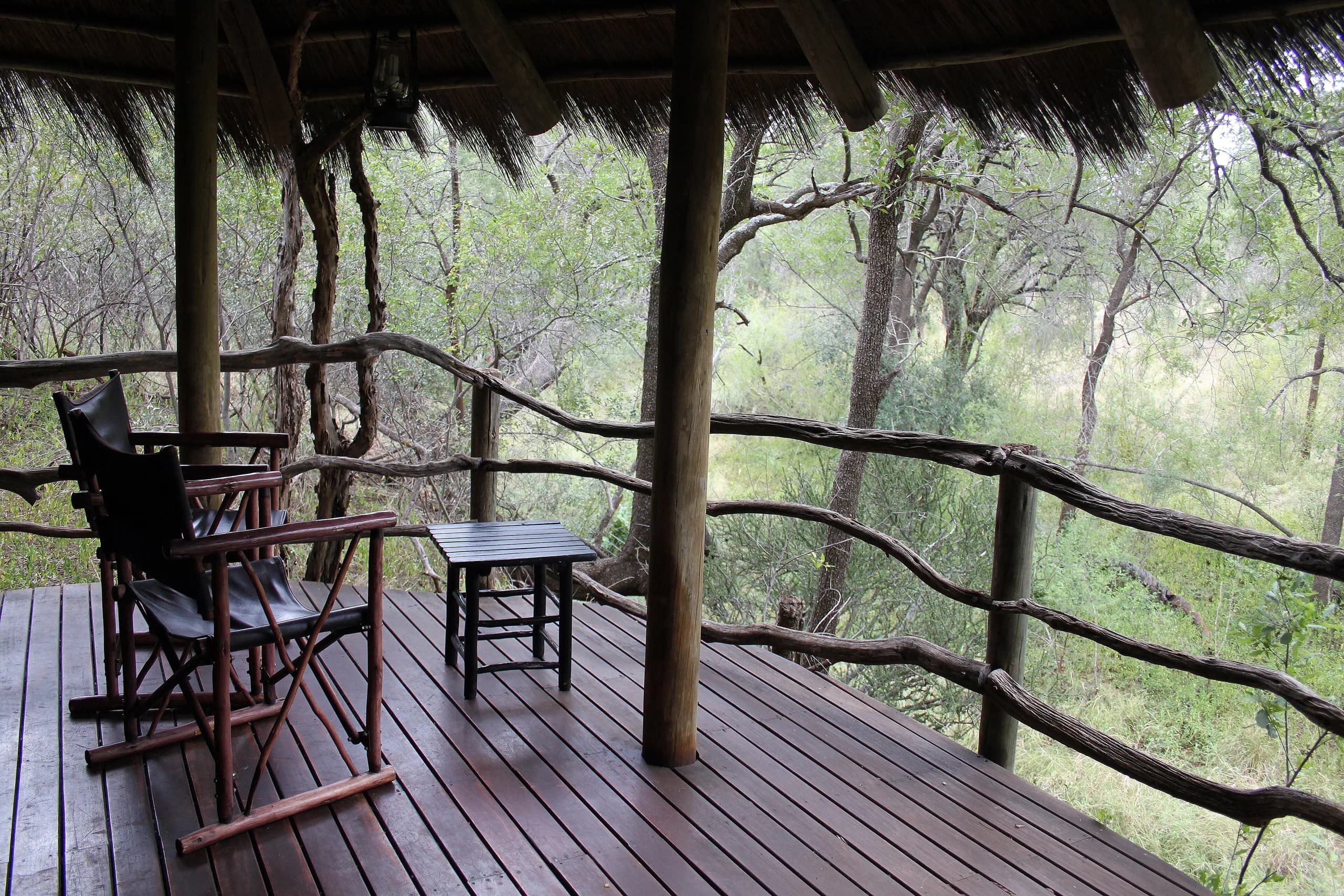
A rebuilt riverside camp on the southern bank of the Victoria Nile, downstream of the falls and outside the main park gate. Rooms are open-fronted with the river in front of them, and hippo grazing at night is normal. Being on the south bank means an early ferry or bridge crossing for game drives on the northern plains, which is the trade-off for a much quieter setting.
River-facing suites with private decks, Infinity pool above the Nile, Boat trips to the base of the falls
We will say honestly what is available on your dates, what the permits cost and whether the season suits what you want to do in Murchison Falls National Park.