
Responsible travel, described in specifics
What our money does, what it does not do, and where we are still getting it wrong.
The honest position
Tourism is the reason mountain gorillas still exist. It is also the reason a long-haul flight sits at the front of every trip on this website. Both are true and we are not going to pretend otherwise, or sell you an offset that lets everybody stop thinking about it.
What we can do is be specific about where the money goes and who it reaches. Everything on this page is something you can check, either with us or with the authority concerned.
Where a permit fee actually goes
Park authorities publish revenue-sharing arrangements with the communities on their boundaries. These are theirs, not ours, and they are worth reading directly.
01
The permit funds the park
Gorilla and chimpanzee permits are bought from the Uganda Wildlife Authority and the Rwanda Development Board at the published rate. We pass them on at cost, and they fund ranger salaries, veterinary teams and the anti-poaching patrols that walk the boundary every day.

02
A share is returned to neighbouring communities
Both authorities operate revenue-sharing schemes that return a proportion of park income to the parishes bordering the park, for schools, clinics, water and crop protection. Ask us for the current published percentage rather than taking a figure from a tour operator, ours included.

03
Porters and trackers are paid directly
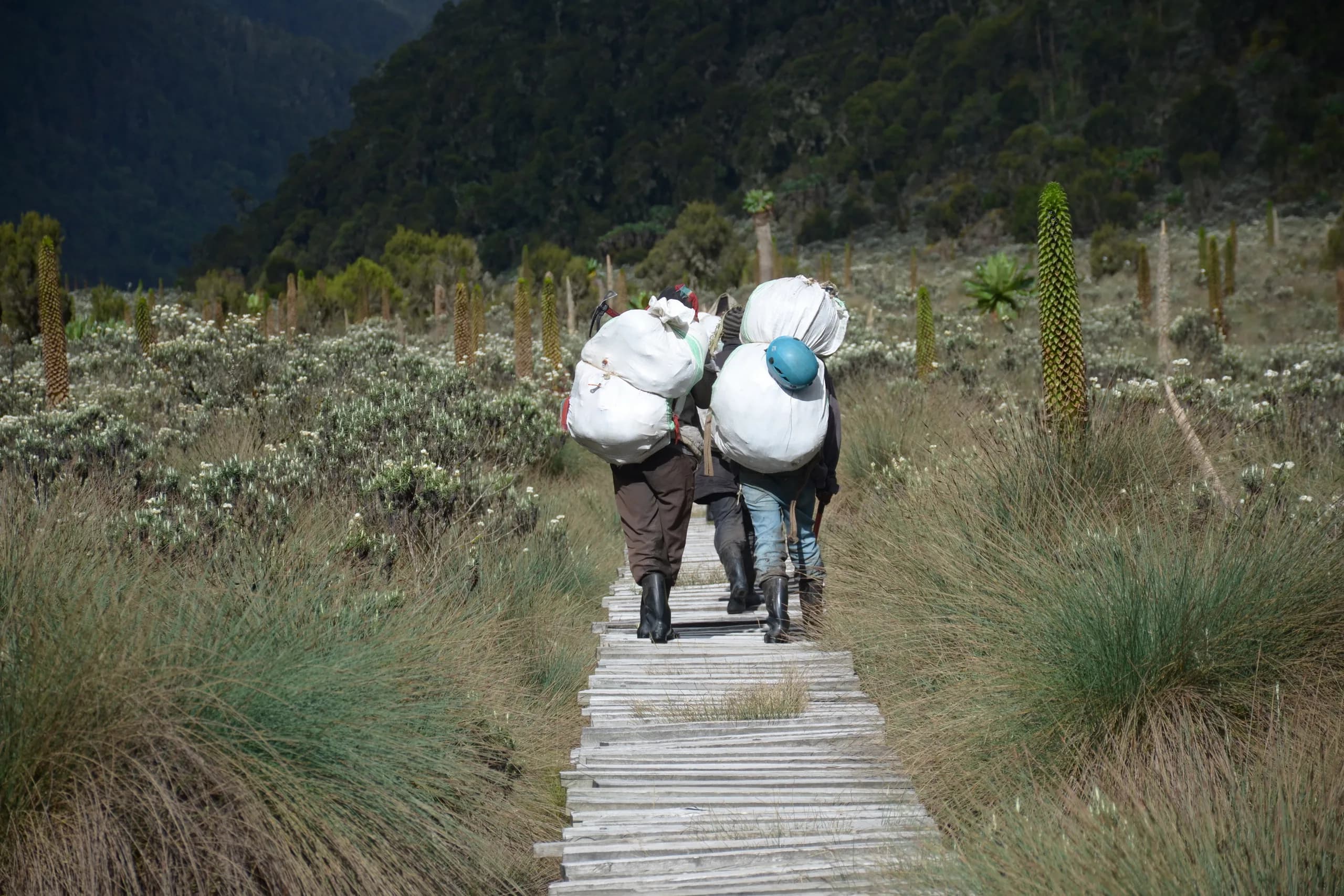
Porter fees and tips go straight to the person carrying your bag. A number of them are former poachers, and the arithmetic that changed their minds is simple: a live gorilla pays a household every week, and a dead one pays it once.
04
We buy locally where the choice exists
Guides, drivers and office staff are East African and directly employed. Community-run walks, craft groups and cultural visits are booked with the group itself rather than through an agent who takes a cut.

“A live gorilla pays a household every week for the rest of its life. A dead one pays it once. That is the entire conservation argument, and it only works if the money reaches the boundary.”
 Nuwagaba MichaelFounder, Mnyansio Tours and Travel
What we ask of you
In the forest
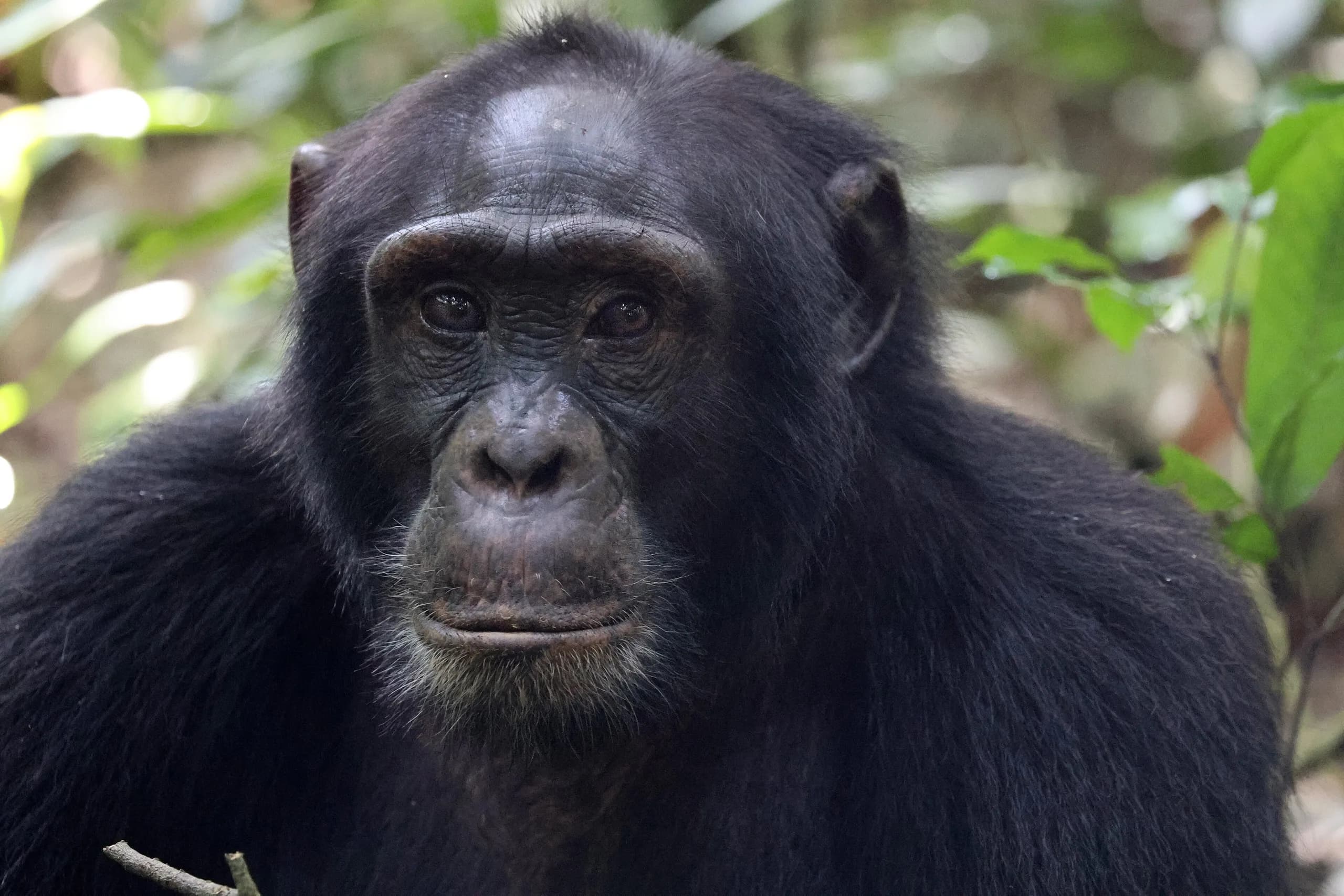
- Do not trek with a cough, a cold or a fever. We share enough respiratory biology with gorillas and chimpanzees that a human head cold can kill one. If you are unwell on the morning, tell the warden.
- Wear a mask where it is required, and where it is merely recommended, wear one anyway.
- Keep the stated distance. The animals will break it; you should not.
- Never use flash, and leave the drone at home. They are banned in every park here.
In camp and on the road
- Ask before photographing people, and accept no as an answer.
- Do not give sweets, pens or money to children at the roadside. It teaches a village that begging from vehicles pays better than school. Give to the school itself, through the lodge, if you want to give.
- Bring a refillable bottle. Every lodge we use provides filtered water.
- Take your batteries, blister packs and wet wipes home. Remote camps have no way to dispose of them.
On buying things
Never buy anything made from ivory, pangolin scale, turtle shell, animal skin or bone. It is illegal to export and illegal to import almost everywhere, and it funds the exact trade the rangers are trying to end.
Where we are still getting it wrong
Our vehicles run on diesel and there is no realistic electric alternative for these distances yet. Long-haul flights dominate the footprint of every trip we sell and nothing we do in-country offsets that honestly. Some of the lodges we use are more comfortable than they are efficient, and we still recommend them.
We would rather write that down than publish a page of leaves and promises. If you want to reduce the impact of your trip, the two changes that actually matter are staying longer in fewer places, and flying less often for longer trips rather than often for short ones.
Ask us where your money goes
We will break any quote down to the line and tell you which parts leave the country and which do not.