Skip to content
MNYANSIOTours & Travel
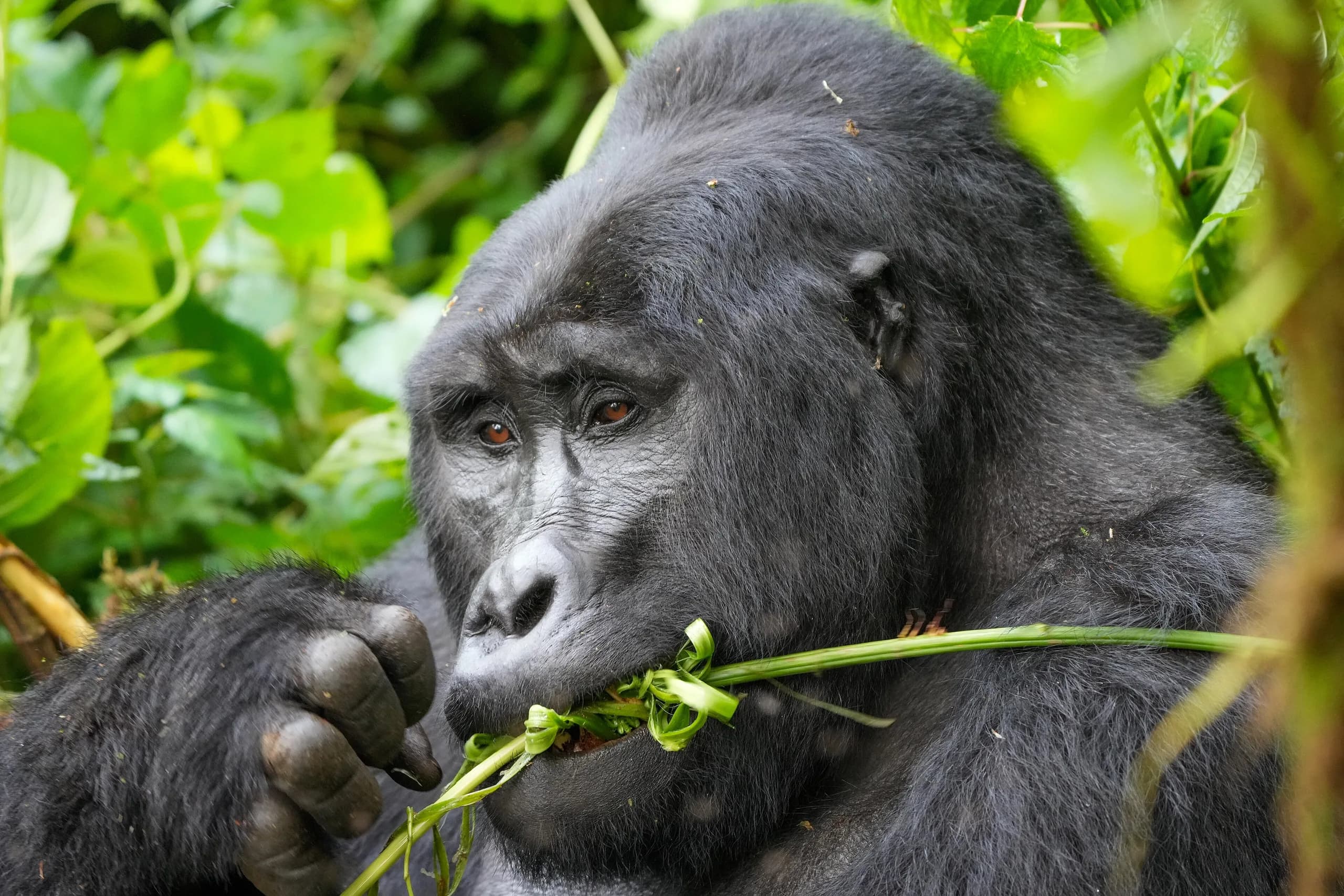
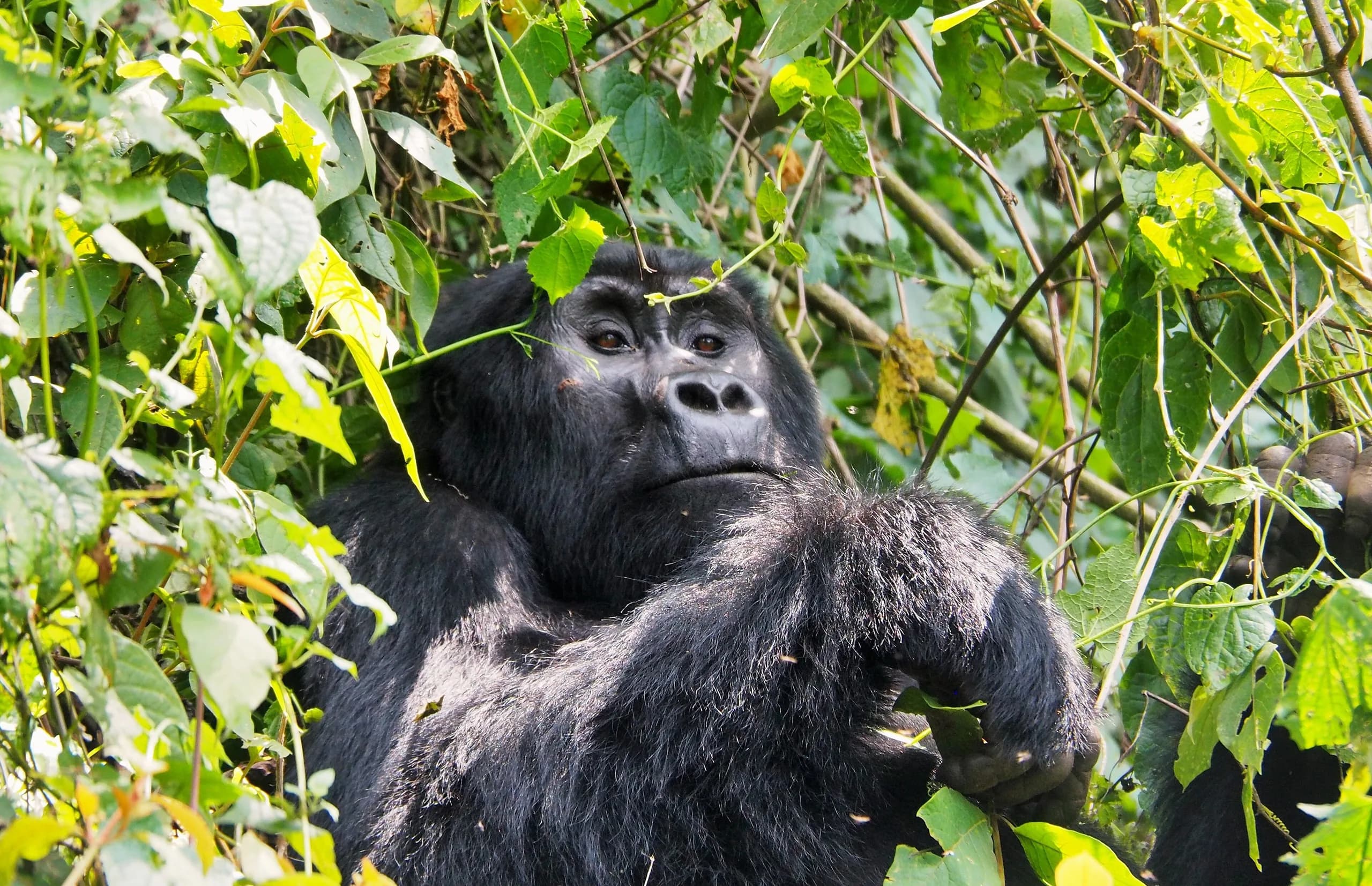
A silverback mountain gorilla feeding in dense undergrowth in Bwindi Impenetrable Forest

Uganda, Rwanda, Kenya, Tanzania

Safaris planned by the people who drive the routes

Gorilla trekking, the Big Five and the migration, arranged one trip at a time by a team based in East Africa.

How we work

One planner, from the first email to the airport transfer home

You are not passed between a sales desk, an operations desk and a driver who has never heard of you. The person who answers your first message builds the itinerary, holds the permits, briefs the guide and is reachable on the phone while you are in the field.

That is possible because we keep the number of trips deliberately low and because we are here, in the region, rather than reselling somebody else’s departure from another continent.

What planning with us looks like

Four stages, no pressure at any of them, and nothing paid until you have seen a written itinerary with real lodge names in it.

01

Tell us the shape of the trip

Dates or a rough month, how many of you, what you most want to see, and a budget range. A range is enough. We will tell you quickly if it does not fit, rather than quoting you something that will disappoint.

Notes being written at a desk as a trip takes shape

02

Read a real itinerary

Within two working days you get a day-by-day plan with the actual lodges named, the actual driving times, and a price broken into permits, accommodation, transport and park fees. Not a brochure.

A day by day itinerary being written out at a desk

03

We hold the permits

Gorilla and chimpanzee permits are date-specific and finite. Once you confirm, we buy them in your name against your passport details and send you the reference numbers.
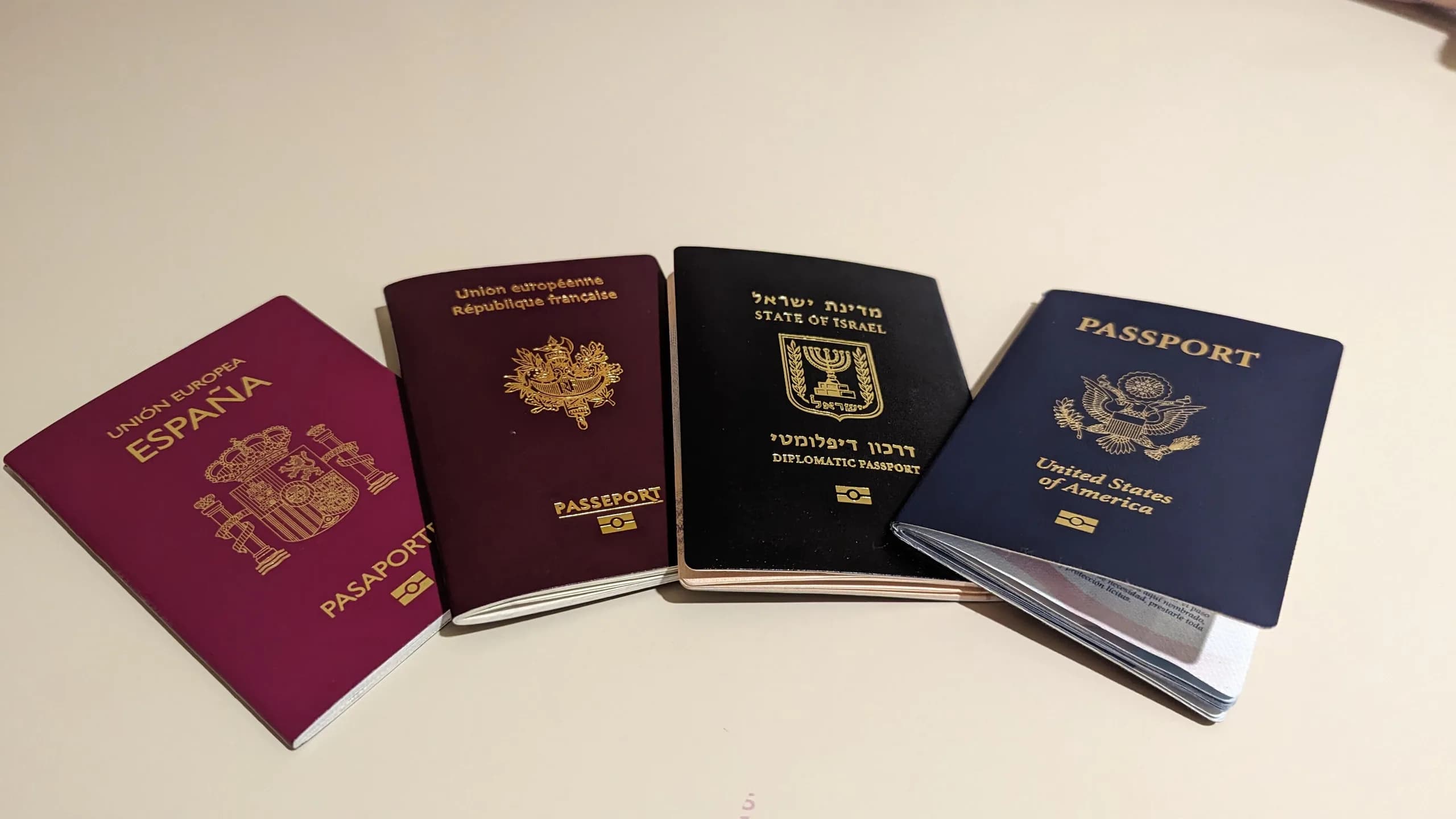
Passports on a table, the details against which gorilla permits are issued

04

You travel, we stay reachable

You get one number that reaches a person in East Africa, not a call centre in another time zone. Flights move, roads wash out, and someone here fixes it while you are still at breakfast.
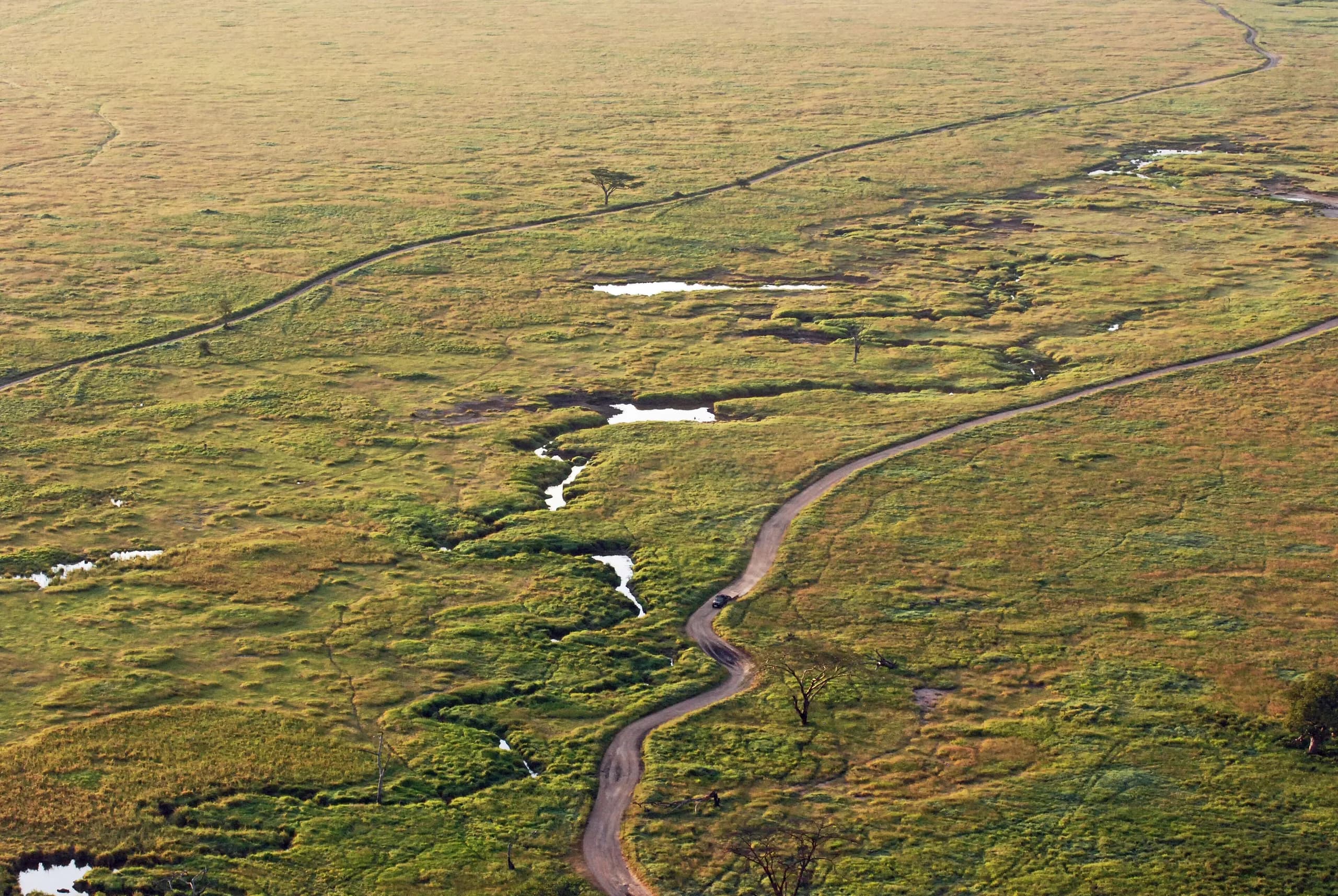
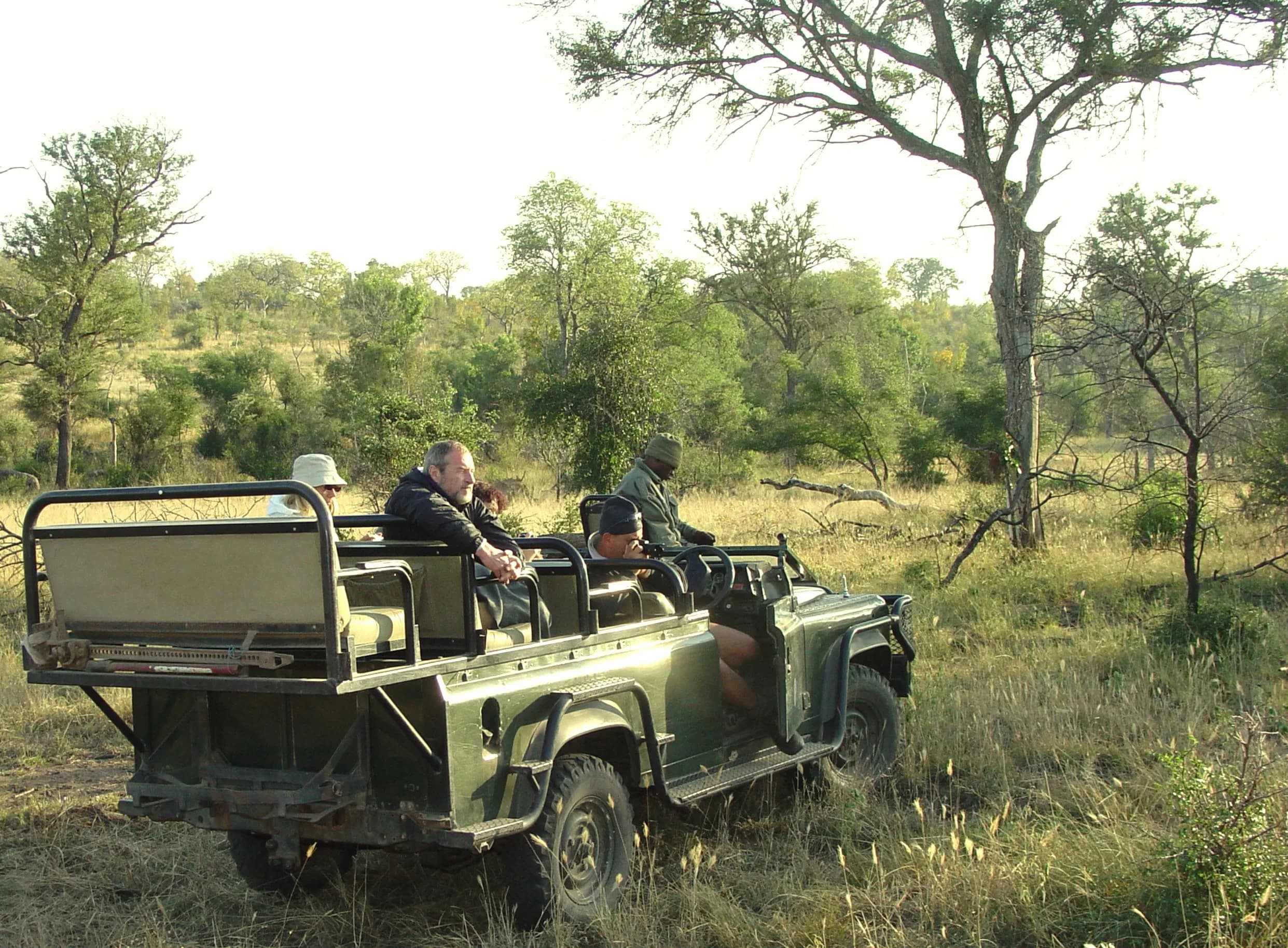
A safari vehicle on a dirt road across the Serengeti

“The trackers have been walking since first light. By the time you start, they already know where the family is. All you have to do is get there.”

Nuwagaba MichaelFounder, Mnyansio Tours and Travel

Straight answers

We will tell you when the answer is no

Some months are wrong for what you want to see. Some lodges are not worth their rate. Some combinations of parks cannot be driven in the days you have without spending the whole trip in a vehicle. We say so before you book, not after.

Every price we publish separates what we charge from what a park authority charges, because permits and park fees are set by the Uganda Wildlife Authority, the Rwanda Development Board, Kenya Wildlife Service and TANAPA, and they change on their schedule rather than ours.

The figures that are fixed

4
Countries we operate in
12
Parks, forests and islands in our catalogue
1 hour
With a gorilla family, set by the park authority
1
Guide and vehicle per private party, never shared

Questions we are asked most

Which countries do you run safaris in?

Uganda, Rwanda, Kenya and Tanzania, including Zanzibar. We deliberately do not sell trips outside those four, because the value we add is knowing the guides, the lodge managers and the road conditions personally, and that does not travel.

Are your safaris private, or will I be sharing with strangers?

Private. Your vehicle and your guide are yours for the whole trip, and nobody else joins. It is the single change that most improves a safari, because you set the departure times and you decide when to stay with a sighting rather than move on.

Are the itineraries on your website fixed departures?

No. Every route published on this site is a starting point that we then change to suit you. Most trips we run go through three or four drafts before anyone pays anything, and moving a lodge, adding a night or swapping a park are all normal requests at that stage.

How far in advance should I book?

Six to twelve months if your trip includes gorilla trekking in June to September or December to February, because permits for the popular sectors sell out that far ahead. Three to six months for a savannah safari in high season. Outside those windows, two to three months is usually comfortable, and short-notice trips are often possible in April, May and November.

When is the best time of year for an East African safari?

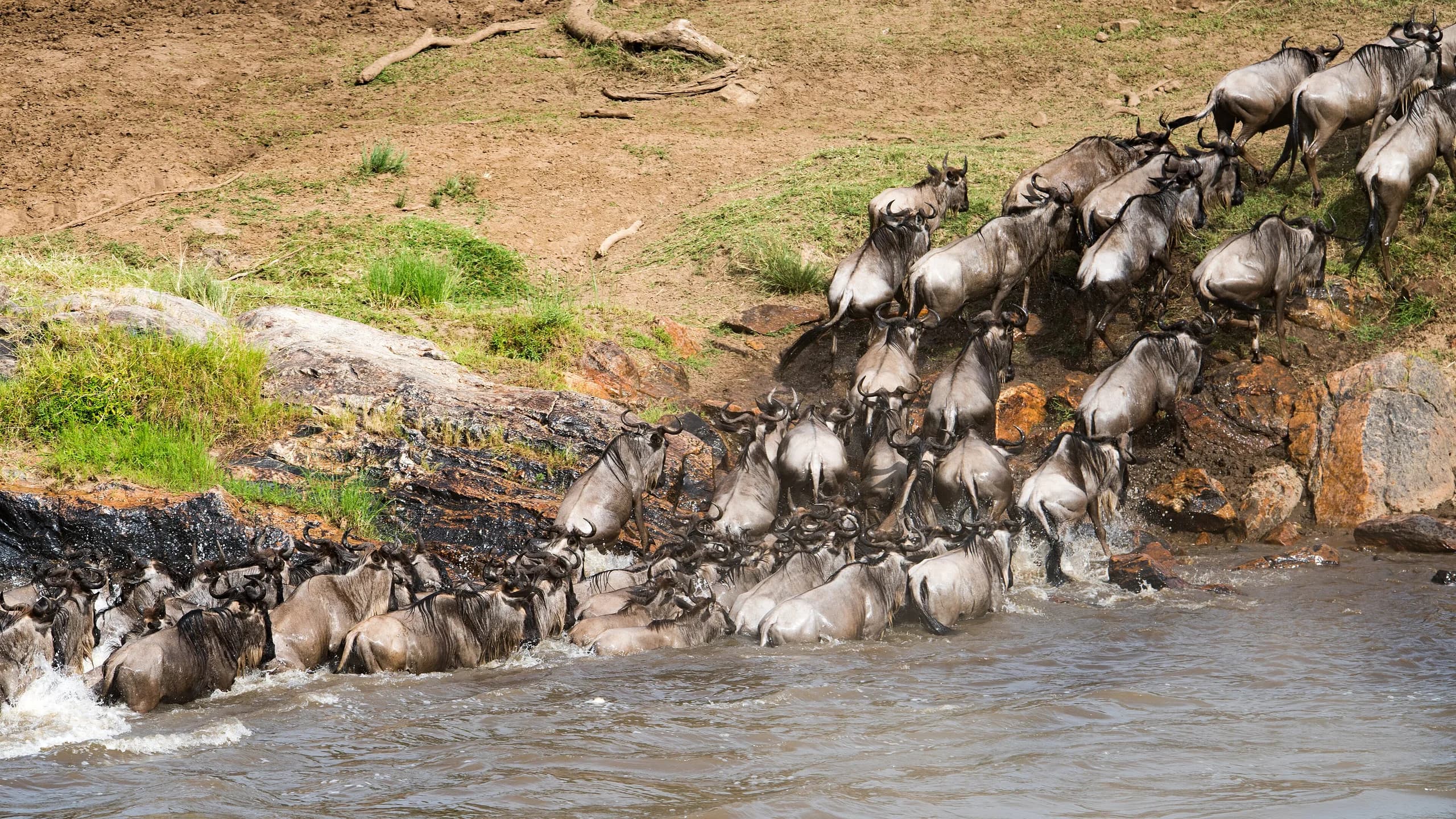
It depends entirely on what you want to see. June to October and December to February are the classic dry season windows for savannah game viewing across all four countries. February is the calving season on the southern Serengeti plains. July to October is the Mara river crossing period. Gorillas are resident year round, so for them the season changes the mud rather than the sighting.

Can I combine more than one country in a single trip?

Yes, and some of the best trips do. Rwanda and Uganda combine easily by road across the Cyanika or Katuna border. Kenya and Tanzania combine by air. Uganda and Kenya work well with a short flight. What we will not do is push four countries into ten days, because you would spend the trip in transit.

Do I need a visa?

Most nationalities need a visa for each of the four countries, and Uganda, Rwanda and Kenya all operate online applications that should be completed before you travel. Requirements change, so we confirm the current position for your nationality at the time of booking and you should also check with the relevant high commission or embassy.

What is the East Africa Tourist Visa?

A single multiple-entry visa covering Uganda, Rwanda and Kenya, valid for ninety days, which lets you move between the three without buying a separate visa for each. It is applied for through the country you enter first. It does not cover Tanzania. If your trip includes two or three of those countries it is usually the cheaper route, and we will tell you which to apply through.
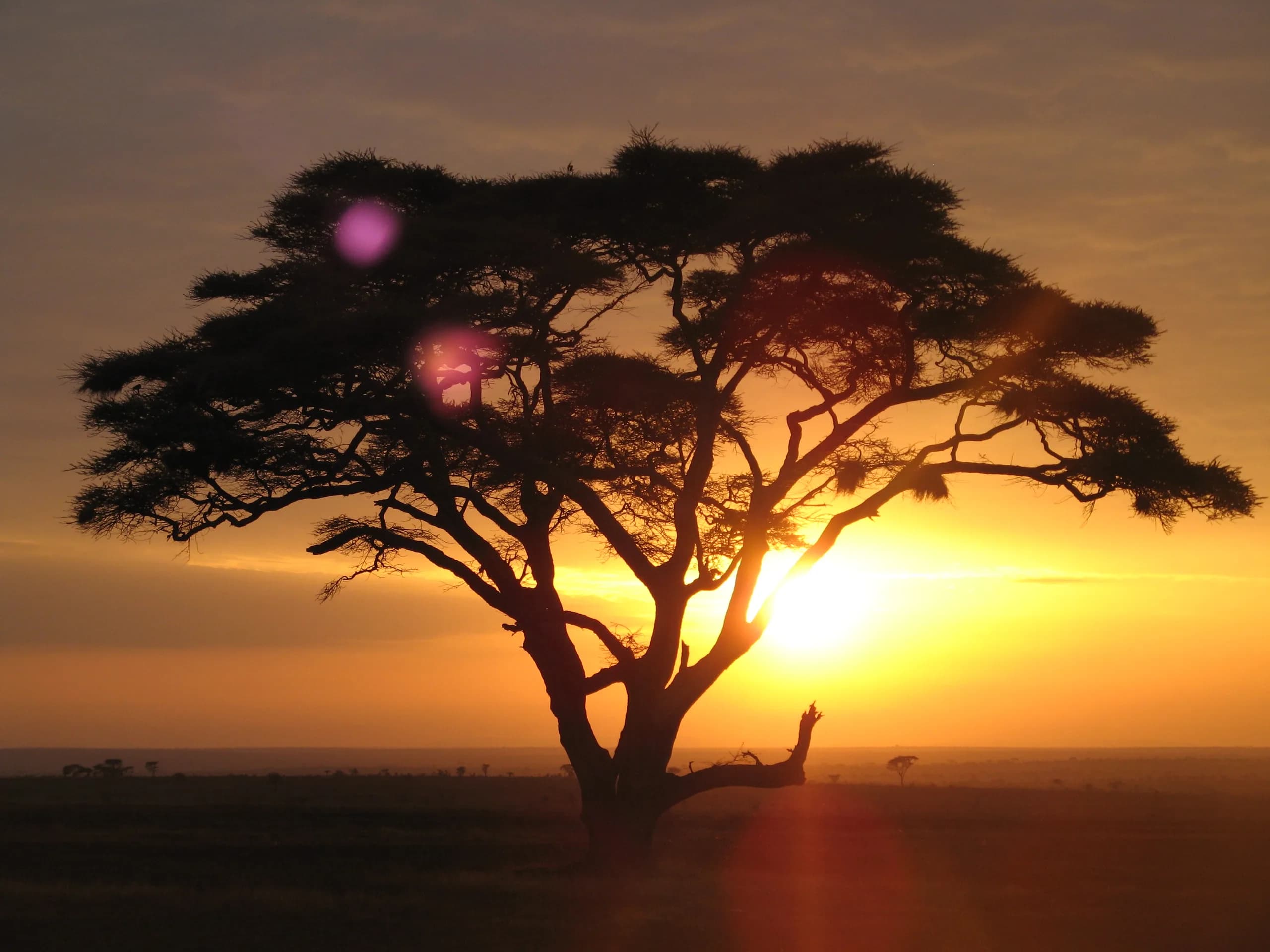
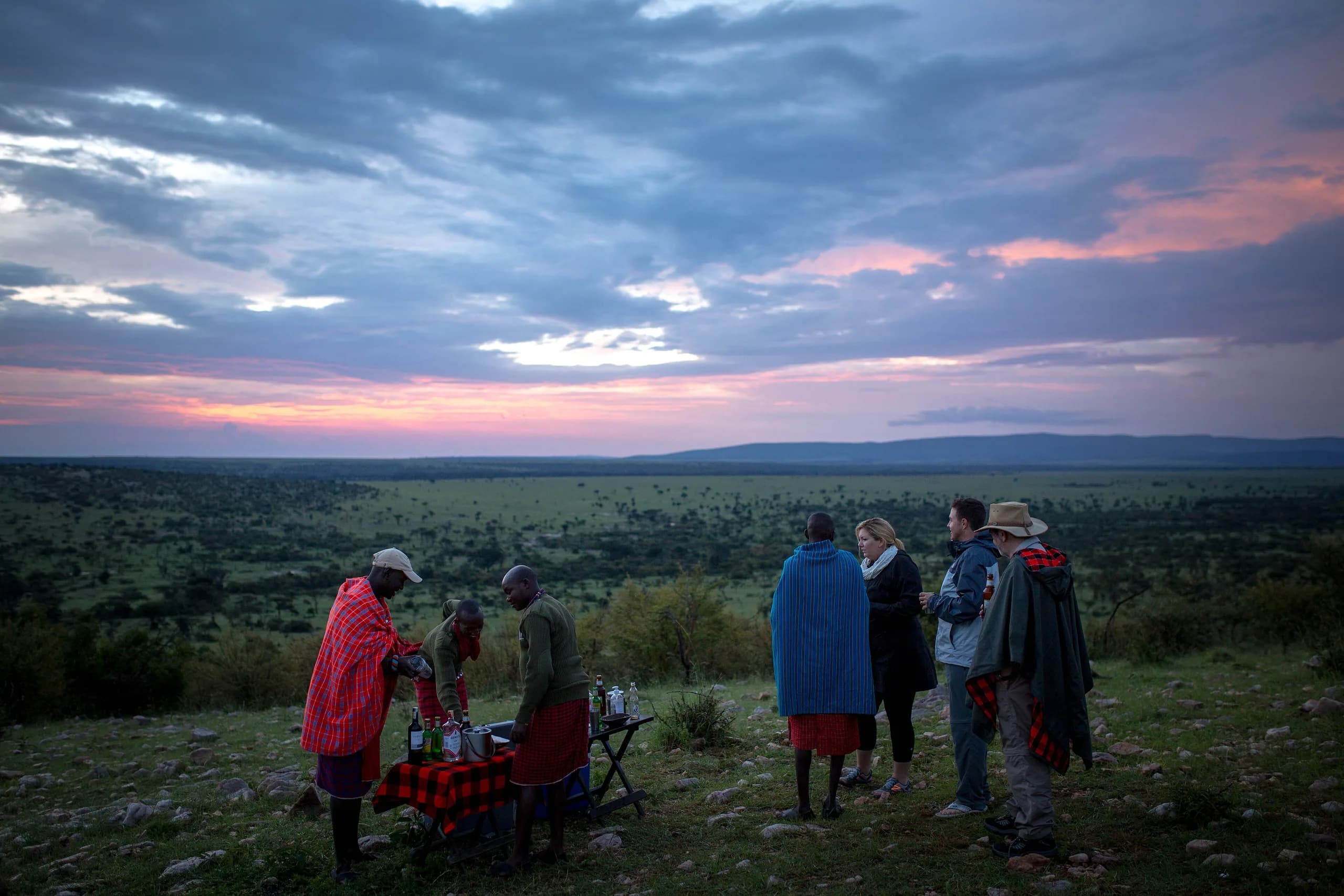
An acacia against a low sun on the Serengeti plains

Tell us when you can travel and we will tell you what is possible

No deposit to start, no obligation, and a written itinerary within two working days.