

5 daysRwanda
5-Day Rwanda Gorillas and Kigali
Two hours of tarmac from the capital to the Virunga volcanoes, a gorilla family and the golden monkeys
From$5,400 per person

Rwanda, national park
Five of the eight Virunga volcanoes, and two hours of tarmac from Kigali to the trailhead
Volcanoes National Park is the Rwandan third of the Virunga massif, a chain of eight volcanoes shared with Uganda and the Democratic Republic of Congo. Five of them stand inside Rwanda: Karisimbi, Bisoke, Sabyinyo, Gahinga and Muhabura. The forest between them is bamboo, hagenia and giant lobelia, and it is where Dian Fossey worked from 1967 until she was killed at Karisoke in 1985.
It is the most convenient gorilla trekking in Africa. Kigali International to the Kinigi park headquarters is about two hours on good tarmac, with no light aircraft leg and no murram at the end, so a traveller with five days of leave can land on a Friday evening and be sitting with a family on Sunday morning. The permit is 1,500 US dollars per person, and that convenience is a large part of what the money buys.
Convenient does not mean easy. Kinigi sits at around 2,300 metres and every trek climbs from there, the ground holds mud in most months, and the stinging nettles are worse than in Bwindi. Walking time runs from ninety minutes to a full day in each direction depending on where the family moved to overnight, and nobody can tell you the evening before which it will be.
A Rwanda gorilla trekking permit is 1,500 US dollars per person for a foreign non-resident, set by the Rwanda Development Board. It covers park entry, the ranger guides, the trackers who have been out since first light, an armed escort and one hour with a habituated family in a group of eight. There are around a dozen families open to visitors and eight permits per family, which caps the whole park at under a hundred trekkers on any given day. The figure is indicative in the sense that the board sets it and can revise it, and the rate on the day of booking is the one that applies.
Permits are held against a specific date. From June to September and December to February they go months ahead, so the correct order is to secure the permit first and build the lodges around the date you are issued. A second trek on a second day is a second permit at the same price, and a surprising number of people who could have afforded two wish afterwards that they had bought two.
Everybody reports to the park headquarters at Kinigi by 07:00 for the briefing, where there is coffee, an Intore dance troupe and, more importantly, the allocation. The head guides sort visitors into groups of eight and match each group to a family by walking distance and by fitness, so this is the moment to mention a knee, a heart condition or a bad night at altitude. Tell your operator in advance as well, because it carries more weight raised beforehand than raised in the car park.
From Kinigi you drive twenty to sixty minutes to the trailhead, then walk up through potato and pyrethrum fields to the stone buffalo wall that marks the park boundary. Everything above that wall is forest. Porters wait at the trailhead and cost around 20 US dollars plus a tip. Take one whatever your fitness: they carry the bag, they haul you up the wet sections, and the fee is direct income to people living against the boundary.
Kinigi is at about 2,300 metres and the trekking works up the flanks of Sabyinyo, Gahinga, Muhabura, Bisoke and Karisimbi from there, so most of the day happens above 2,500 metres. The usual effect is breathlessness on the first climb rather than anything medical, but if you flew in from sea level the previous evening you will feel it, so arrive a day early if the itinerary allows.
The ground holds mud in every month and the nettles sting straight through thin fabric. Gaiters, long trousers, gardening gloves and boots with ankle support are the difference between a good day and a miserable one. The minimum age is 15, and travel insurance for this trip needs to cover trekking above 2,500 metres.
The golden monkey trek is the most underrated activity in the park. The permit is around 100 US dollars, the walking is short and mostly level through the bamboo, and the troops move fast and close. It is the obvious second day for anyone staying more than two nights.
Two harder walks are also sold. The climb to the crater lake on Bisoke at 3,711 metres is a steep four to five hours up and three back down on mud. The hike to Dian Fossey’s tomb at the old Karisoke site is shorter but still a real ascent, and the graves of the gorillas she worked with are beside hers. Both sit at around 75 US dollars per person, set by the same board and indicative. The Dian Fossey Gorilla Fund campus at Musanze is where the current research is actually based and is a better hour than most visitors expect.
Rwanda has announced an expansion of the park into farmland along its northern edge, with households bought out and resettled and the land returned to forest. The programme is under way and it is consequential for the families involved. Some of the terraced fields you drive through on the way to Kinigi will be inside the park in a decade. It is worth understanding what you are looking at: an extremely dense rural population farming right up against a hard park boundary, and an expansion that solves a real problem for gorillas while creating a real one for people.
The Kwita Izina gorilla naming ceremony, held annually since 2005 and usually in the second half of the year, fills the lodges around Musanze for several days and pushes rates up. Check its date before you fix yours.
Resident species, not a promise. Wildlife moves.
June to mid-September and mid-December to February are the drier windows and the ones most people choose, because the bamboo and hagenia zones hold far less mud. March to May is the long rains and the walking is genuinely harder, though permits are easier to get and lodge rates fall a long way. October and November bring shorter rains that usually arrive as afternoon storms rather than all-day weather. Gorillas are resident and do not migrate, so the season decides how wet and how long your walk is rather than whether you find them. Nights at Kinigi are cold in every month of the year, and the lodges that have fireplaces use them year round.
From Kigali International it is roughly 100 kilometres and two to two and a half hours on tarmac through Musanze to the Kinigi headquarters, with no domestic flight and no rough road at either end, which is the single practical advantage Rwanda has over Uganda for gorillas. Helicopter charters from Kigali cut it to around half an hour for travellers very short on time. Coming from Uganda, the Cyanika border is about ninety minutes from Musanze and the southern Bwindi sectors are four to five hours away, which is why many two-country gorilla trips fly in and out of Kigali. From Gisenyi and the Lake Kivu shore it is about ninety minutes east to Musanze, and from Nyungwe in the far south-west it is seven to eight hours, so break that leg in Kigali or on the lake.
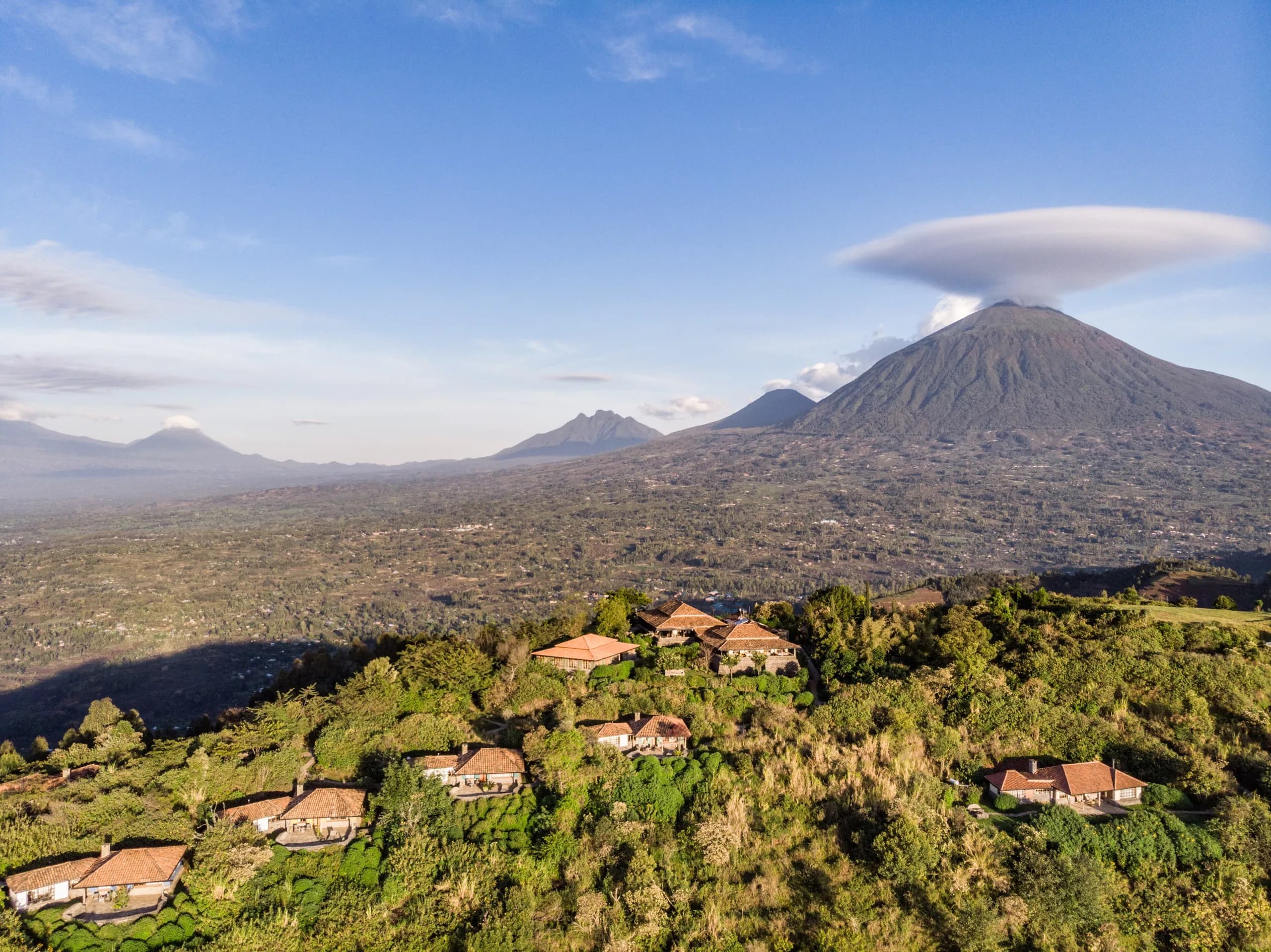
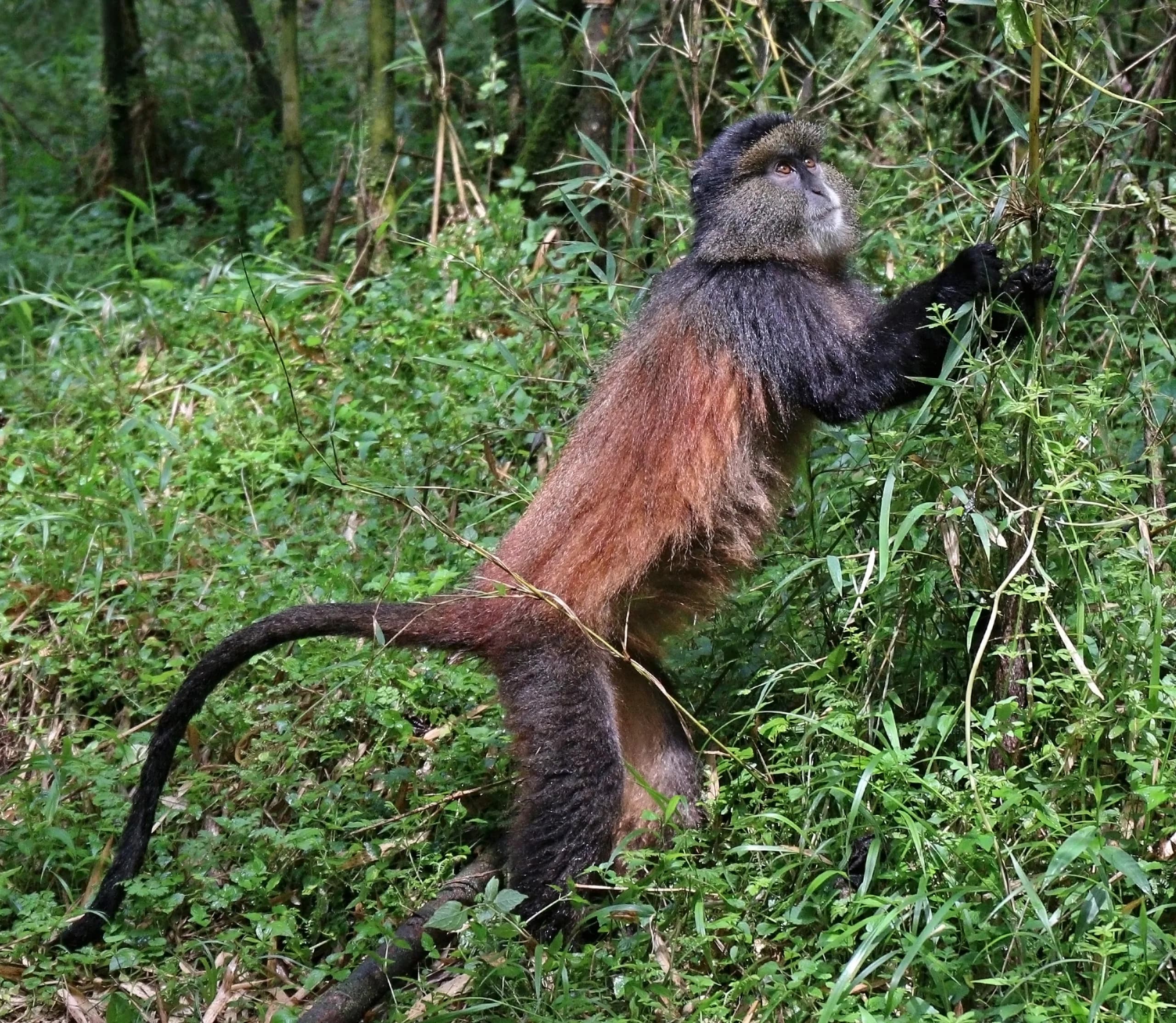
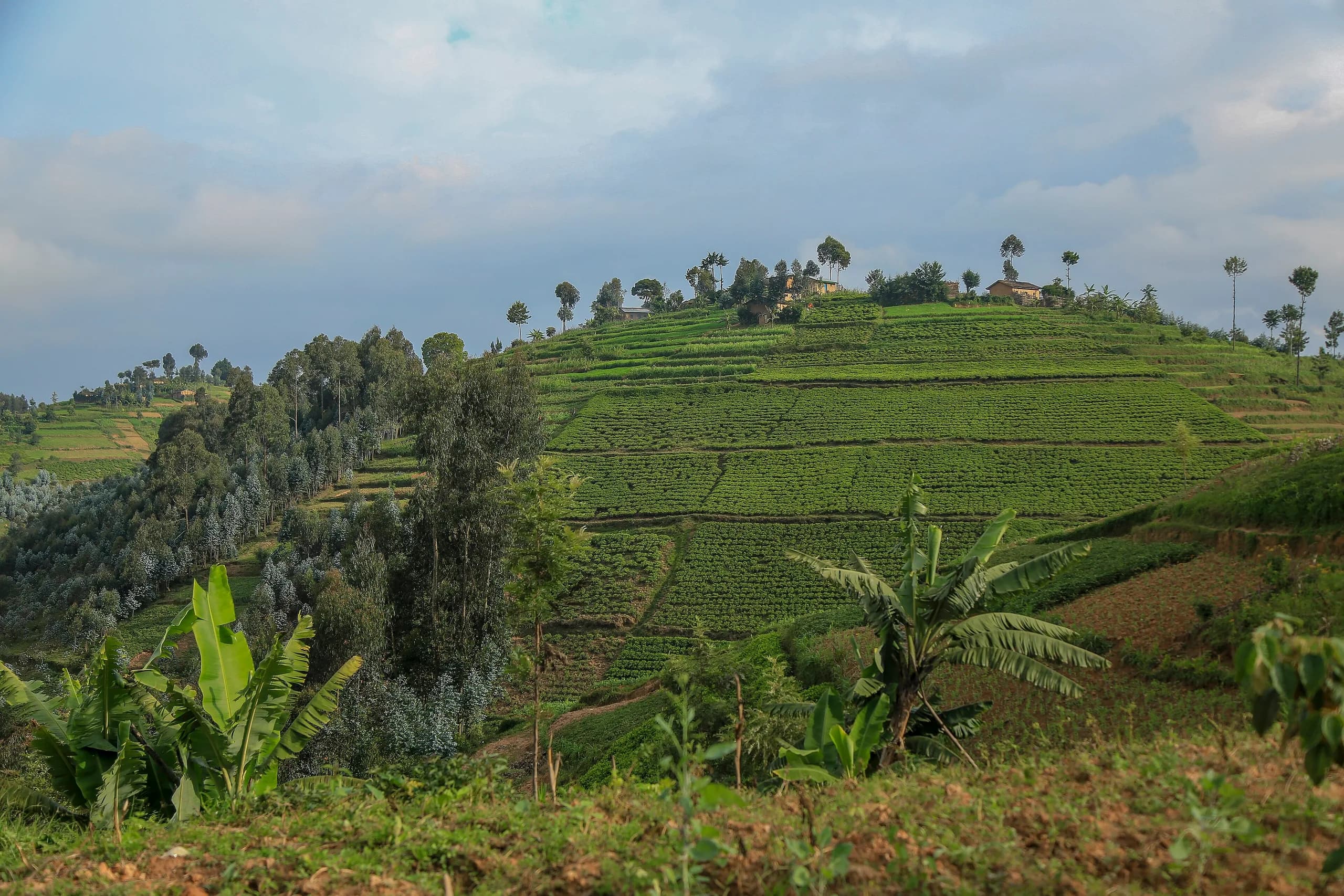
The properties we book here most often. Which one suits you depends on the season, the sector you are trekking and how much walking you want between your room and dinner.
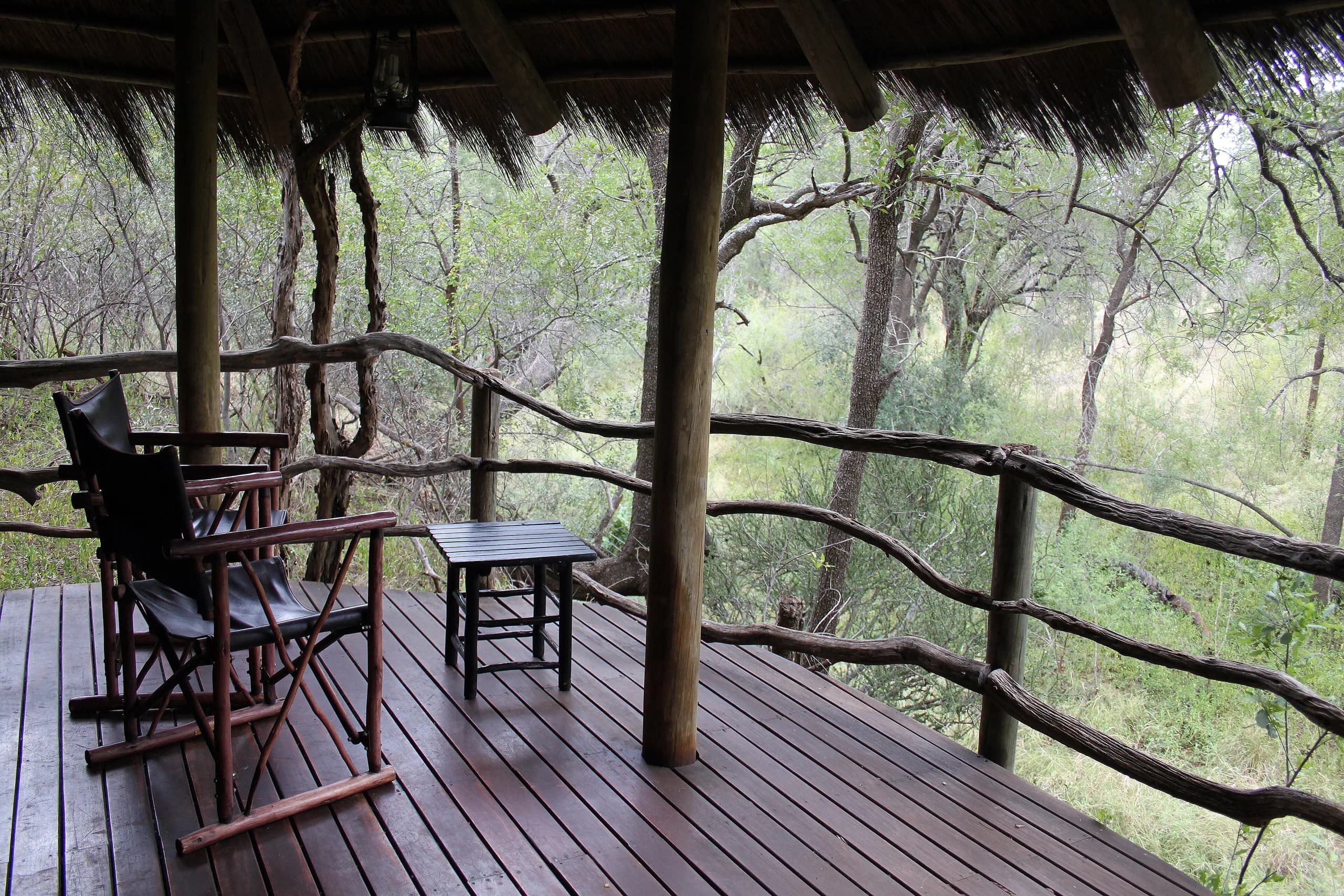
Luxury, 6 rooms
Six domed villas in an eroded volcanic cone facing Bisoke and Karisimbi, roughly half an hour from the Kinigi trekking headquarters. The reforestation project on the surrounding slopes is real and guests plant into it. It is the most architecturally distinctive lodge in Rwanda and priced accordingly. At about 2,600 metres the nights are cold and the first day can feel thin if you have flown in from sea level.
Heated forest villas with fireplaces, Reforestation and nursery visit, Full board dining and house drinks
We will say honestly what is available on your dates, what the permits cost and whether the season suits what you want to do in Volcanoes National Park.
