9 daysTanzania
9-Day Tanzania Northern Circuit
Baobabs and elephant at Tarangire, the crater floor at Ngorongoro, and three nights in the Serengeti
From$7,600 per person

Tanzania, national park
Fourteen thousand square kilometres of plain, and a migration that is moving every month
The Serengeti runs to roughly 14,750 square kilometres, and the most common planning mistake is to treat it as one destination. Where you should be in February is two hundred kilometres from where you should be in September, and a camp booked in the wrong region for your dates buys you an expensive week of empty grass. Choose the month first, then the region, then the camp.
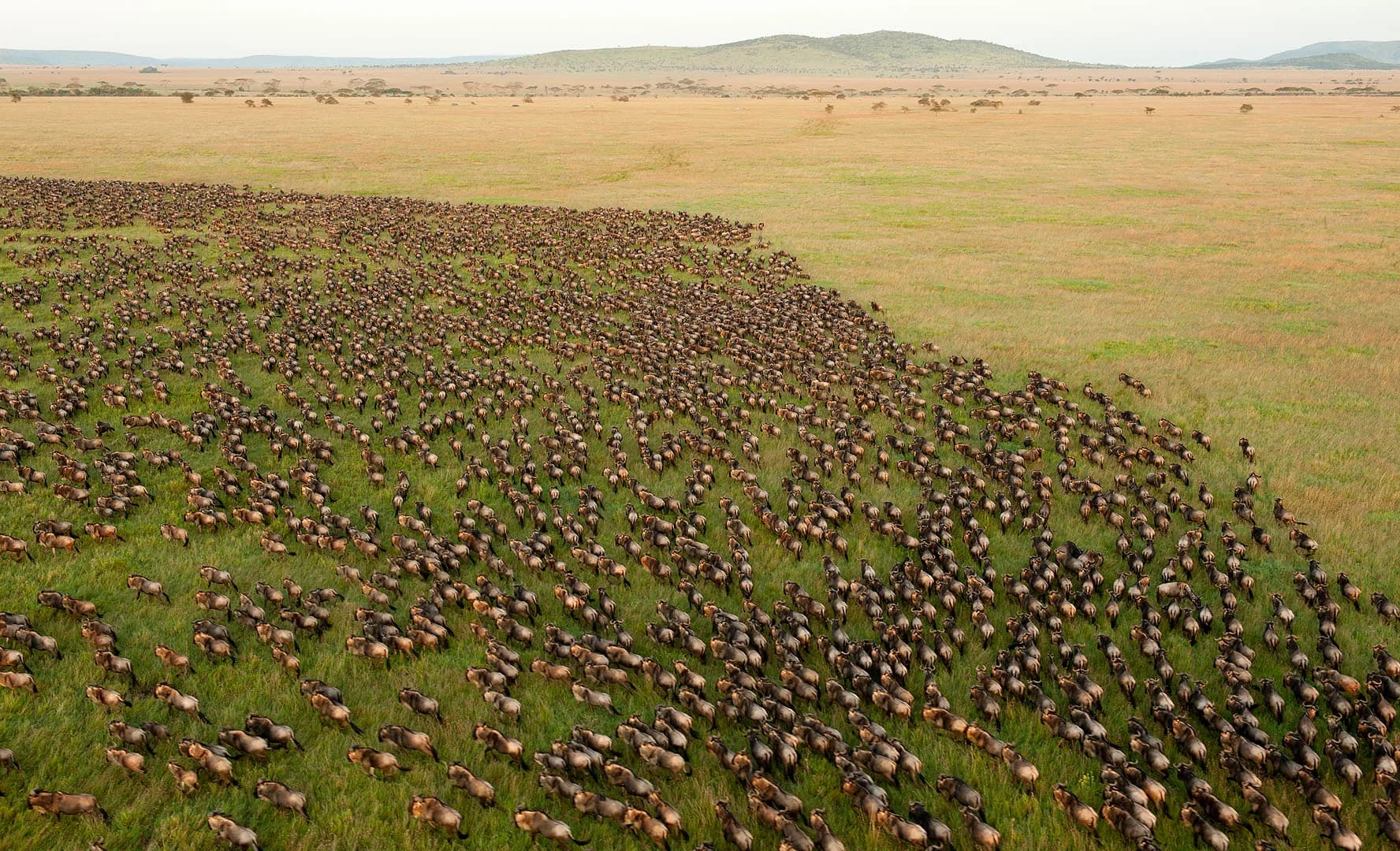
The migration is not an event with a date. Something over a million wildebeest and a few hundred thousand zebra move in a broad, weather-driven loop through the ecosystem, and they are somewhere inside it every day of the year. What changes is which part they are in and what they are doing: calving on the southern short grass in February, pushing west through May and June, crossing the Grumeti in June and July, crossing the Mara in the north from July to October, and drifting back south with the short rains from November.
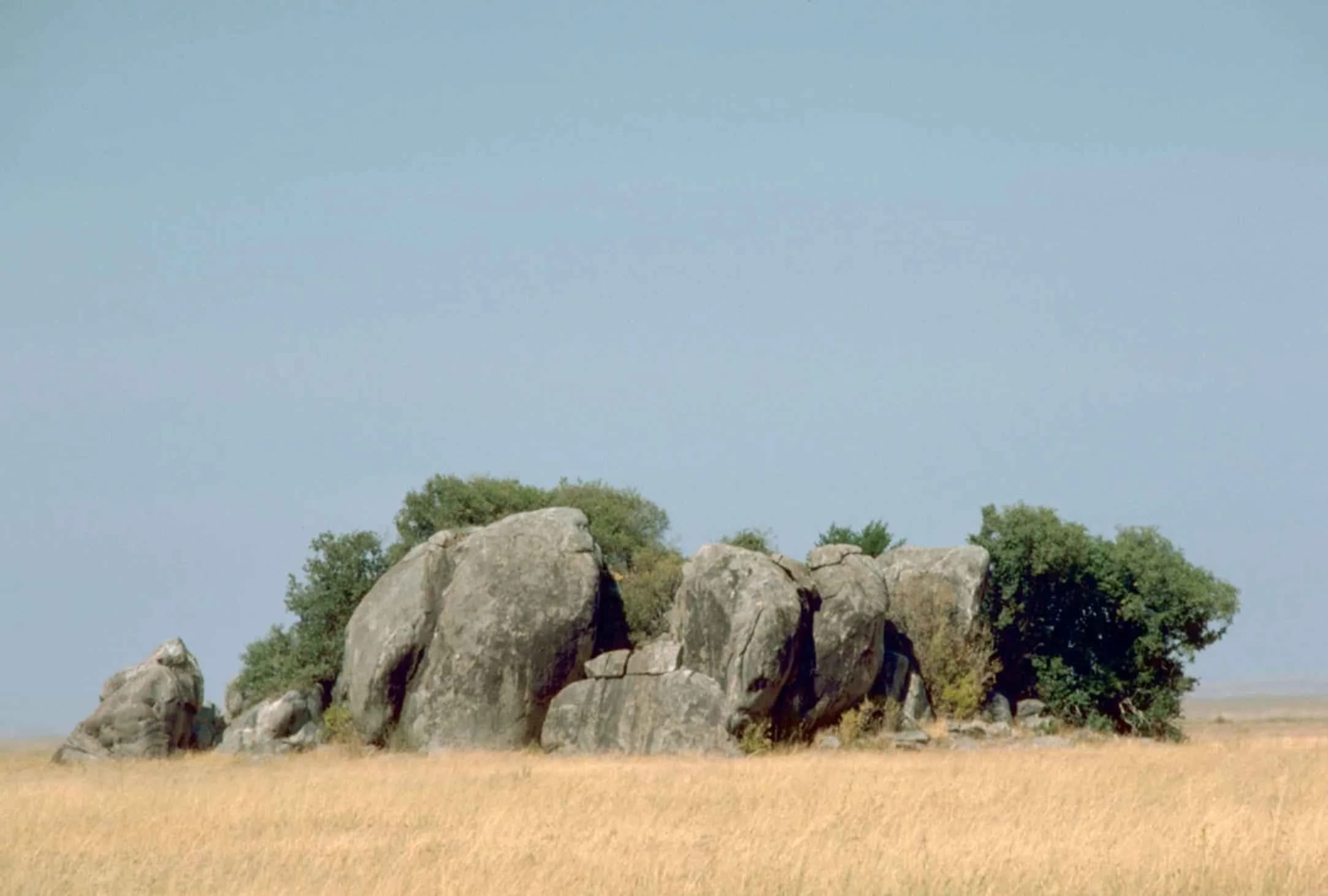
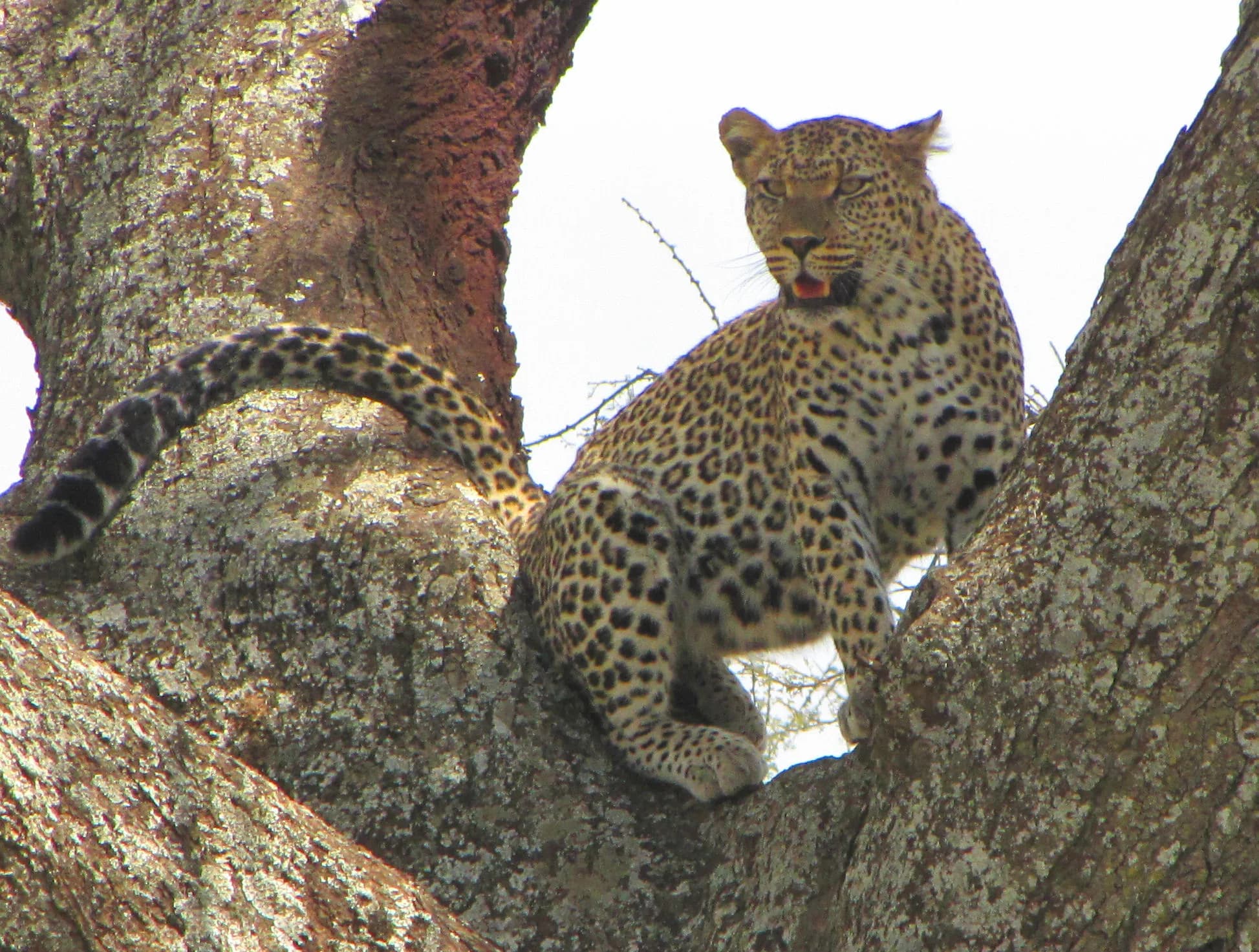
Away from the herds the Serengeti is a resident wildlife park in its own right. Seronera in the centre holds lion and leopard year round along the river and on the kopjes, the western corridor has resident giraffe and hippo, and the north around Kogatende is the quietest and most attractive country in the park even after the wildebeest have gone.
The southern short grass plains around Ndutu are where the calving happens in a narrow window in February, and where the predator concentration is at its highest. Note that Ndutu itself sits inside the Ngorongoro Conservation Area rather than the national park, which changes which fees you pay.
The western corridor follows the Grumeti river towards Lake Victoria and holds the herds through June and into July, with river crossings that are smaller than the Mara ones and much less crowded. Central Seronera is the year-round resident-game area and has the migration for only a narrow window as it passes through. The north, around Kogatende and the Lamai wedge, is where the Mara river crossings happen from July to October and is the most attractive part of the park in any month.
National park entry is set by the Tanzania National Parks Authority and runs at roughly 70 to 80 US dollars per adult non-resident per 24 hours, with value added tax normally applied on top. Camps built on concession land charge a separate concession fee per person per night, commonly in the region of 60 to 70 US dollars, and camping fees inside the park are charged again on their own scale. All of these figures are indicative and the authority revises them on its own schedule, usually with effect from the start of the financial year.
The 24-hour rule matters. The clock starts when you pass the gate, not when you go to bed, so an exit after that hour on your last day triggers another full day of park fees for everyone in the vehicle. Good guides plan the last morning around it. Ask yours what time you need to be out.
Central Serengeti in high season has the highest vehicle density in the park, and a leopard in a sausage tree near the Seronera river will collect a queue. The park is enormous and the crowding is concentrated in a small part of it, so the fix is straightforward: sleep in the north or in a mobile camp that follows the herds, be at the vehicle before first light rather than after breakfast, and ask your guide to work away from the radio rather than towards it. A good guide will happily do this. A tired one will drive you to whatever has just been called in.
Arusha to Seronera is about an hour in a light aircraft and Kogatende about an hour and a half, with scheduled services daily. By road, Arusha to Seronera is seven to nine hours through Ngorongoro and past Oldupai Gorge, which is a genuinely long day but is also how you see the rift escarpment and the crater on the way. Seronera to Kogatende by road is six to eight hours across the park, which is why the northern camps are almost always reached by air. The usual compromise is to drive in through the crater and fly out from the north.
The dawn balloon flight launches from Seronera, Ndutu and Kogatende depending on the season, runs about an hour in the air and finishes with breakfast on the plain. It is charged separately per person, generally somewhere in the region of 550 to 650 US dollars, and the price is set by the balloon operators. Walking safaris with an armed ranger are permitted in designated wilderness zones and need arranging in advance. Night drives are not allowed inside the national park at all, which regularly surprises travellers who have done them in Kenyan conservancies, and the only way to get one on this circuit is to add a private concession outside the park boundary.
Resident species, not a promise. Wildlife moves.
June to October is the long dry season and the most dependable game viewing anywhere on the circuit, with the herds in the western corridor early and in the north from July. December to March is the green season on the southern plains, when the wildebeest calve around Ndutu in a short window in February and the predator activity is at its most concentrated of the year. April and May are the long rains, when several camps close, the black cotton tracks turn and the rates fall a long way, and it is a good gamble for anyone who does not mind wet mornings. The one rule that survives every month is to pick the region for your dates rather than picking a camp you liked the look of and hoping the animals agree.
By air there are daily scheduled flights from Arusha and Kilimanjaro to Seronera in about an hour, and to Kogatende, Lamai, Grumeti, Ndutu and Kusini on similar timings, with most routes calling at two or three strips on the way. By road from Arusha it is seven to nine hours to Seronera via Makuyuni, the rift escarpment, the Ngorongoro rim and Oldupai Gorge, which is the standard northern circuit drive and takes in Tarangire and the crater on the way. Crossing to the Masai Mara, the Isebania border is slow and the sensible route is to fly Kogatende to a Mara strip. Whatever the route, the vehicle needs to be a proper 4x4 with a roof hatch, and a driver guide who knows the park is worth more here than the specification of the car.

The properties we book here most often. Which one suits you depends on the season, the sector you are trekking and how much walking you want between your room and dinner.
Luxury, 77 rooms
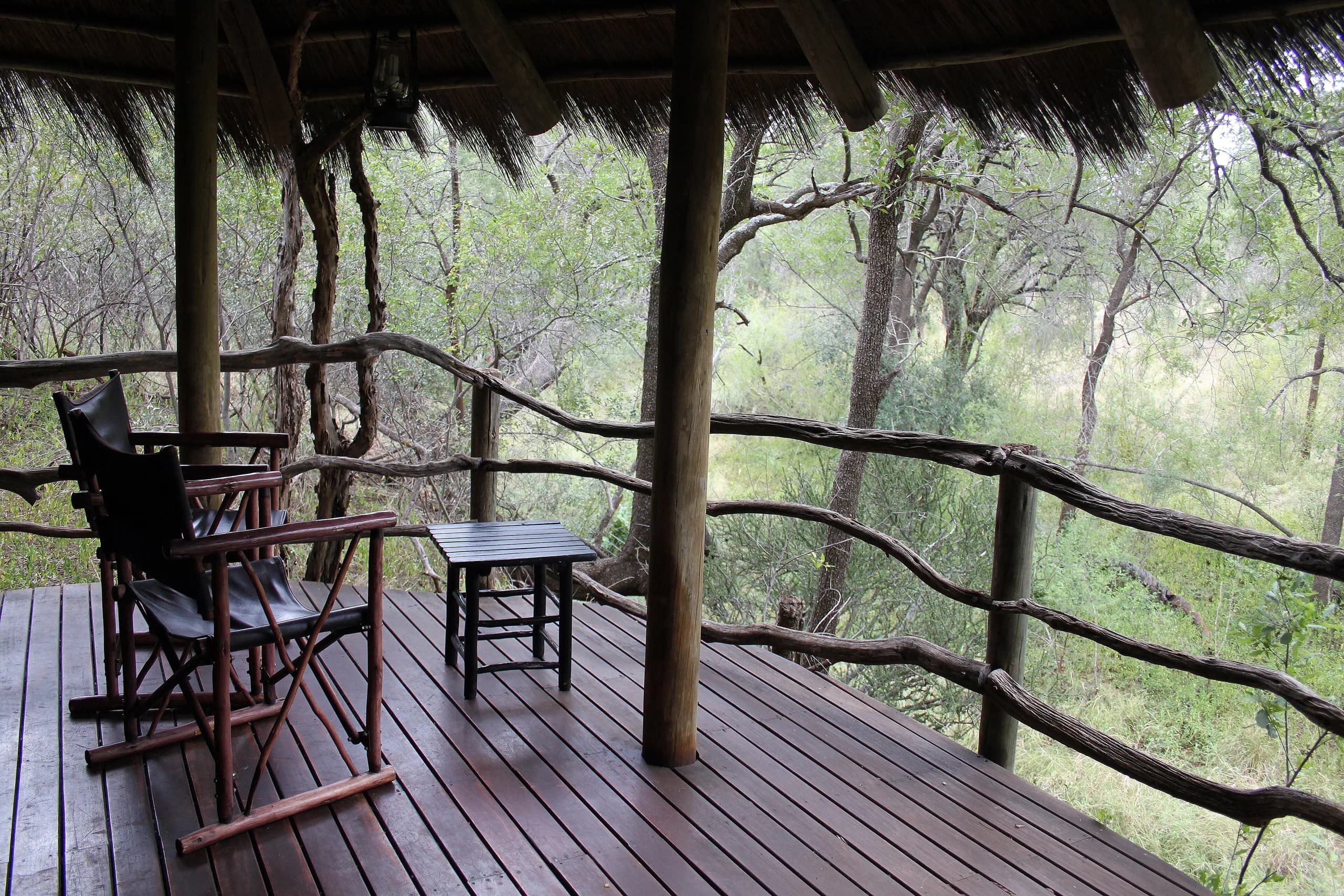
A full-service hotel inside the central Serengeti, built around a waterhole that elephant use through the day. It is the right answer for travellers who want a pool, a spa, reliable wi-fi and children’s facilities in the middle of a national park, and the wrong answer for anyone wanting a small camp under canvas. Central Seronera puts you near resident lion and leopard year round, but the migration herds are only here in a narrow window.
Infinity pool over an elephant waterhole, Spa and fitness centre, Kids for All Seasons programme
We will say honestly what is available on your dates, what the permits cost and whether the season suits what you want to do in Serengeti National Park.