10 daysUganda
10-Day Uganda Grand Circuit
Rhino on foot at Ziwa, the Nile at Murchison, chimps at Kibale, the Kazinga Channel and gorillas in Bwindi
From$7,200 per person
9 days, Tanzania
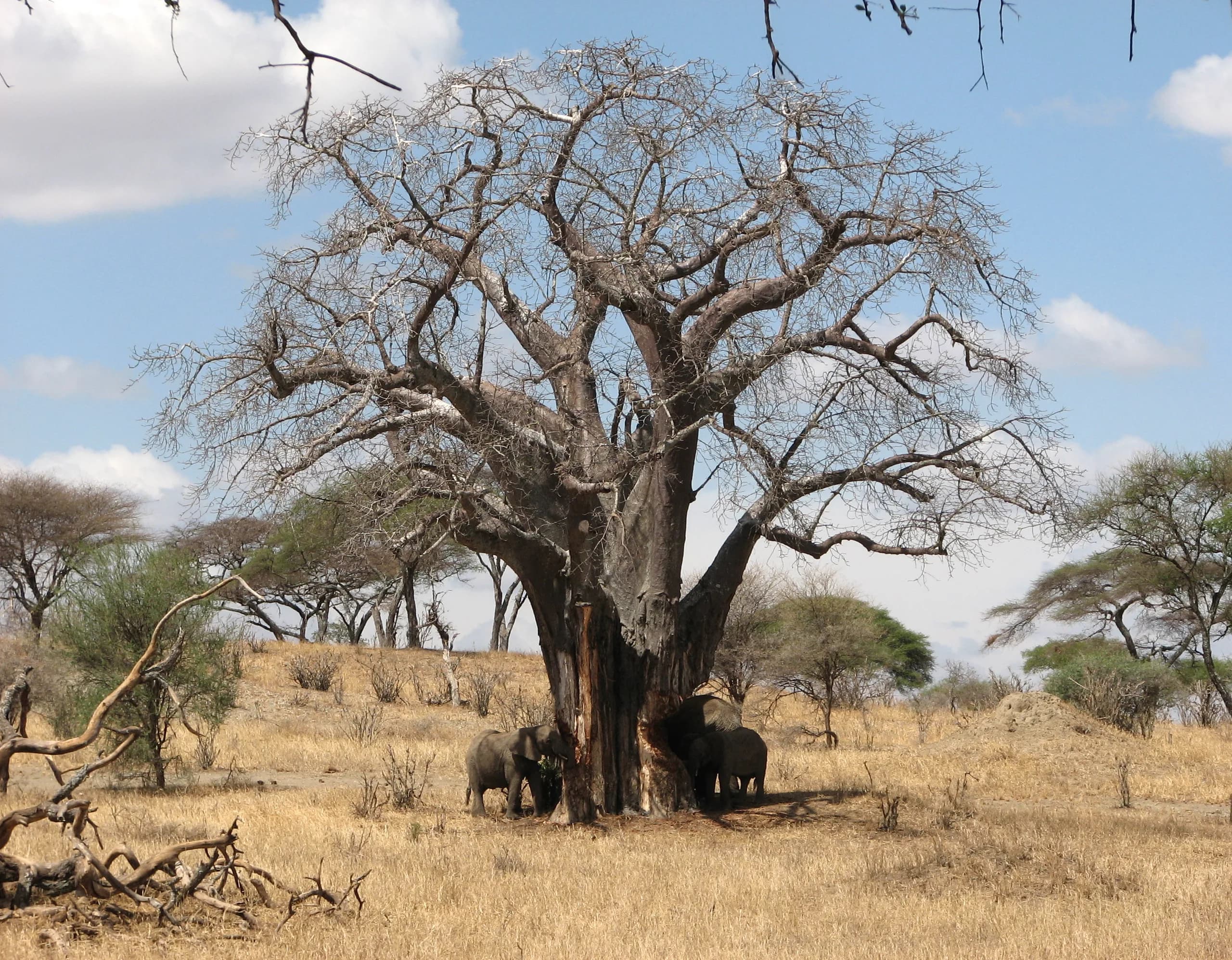
Baobabs and elephant at Tarangire, the crater floor at Ngorongoro, and three nights in the Serengeti
Full days in a vehicle plus walks of one to three hours over uneven ground.
Per person sharing
The northern circuit is driven, not flown, and that is the point. From Arusha the road climbs through Mto wa Mbu and up the rift escarpment to the Ngorongoro highlands, then out across the short grass plains to the Serengeti, and you watch one landscape turn into the next instead of stepping out of an aircraft into it. We drive in and fly out, which gives you the geography without the nine hour return leg.
Tarangire first, because the elephant density along the river in the dry months is as good as anywhere in Tanzania and almost nobody gives it more than a night. Then two nights high on the flank of Olmoti above the Ngorongoro crater, away from the cluster of large hotels on the rim road, with one full day on the crater floor. Then three nights in the central Serengeti at Seronera, which holds resident lion and leopard year round and is the most dependable big cat ground in East Africa regardless of where the migration happens to be.
Rated moderate rather than easy for two honest reasons. The driving days are real: Tarangire to the highlands is around three and a half hours, and the highlands to Seronera is four to five on corrugated gravel through the Ngorongoro Conservation Area. And the rim sits at about 2,300 metres with the lodge higher still, so the nights are properly cold and the first day can feel thin if you have come straight off a long-haul flight.
Kilimanjaro International sits between Arusha and Moshi and the transfer west takes about forty-five minutes on tarmac. Most long-haul flights land in the evening, so the first night does nothing except get you horizontal at 1,400 metres. Your driver guide comes to the lodge before dinner to run through the route, the vehicle and the days.
Two and a half hours south-west on tarmac, through Makuyuni and past the turning for Lake Manyara. Tarangire announces itself with baobabs, which grow here in a density you do not see again on this circuit. The afternoon game drive follows the river, where in the dry months the elephant come down in family groups and stay, and where the lion follow them. You climb up to the escarpment camp for sunset.
A full day lets you get south to the Silale swamp, which is two hours inside the park and is where almost nobody on a one-night stop ever reaches. The swamp edge holds buffalo herds, elephant and the tree-climbing lions that Tarangire quietly also has. Look for the fringe-eared oryx and the gerenuk, both dry-country antelope that are on this circuit and nowhere else on it.
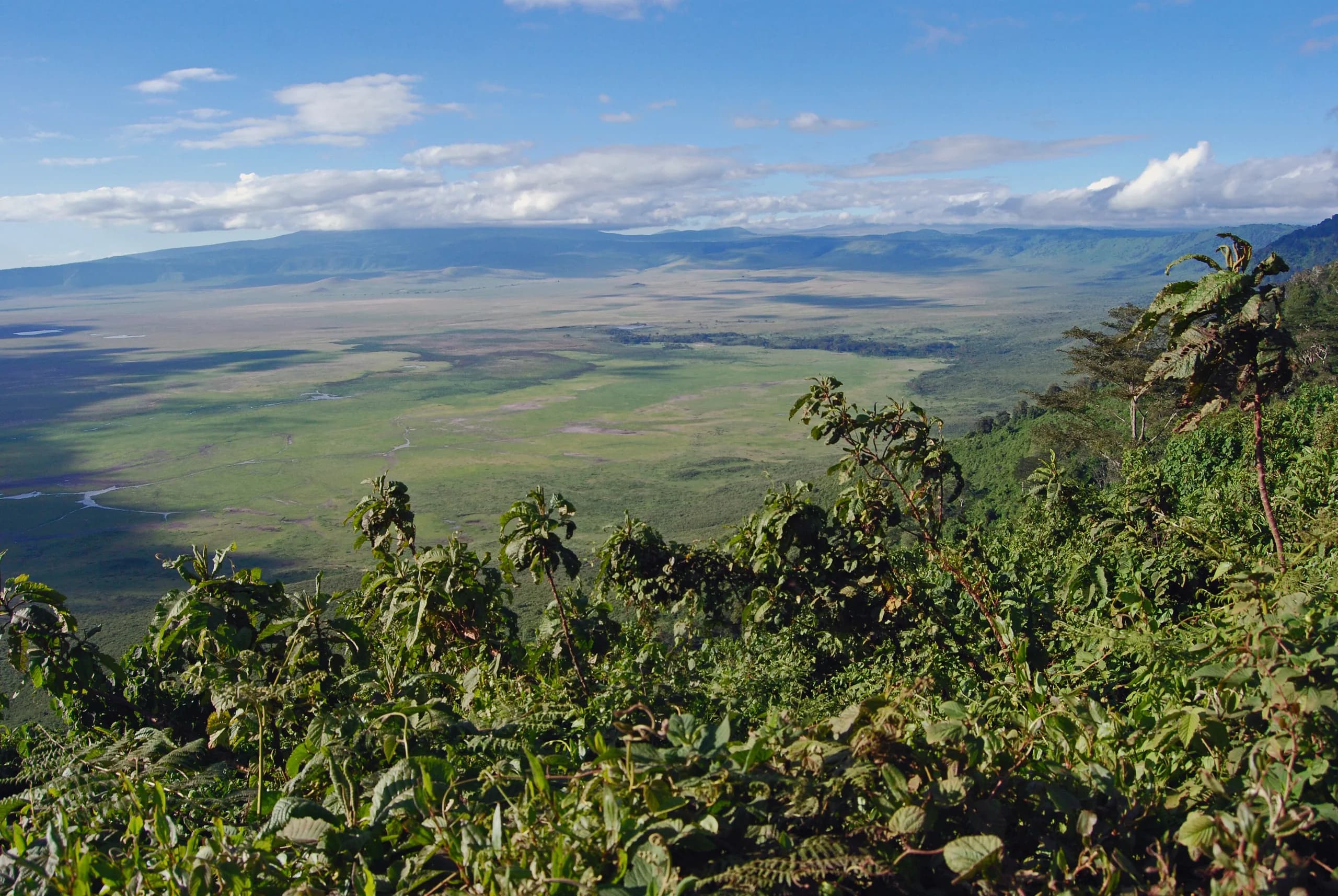
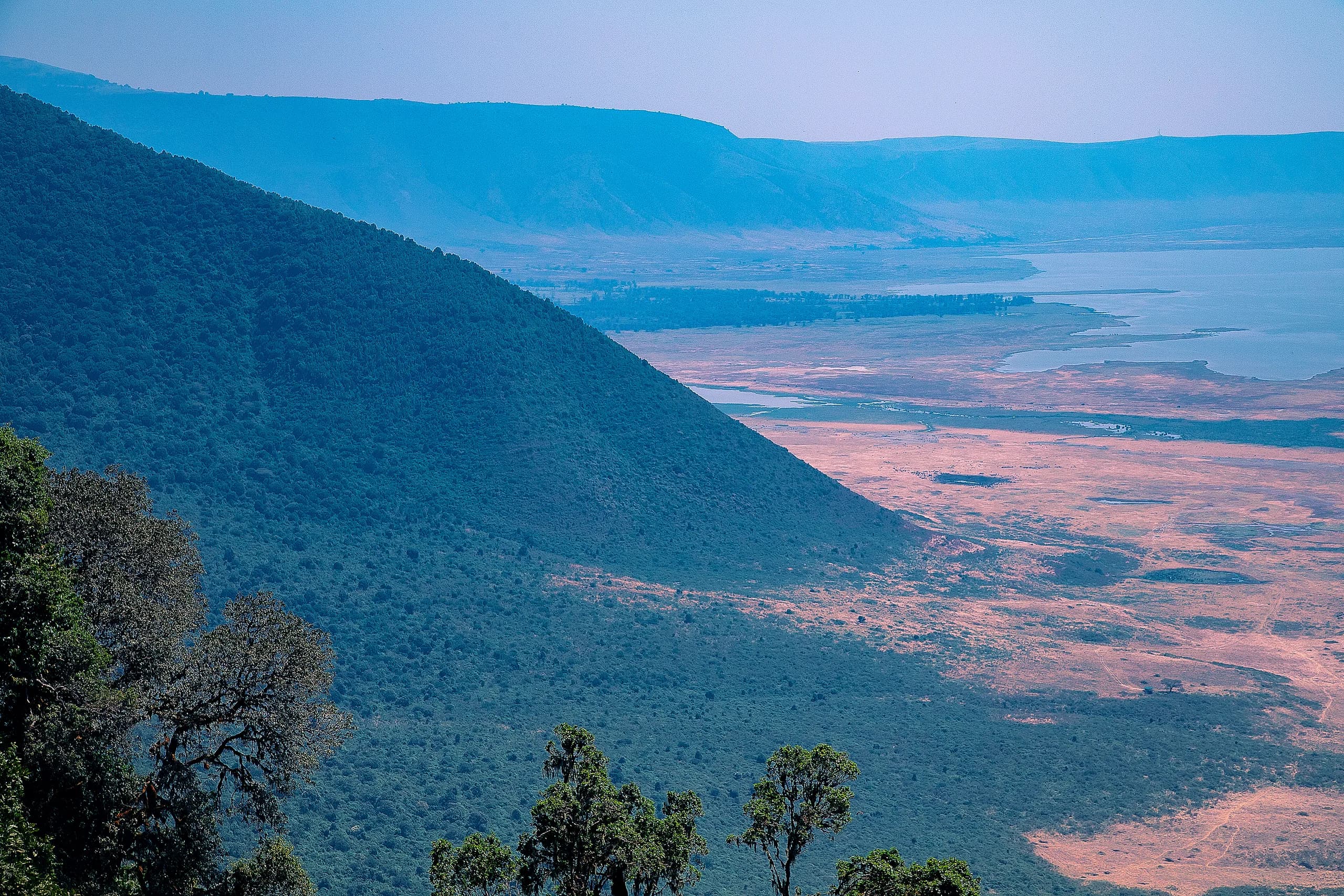
North-west through Mto wa Mbu, a market town at the foot of the escarpment where a great many languages are spoken and where the banana beer is worth stopping for, then up the wall of the rift with Lake Manyara laid out below you. The road climbs into cloud forest and out onto the crater rim at around 2,300 metres. The camp is on the flank of Olmoti, north of the rim road and away from the big hotels, and there is time for a walk on the ridge before the temperature drops.
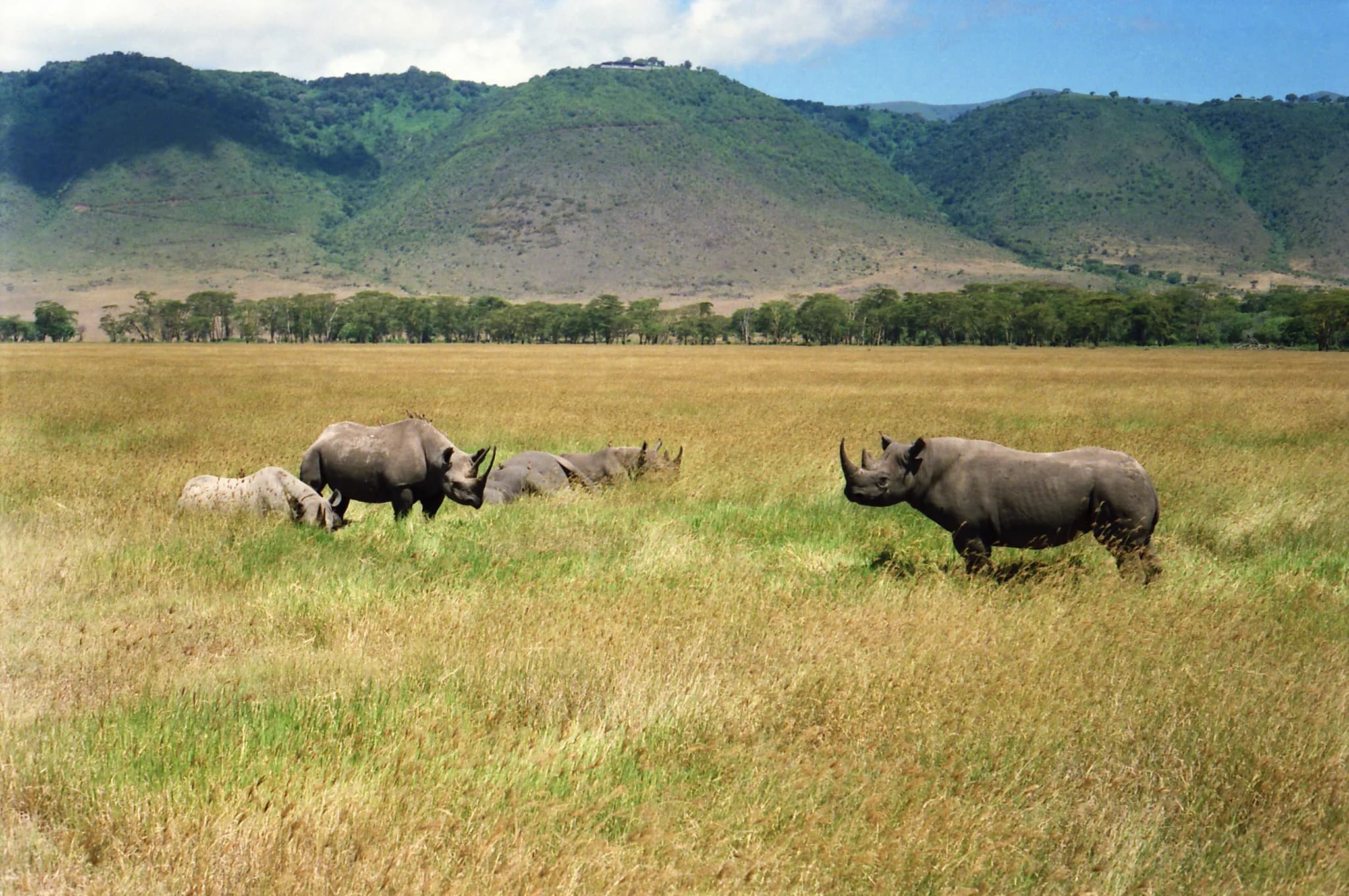
An early start, because the camp is about an hour from the descent gate and the floor is best in the first three hours. The caldera runs to roughly 260 square kilometres inside walls six hundred metres high, and it holds a resident population that does not leave, which is why the density is what it is. Black rhino are here in small numbers and this is one of the few places in East Africa where a sighting is a fair bet rather than a fluke. Lunch is a picnic at the Ngoitokitok springs, and you climb back out mid afternoon.
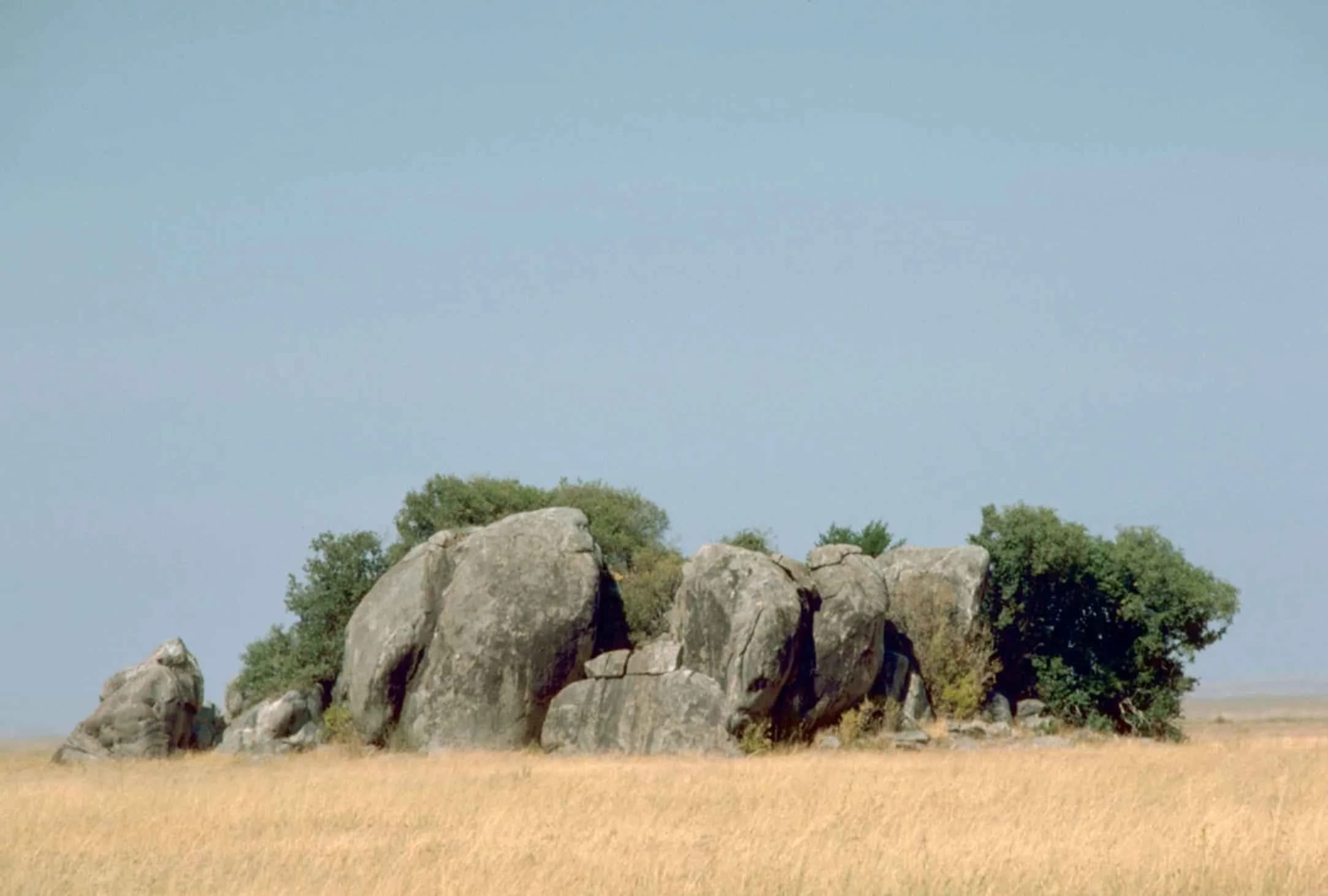
Four to five hours west on corrugated gravel through the Ngorongoro Conservation Area, past the Olduvai Gorge turning and out onto the short grass plains, where the horizon goes flat and stays flat for an hour. Naabi Hill Gate is where the Serengeti formally starts and where you climb the kopje for the view while the paperwork is done. The afternoon game drive works the Seronera valley, which is leopard country because of the sausage trees along the watercourse.
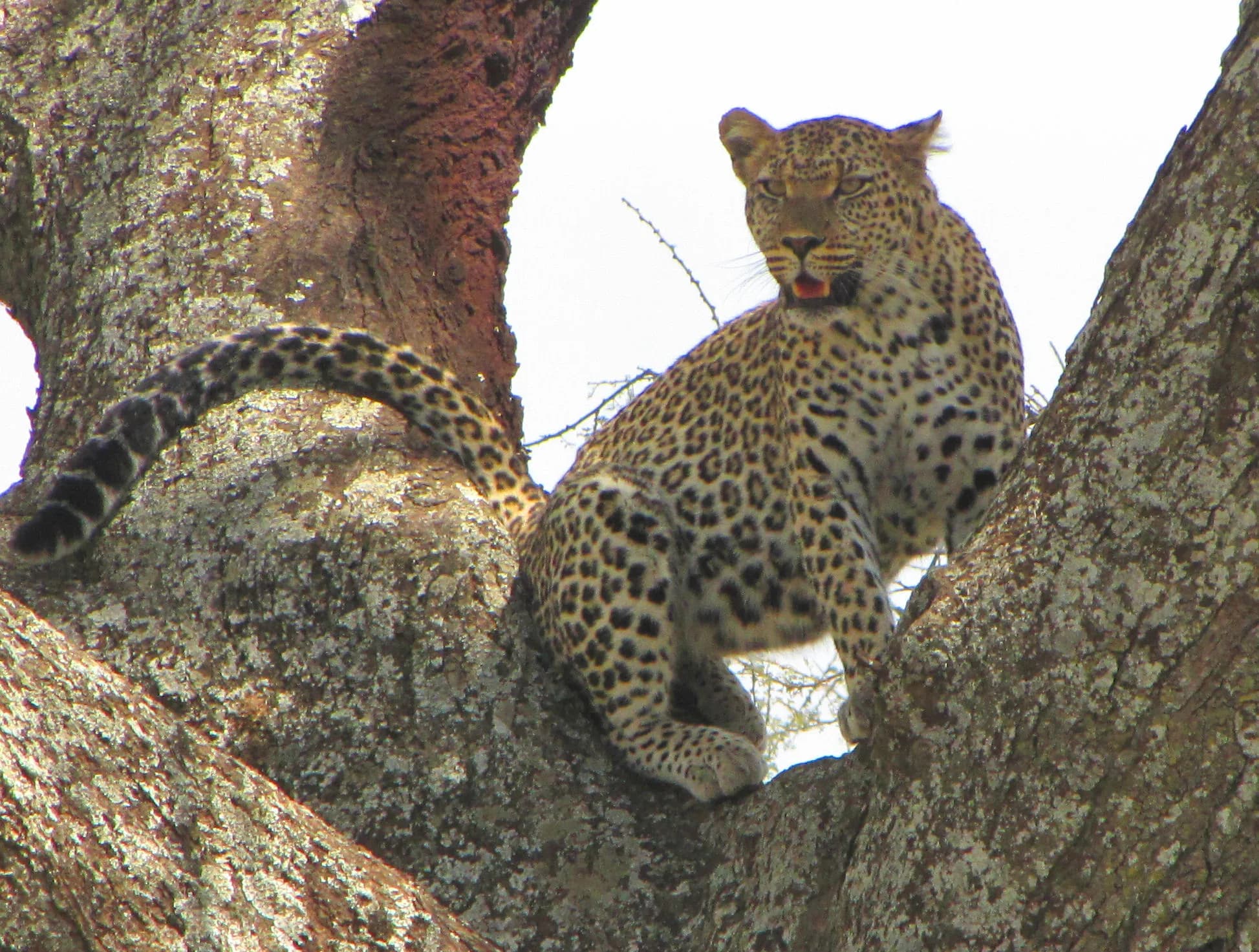
Seronera holds resident lion prides and one of the highest leopard densities in Africa, and unlike the migration these animals are here in every month. A full day with a packed lunch lets you sit with a sighting instead of leaving it to get back for a meal. Cheetah work the open ground east of the valley in the mornings. If you want the balloon, this is the morning it flies.
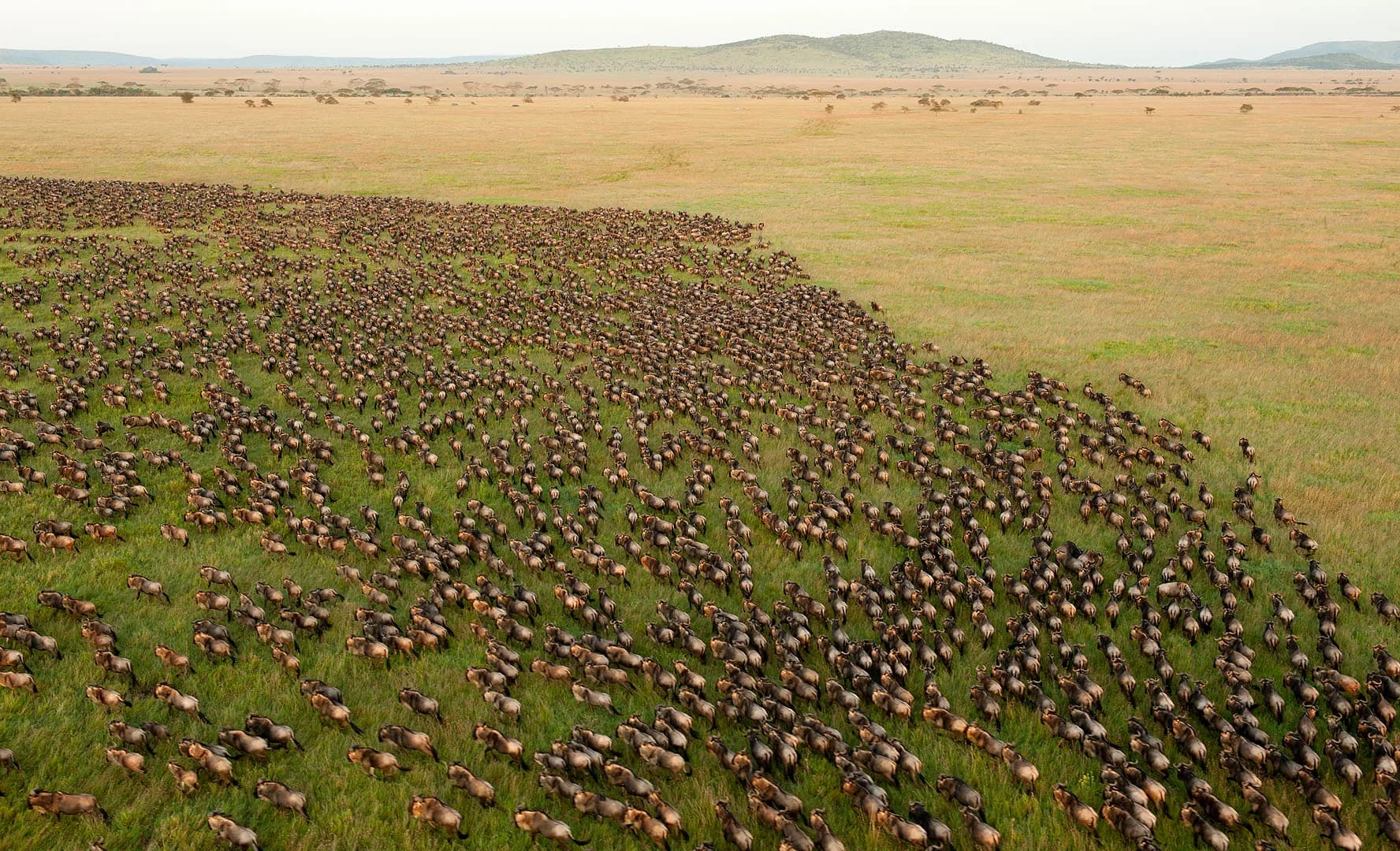
South-west to the Moru kopjes, granite outcrops standing out of the grass that hold their own lion pride, a rhino population under heavy protection, and Maasai rock paintings on an overhang along with the gong rock that rings when you strike it. It is a long loop and it takes the day. Between December and March the plains out here carry the migration herds; the rest of the year they carry resident plains game and the predators that live off them.
An early circuit of the valley while the light is still low, then breakfast and the short run to Seronera airstrip. The flight to Arusha or Kilimanjaro takes a little over an hour, often with a stop at another strip on the way. Flying this leg saves you the nine hour return drive, which is exactly the day nobody wants at the end of a circuit.