14 daysKenya and Tanzania
14-Day Kenya and Tanzania Migration
The Mara river from both banks, the northern Serengeti, Seronera and the Ngorongoro crater floor
From$12,800 per person

Kenya, national reserve
The northern end of the Serengeti ecosystem, and the river crossings from July to October
The Masai Mara is the Kenyan end of a single ecosystem that runs south into the Serengeti, and the international border is a line on a map rather than anything the animals recognise. The reserve itself covers around 1,500 square kilometres of open grassland cut by the Mara and Talek rivers, and it holds the highest density of large predators in Kenya. If you want lion, cheetah and leopard in one place with a reasonable chance of all three, this is where you go.
From roughly July to October the wildebeest herds are north of the Mara river and the crossings happen. They run to no schedule. Herds gather at a known crossing point, mill about for hours, and then either go or turn around and graze. Four nights gives you a realistic chance of seeing one. Two nights frequently gives you none, and any operator promising otherwise is selling you weather.
The thing to understand before booking is that the Mara is not one place. The national reserve is administered by Narok County. The Mara Triangle, the western third across the river, is managed separately by the Mara Conservancy. And a ring of private conservancies leased from Maasai landowners wraps the northern and eastern boundary, with their own rules, their own fees and a fraction of the vehicles. Which one you sleep in decides what your safari actually feels like.
The national reserve is entered at Sekenani, Talek, Musiara, Sand River or Oloololo gate and is the busiest land. Off-road driving is officially not allowed there and enforcement is uneven, so at a good cat sighting in August you can find yourself one of twenty vehicles.
The Mara Triangle, west of the river and reached over the Mara bridge or through Oloololo gate, is run by the Mara Conservancy on behalf of the county. Off-road driving is banned and the ban is enforced, the number of vehicles at a sighting is capped, and the difference in how the cats behave is obvious within a morning.
The conservancies, among them Mara North, Olare Motorogi, Naboisho, Ol Kinyei and Lemek, are private land leased from the Maasai families who own it. They cap the number of beds per acre, which is why you see so few other cars, and they permit walking safaris and night drives, which the reserve does not. Conservancy guests can drive into the reserve for the day by paying reserve entry. Reserve guests cannot drive into the conservancies.
Reserve entry for a foreign non-resident runs at roughly 200 US dollars per person per 24 hours in the high season, with a lower rate in the quiet months. Narok County sets it, has revised it upward more than once in recent years, and can do so again, so treat the number as indicative and confirm it at the time of booking.
The detail that catches people is that it is charged per 24 hours from the moment you enter, not per night. Leave the reserve at midday on your last day and you have started a new 24-hour period. Camps inside the reserve plan around this and it is worth asking how yours handles it.
Conservancies charge a separate conservation fee per person per night, typically somewhere in the region of 100 to 150 US dollars, almost always folded into the camp rate rather than paid at a gate. That fee is the lease payment to the landowners and it is the mechanism that keeps the land open rather than fenced and farmed. If you stay in a conservancy and drive into the reserve for a day, you pay both on that day.
Crossing points on the Mara river are known and the herds use them repeatedly, but there is no timetable and no reliable warning. A crossing can last four minutes or two hours. Guides position at a likely point and wait, sometimes for most of a day, and the discipline of waiting is what separates a good guide from a busy one. Come in August or September, give it four nights minimum, and accept that the game viewing on the days without a crossing is still the best in Kenya.
The dawn balloon flight launches around first light from several points in and beside the reserve, runs roughly an hour in the air and finishes with breakfast on the ground. It is charged separately per person, usually somewhere in the region of 450 to 550 US dollars, and the price is set by the balloon operators rather than by any authority. Walking with an armed guide and a Maasai tracker, and night drives with a spotlight, are conservancy activities only. If either matters to you, do not book a camp inside the reserve.
Flying is the sensible default. Wilson Airport in Nairobi to the Mara airstrips takes about forty-five minutes, with scheduled departures each morning and afternoon to Keekorok, Ol Kiombo, Musiara, Mara Serena, Mara North and several conservancy strips. Choose the strip nearest your camp rather than the cheapest ticket, because a bad match adds an hour of driving at each end. By road it is five to six hours from Nairobi via Narok to Sekenani, mostly tarmac now, with the last stretch depending on which gate you use. The Oloololo side for the Triangle is a longer and rougher drive, and the direct route to it passes through the reserve, so gate fees apply on the way.
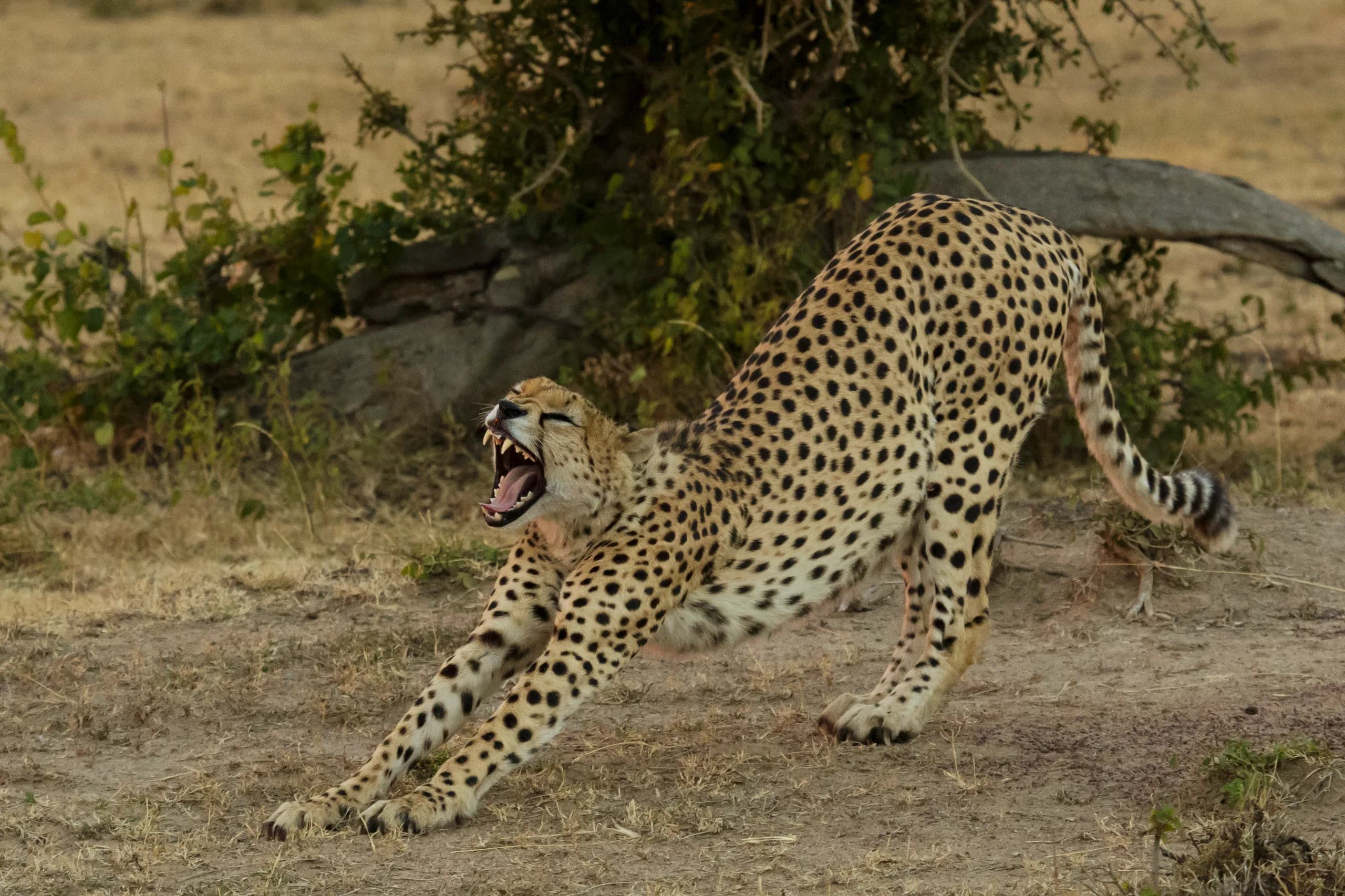
Resident species, not a promise. Wildlife moves.
July to October is the migration window, the busiest period and the most expensive. January to March is drier, far quieter, and arguably the better time for cats, because the resident prides stay put, the grass is short and the light is clean. April, May and November are the two rainy seasons: rates fall a long way, the grass grows long, some conservancy tracks close and the game viewing takes more work. December is green and pleasant and fills up over the holidays. The short version is that if crossings are the point of the trip you come in August or September and stay four nights, and if space and predators matter more than the herds you come in February.
By air, Wilson Airport in Nairobi to any of the Mara airstrips takes about forty-five minutes on the scheduled morning and afternoon services, and the transfer from the strip to camp is fifteen to sixty minutes depending on the match. Some flights route through two or three strips before yours, so the block time can exceed the flying time. By road it is five to six hours from Nairobi through Narok, largely on tarmac, with the final approach to Sekenani or Talek gate the roughest part. Coming from Amboseli, the drive is a long and uninteresting day and almost everyone connects by air through Wilson instead. Coming from the Serengeti, the Isebania and Sirari border crossing is possible but slow, and the standard answer is to fly Kogatende to the Mara or to route through Nairobi.


The properties we book here most often. Which one suits you depends on the season, the sector you are trekking and how much walking you want between your room and dinner.
Luxury, 30 rooms
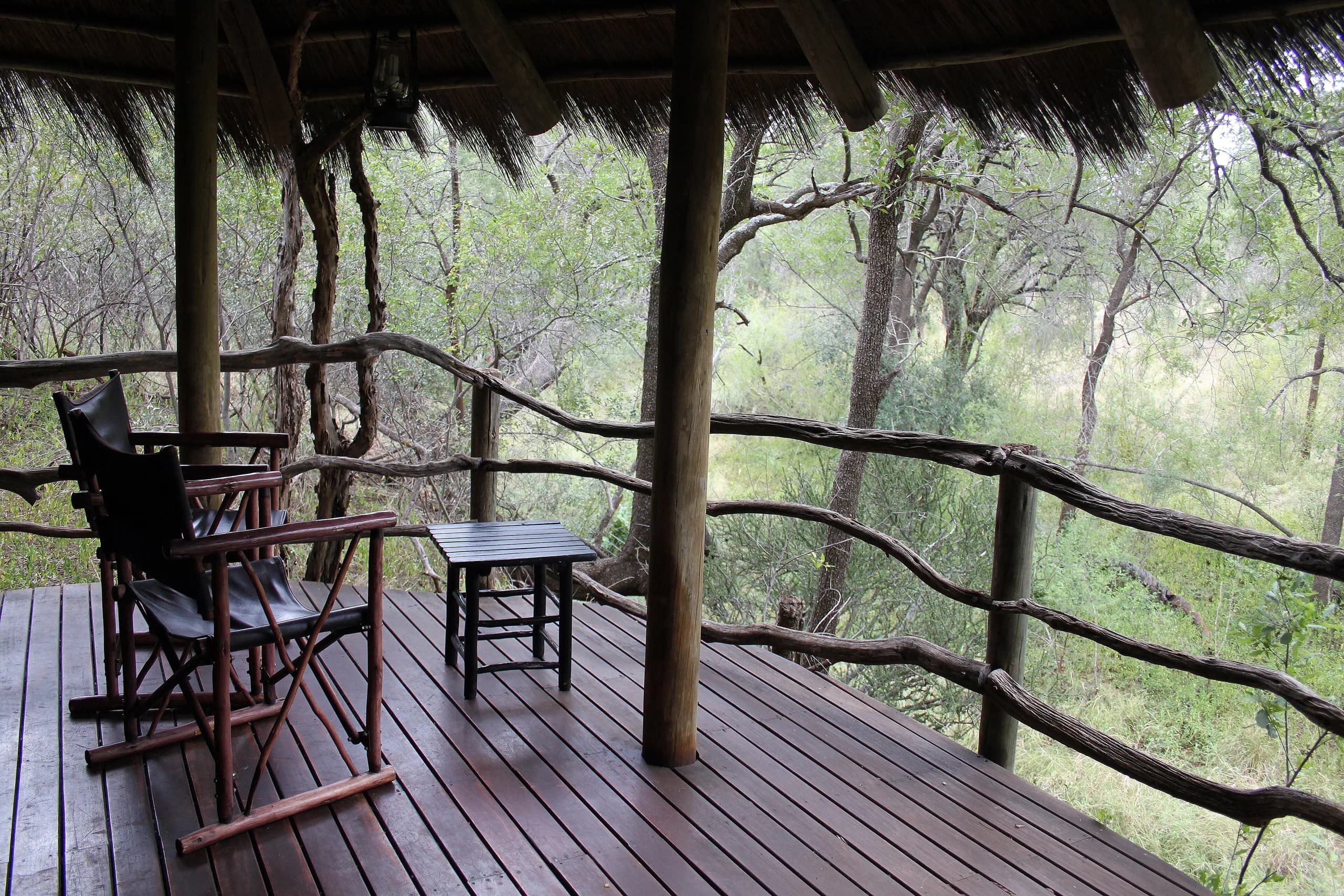
Two camps of fifteen tented suites each, suspended on the Oloololo escarpment about three hundred metres above the Mara triangle. The view is the point, and it is the single most photographed outlook in Kenya. Being on the escarpment means a descent of twenty to thirty minutes to reach the plains, so game drives start earlier than at a valley-floor camp.
Floor-to-ceiling glass tented suites, Photographic studio with lens hire, Picnics on the Out of Africa site
We will say honestly what is available on your dates, what the permits cost and whether the season suits what you want to do in Masai Mara National Reserve.