
9 daysTanzania
9-Day Tanzania Northern Circuit
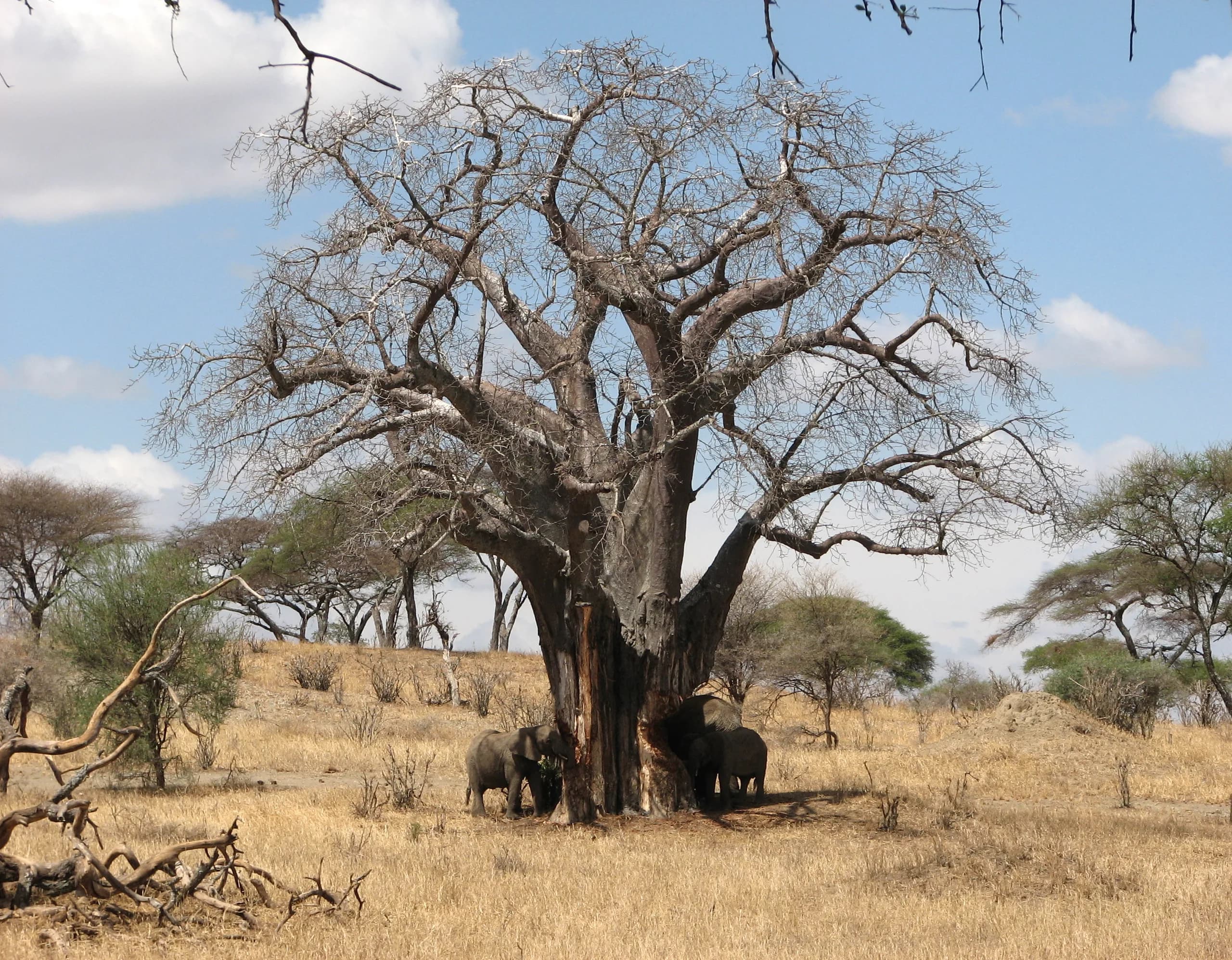
Baobabs and elephant at Tarangire, the crater floor at Ngorongoro, and three nights in the Serengeti
From$7,600 per person
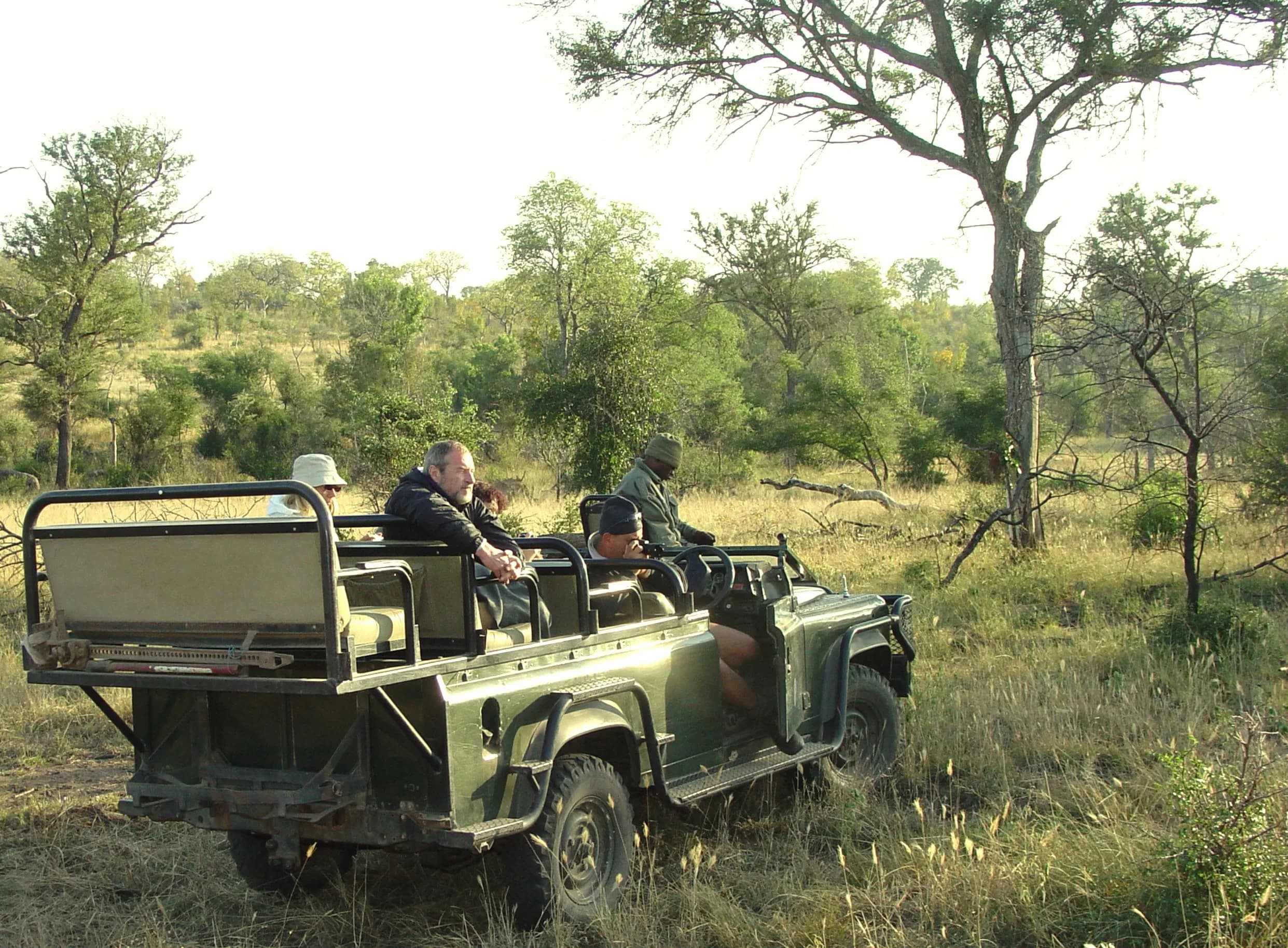
Built around the real attention span of the youngest person in the vehicle
A family safari works or fails on pacing. Adults will happily sit in a vehicle for eleven hours; a seven-year-old will not, and a schedule that ignores that produces a miserable holiday for everyone. So we build family trips with shorter drives, longer stays in each place, a pool most afternoons, and activities that involve getting out of the car.
The hard constraint to know early is the gorilla age limit. It is 15 in both Uganda and Rwanda, it is checked against passports, and there are no exceptions. Families with younger children build the trip around savannah parks, chimpanzees in Kibale where the limit is 12, and the coast.
Most good lodges are genuinely equipped for children. Family tents, interconnecting rooms, early suppers, and guides who are far better at holding a child’s interest than the average adult expects.
| Activity | Minimum age | Set by |
|---|---|---|
| Gorilla trekking, Uganda | 15 | Uganda Wildlife Authority |
| Gorilla trekking, Rwanda | 15 | Rwanda Development Board |
| Chimpanzee tracking, Uganda | 12 | Uganda Wildlife Authority |
| Chimpanzee tracking, Rwanda | 15 | Rwanda Development Board |
| Game drives | None | Lodge policy applies instead |
| Walking safaris and night drives | Usually 12 to 16 | Individual lodge or conservancy |
| Hot air balloon, Mara and Serengeti | Usually 7, and a height minimum | Individual operator |
Under five is possible but rarely worth the money: the malaria precautions are more restrictive, the drives are long and very little of it is remembered. From about six the game drives land properly, particularly with a guide who turns tracks and dung into a puzzle. From twelve almost everything opens up except the gorillas. At fifteen the whole region is available and a first gorilla trek at that age tends to be the thing they talk about for years.
Take antimalarials, and take the paediatric dose calculated by weight rather than age by a travel clinic. Cover up at dusk. Bring a thermometer and rehydration salts. Most good lodges have a nurse on call or a clinic arrangement, and every vehicle we run carries a first aid kit and a guide trained to use it.
Lodges in unfenced camps have rules about children being escorted after dark, and those rules exist because hippo and buffalo walk through camp at night. Follow them exactly.
Kenya, for the combination of the Mara conservancies, Amboseli and a short flight to the coast. Tanzania, for the Serengeti and Ngorongoro with a Zanzibar week on the end. Uganda, for Queen Elizabeth and Murchison Falls with the Ziwa rhino walk on the way, which is the one activity every child on that route remembers.
Each of these already includes it. Any of them can be reshaped around your dates.
Tell us your dates and we will come back with an itinerary, the lodges we would use and a price that holds.

