

6 daysTanzania
6-Day Zanzibar Beach Extension
A night in Stone Town, then four on the north-east coast within reach of the Mnemba reef
From$1,900 per person
Tanzania, island
Stone Town, the reef at Mnemba, and a coast where the tide decides the day
Zanzibar is the obvious place to finish a safari and it is a great deal more interesting than the beach photographs suggest. Unguja, the main island, runs about 85 kilometres north to south, sits some 35 kilometres off the Tanzanian mainland, and has been an Omani capital, the centre of the East African slave trade and, for a long period, the largest clove producer in the world. Stone Town carries all of that in its architecture and does not tidy it up.
The beaches are not interchangeable, and choosing the wrong coast is the mistake people make. The north around Nungwi and Kendwa is swimmable at any state of the tide and has the most bars and the most people. The east coast at Paje, Jambiani and Bwejuu has a tidal range of several metres, so the sea walks out to the reef for part of every day, and that is exactly why it is the best kitesurfing on the island. Matemwe in the north-east faces the Mnemba atoll and is the quietest of the three.
For a first visit, two nights in Stone Town and four on a coast is a better split than the usual one and five. The old town is at its best in the early morning and after dark, and a day trip in from a beach hotel gives you neither.
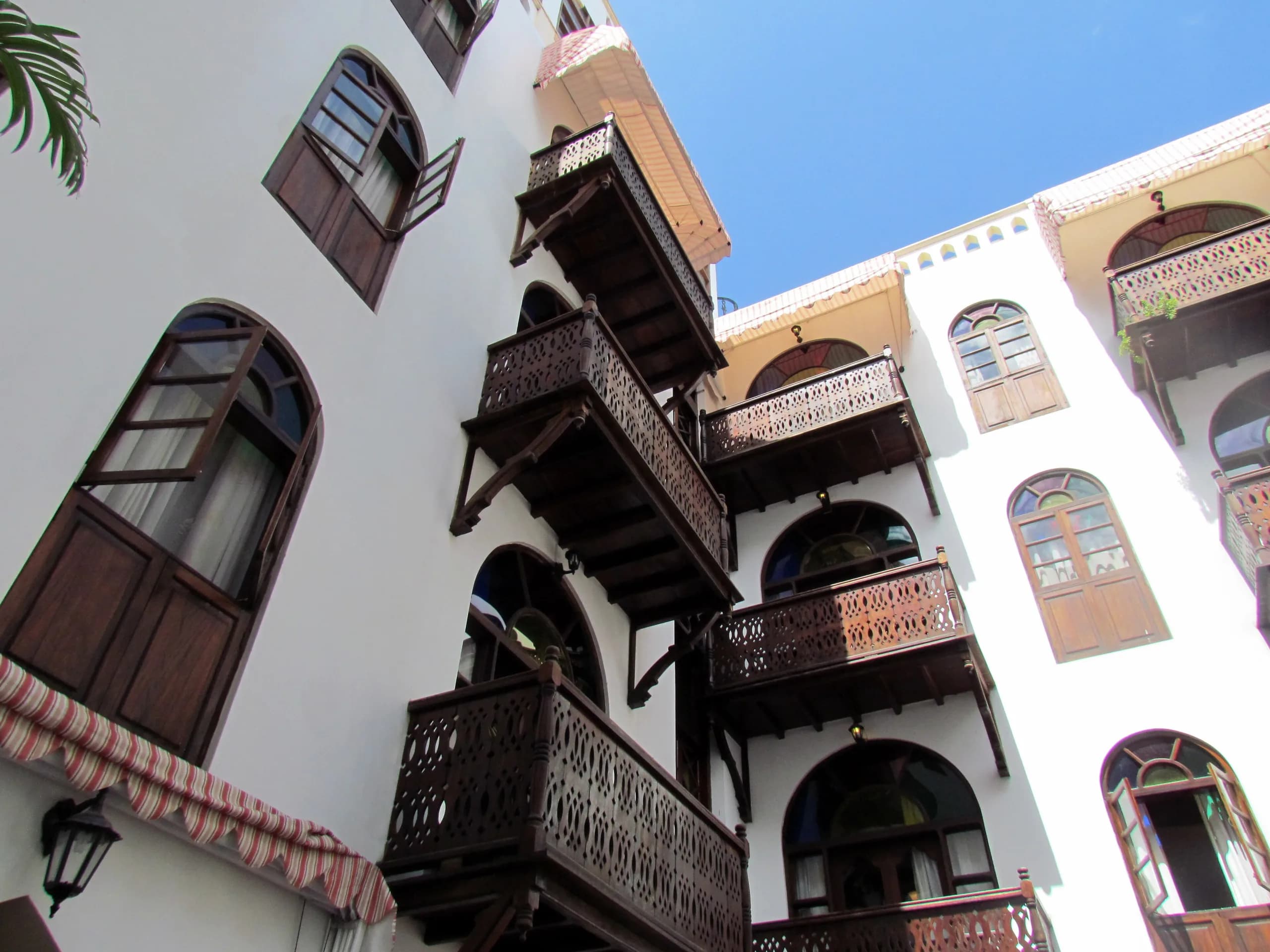
Stone Town was inscribed on the UNESCO World Heritage list in 2000 and it is a working town rather than a preserved one, which is the whole appeal. Walk it with a licensed guide for the first morning: the carved doors, which are square-topped and studded on the Omani houses and rounded on the Indian ones, the Old Fort, the Anglican cathedral built directly over the site of the slave market with the holding cells still underneath it, and Darajani market early, when the fish is coming in.
Two practical notes. The House of Wonders partially collapsed in 2020 and has been closed and under restoration since, so do not plan an afternoon around it. And Forodhani gardens at dusk, where the food stalls set up along the seafront, is worth doing on the condition that you agree the price before anything goes on a plate.
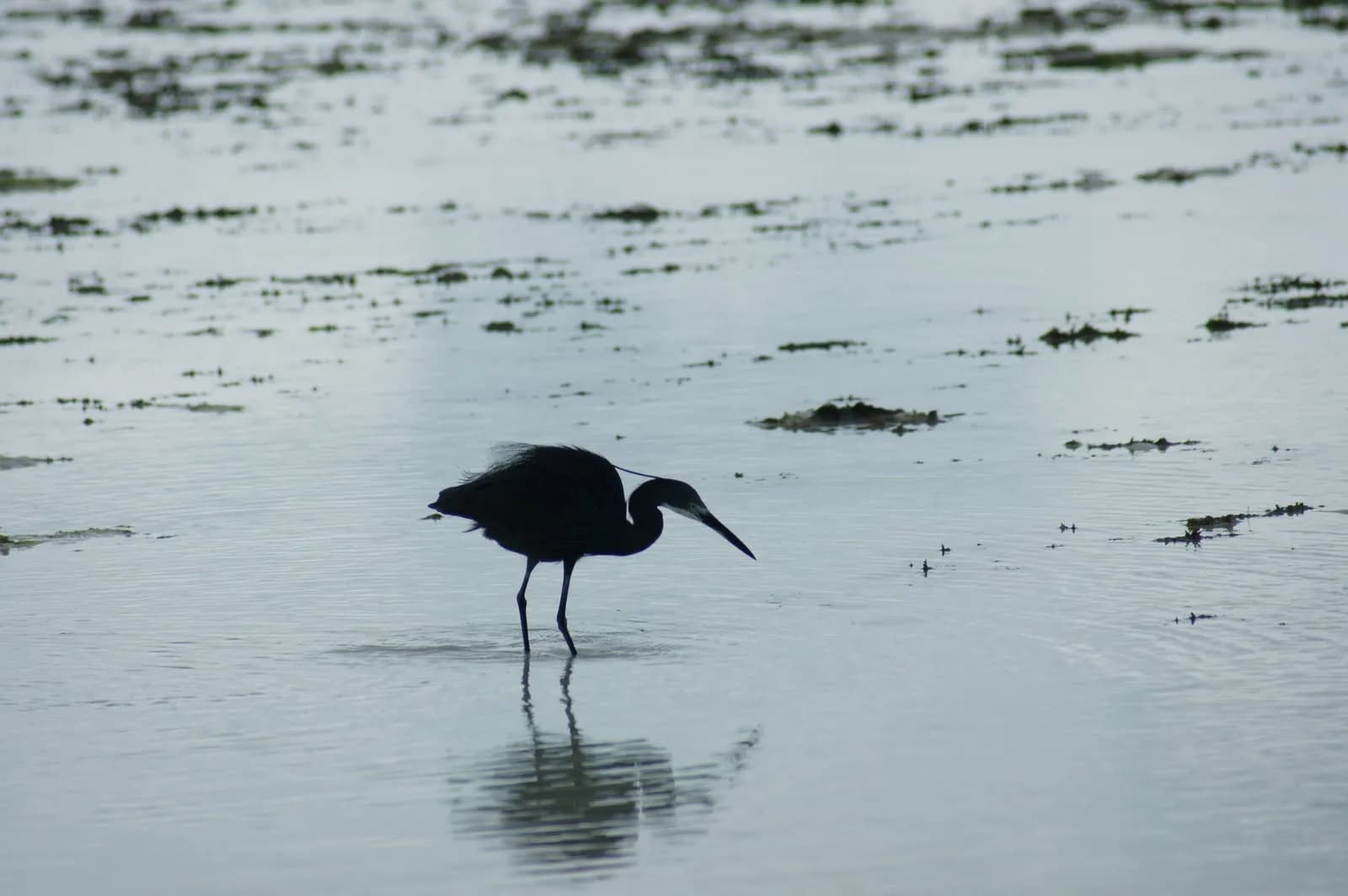
The tidal range on the east coast is large enough that at low water the sea is several hundred metres out and you are walking on exposed reef flat rather than swimming. That is not a fault, it is the coast, and it is why the kitesurfing at Paje is as good as it is. It also means the swimming window moves with the moon rather than the season, and around a full moon spring tide it moves a long way. Check the tide tables for your specific dates before you commit to a hotel on that side.
The north coast at Nungwi and Kendwa is deep enough to swim at any tide and is the answer if getting in the water whenever you feel like it matters more than quiet. Seaweed farming is a working industry along the east and south-east, and the cultivation lines are visible at low tide. It is one of the main sources of income for women on the island and it is a reasonable thing to ask about rather than to photograph from a distance.
The Mnemba atoll off the north-east coast is the best snorkelling and diving within reach of the main island. The island itself is a private lodge and is not landable, but the reef around it is a marine conservation area open to boats, with a per-person fee, and it is reached in twenty to forty minutes from Matemwe or Nungwi. Go early, before the day boats from further down the coast arrive.
Chumbe Island, south-west of Stone Town, is a strictly managed coral park with a limited number of day visitors and it has some of the healthiest reef in the region. Kizimkazi in the south is where the dolphin boats operate, and it is worth saying plainly that the standard operation there involves several boats chasing a pod so that people can jump in on top of it. We do not book it. Mnemba or Chumbe is the better use of the same day.
Jozani-Chwaka Bay National Park in the centre of the island holds the Zanzibar red colobus, which lives nowhere else on earth, and the troops beside the road are used to people. Entry is around 10 US dollars per person, the guided forest walk takes about ninety minutes, and the mangrove boardwalk at the back of it is the part most groups skip and should not.
The spice farms north of Stone Town are best folded into the drive to a north coast hotel rather than made into a separate trip. A good one has cloves, nutmeg, cardamom, black pepper and vanilla still on the plant and someone who will explain what happens to each of them after harvest. Prison Island, twenty minutes out by boat, has the introduced Aldabra giant tortoises and a former quarantine station rather than a prison.
Zanzibar requires every visitor to buy a compulsory travel insurance policy on arrival or online in advance, at a fixed fee per person, and it is separate from and additional to your own travel insurance, which you still need. There is also an infrastructure tax charged per person per night and collected by the hotel at checkout. Both are set by the Zanzibar government and both are indicative here, so budget for them rather than being surprised at the desk.
Zanzibar is predominantly Muslim. Beachwear belongs on the beach, shoulders and knees are covered in Stone Town and in the villages, and during Ramadan the restaurant hours and the pace of everything change. Alcohol is served in hotels and licensed restaurants and not much elsewhere. Zanzibar also runs its own immigration desk even on flights from the Tanzanian mainland, so keep your passport with you on the domestic hop rather than in a bag in the hold.
Resident species, not a promise. Wildlife moves.
June to October is the long dry season, with steady south-east wind, the clearest water and the most reliable diving. December to February is hot, humid and calm, and the sea is at its warmest. The long rains from mid-March through May close a number of properties and churn the water up; it is cheap and it can be lovely between the showers, but it is a gamble. November brings short afternoon rain and is often the best value month of the year. Kitesurfing on the east coast runs with the two wind seasons, roughly June to September on the south-east monsoon and December to February on the north-east. Humpback whales pass offshore from around August to October. The tidal range on the east coast is large in every month, so the swimming window tracks the moon rather than the season.
By air, Abeid Amani Karume International at Zanzibar Town takes direct international flights and frequent domestic hops: about twenty minutes from Dar es Salaam and roughly ninety minutes from Arusha or Kilimanjaro, which is the usual connection at the end of a northern circuit safari. By sea, the Azam Marine fast ferries run from Dar es Salaam in about two hours several times a day and are a real alternative if you are already in the city, though they are unpleasant in rough weather. On the island the airport is fifteen minutes from Stone Town, about an hour to Paje on the east coast, an hour and a quarter to Matemwe and an hour and a half to Nungwi. The transfer roads are tarmac and fine; it is the driving on them that needs watching.

We will say honestly what is available on your dates, what the permits cost and whether the season suits what you want to do in Zanzibar.