3 daysUganda
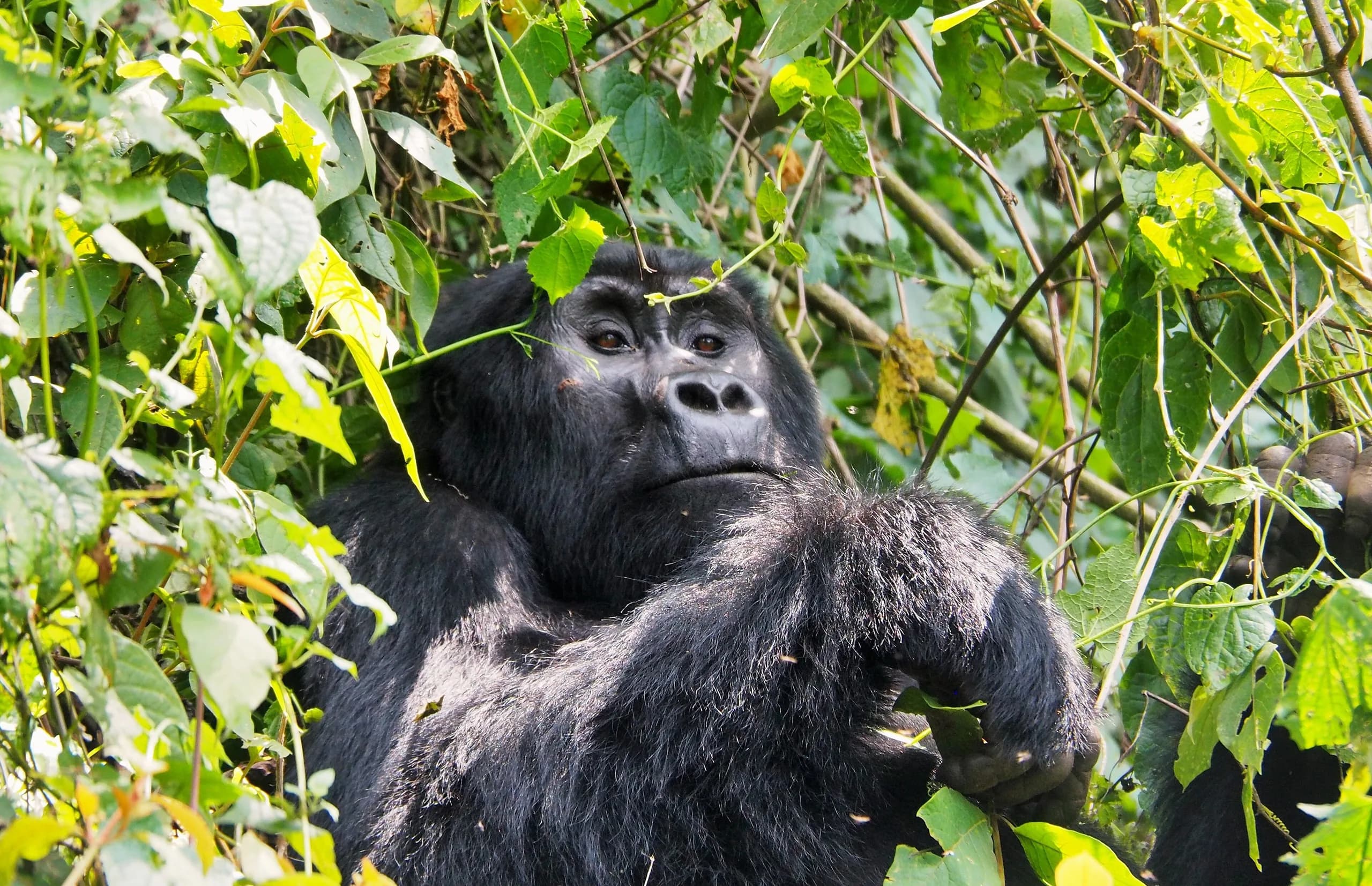
3-Day Bwindi Gorilla Short Break
Fly in to Kihihi, trek one family in Buhoma, fly out. The shortest honest gorilla trip.
From$2,950 per person

6 days, Tanzania
A night in Stone Town, then four on the north-east coast within reach of the Mnemba reef
Mostly vehicle-based game drives with short, flat walks. Suitable for most fitness levels.
Per person sharing
This is designed to be bolted onto the end of a safari rather than flown to on its own. The connection from Arusha or Kilimanjaro to Zanzibar takes about ninety minutes, so you can be on the crater rim at breakfast and in Stone Town for dinner, which is the right way round: do the early mornings first and the doing-nothing afterwards.
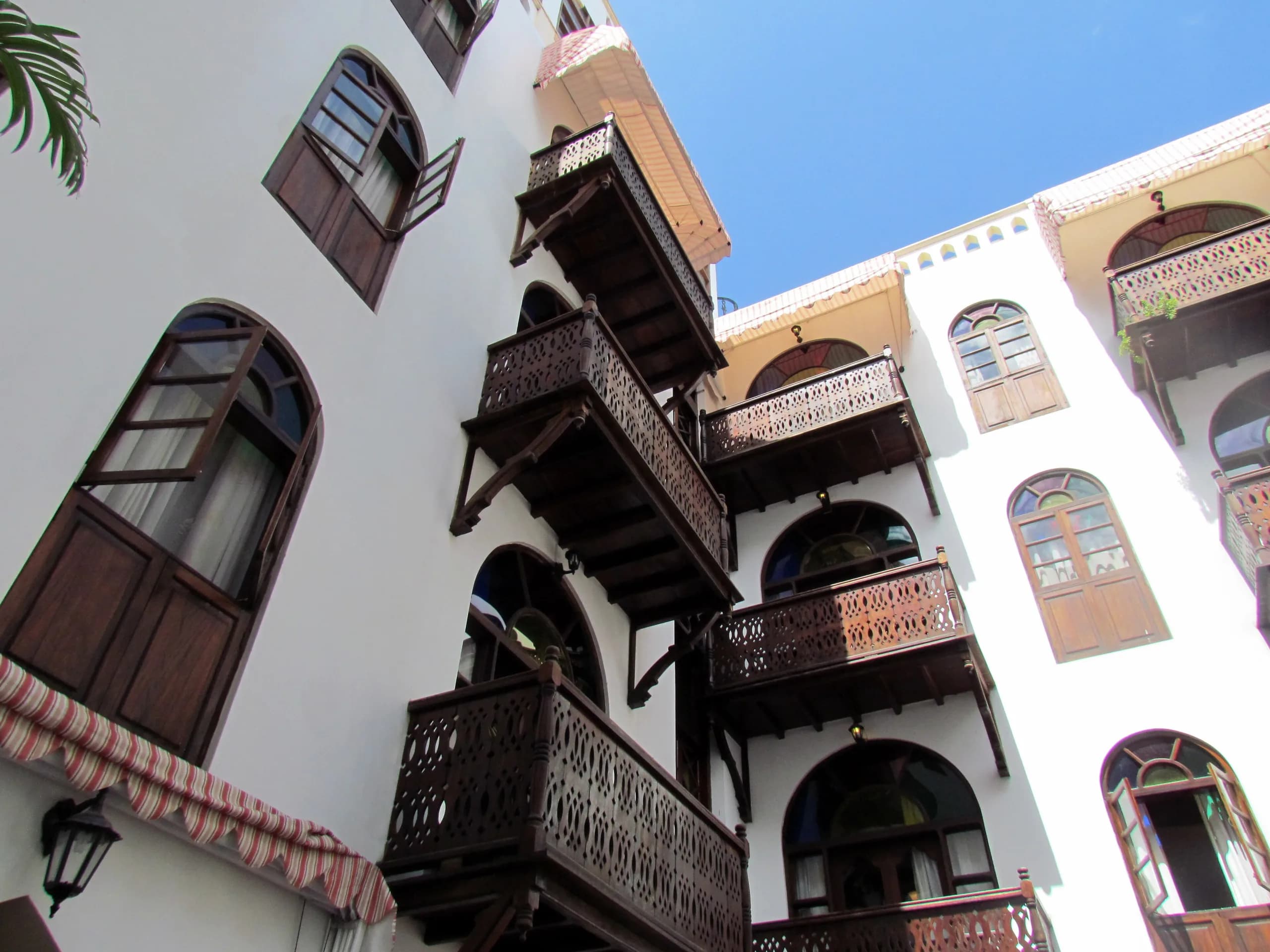
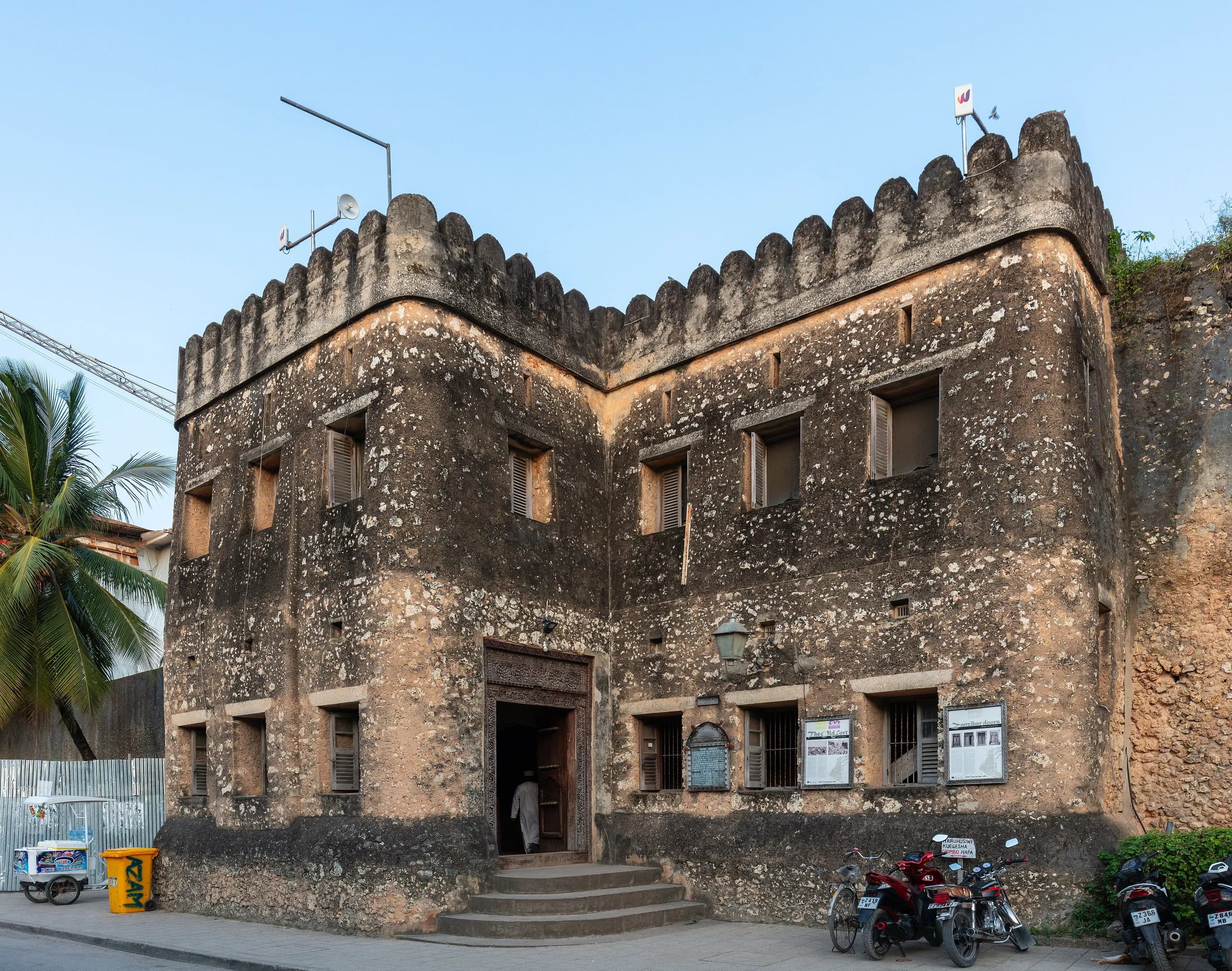
One night in Stone Town, because the old town is a working port city with Omani, Indian, Persian and African layers stacked on top of each other and it deserves a walk and a proper dinner, but two nights there in the heat is more than most people want. Then north to Matemwe on the north-east coast, which faces the Mnemba atoll and has the best reef access on the island. The east coast has a large tidal range, so at low water the sea goes out a long way and the swimming window moves with the moon. We will tell you what the tides are doing in your week before you book, because it changes which beach we put you on.
Nothing here is scheduled beyond what you ask for. There is a spice farm, the Jozani forest with its endemic red colobus, a dhow at sunset and a reef that is genuinely worth the mask. There is also a hammock. After ten or fourteen days of dawn starts, most people take the hammock.
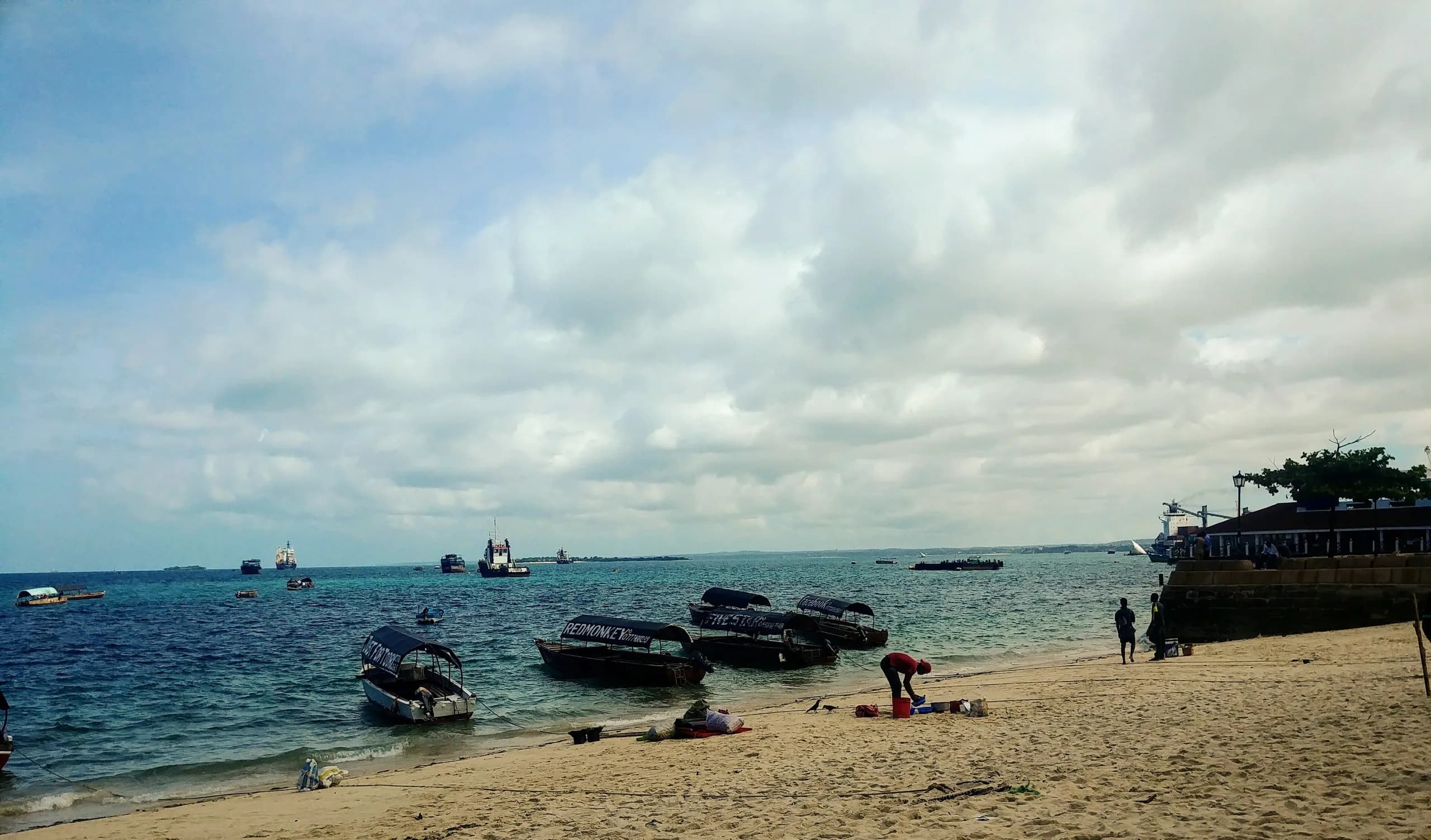
The connection from Arusha or Kilimanjaro takes about ninety minutes and comes in low over the reef, which is the first sign of what the water here does. Abeid Amani Karume International is fifteen minutes from the old town. The afternoon is free to walk down to the seafront at Forodhani, where the food stalls set up at dusk, and to get lost in the lanes, which everybody does and which is the point.
A morning walk with a local guide takes in the old dispensary, the Omani fort, the Anglican cathedral built on the site of the former slave market, and the doors, which are carved differently depending on who commissioned them. On the road north you stop at a working spice farm for cloves, nutmeg, cardamom and vanilla still growing rather than in a jar. Matemwe is about an hour and a quarter from the farm, on the north-east coast facing Mnemba.
The boat leaves in the morning while the water is still flat and the atoll is about twenty minutes offshore. The reef around Mnemba is a protected marine area and the fish life reflects it, with turtle and dolphin regular rather than rare. If you dive rather than snorkel, the operators here run several sites on the atoll wall and it is easy to arrange from the lodge. The afternoon is yours.
An hour south to the Jozani Chwaka Bay forest, the last significant patch of the indigenous forest that once covered much of the island, and the only place the Zanzibar red colobus exists. They are used to people and sit at close range, and the mangrove boardwalk at the far end of the reserve is worth the extra twenty minutes. Back on the coast for a sunset dhow, sailed by the crew who fish from it the rest of the week.
Deliberately unscheduled. The tide runs a long way out here twice a day, so the swimming happens in a window and the rest of the time the flats are worth walking, which is where the village seaweed farmers work. Kitesurfing, a second dive, a village walk or a massage can all be arranged on the morning. Most people, after two weeks of dawn starts, choose the hammock.
The transfer to Abeid Amani Karume International takes about ninety minutes from Matemwe, longer if the coast road is busy, and we build in the margin rather than cutting it fine. If you have a late departure there is time for a last swim or a room held until the afternoon. Direct flights leave Zanzibar for Nairobi, Dar es Salaam, Doha and several European cities.