10 daysUganda
10-Day Uganda Grand Circuit
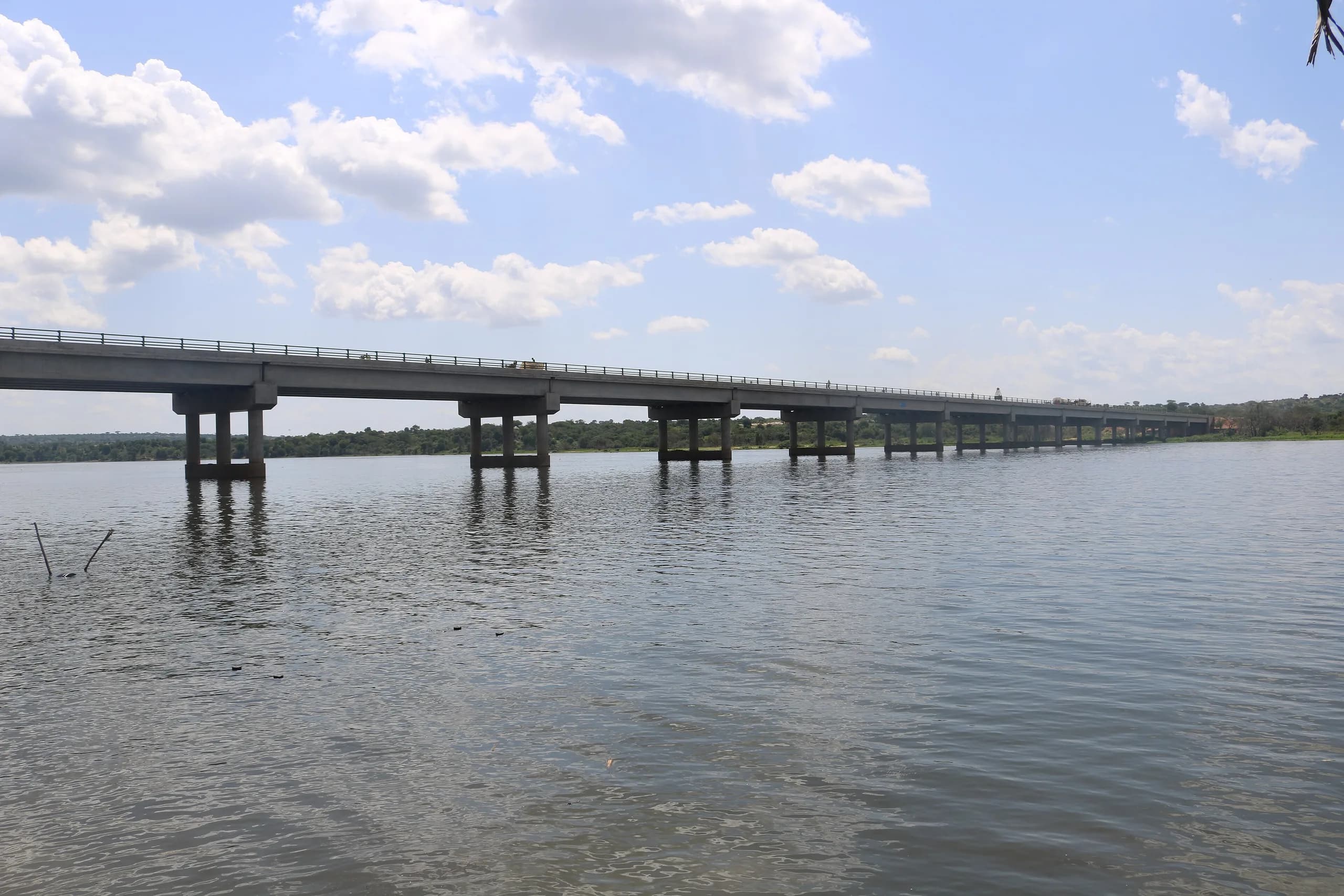
Rhino on foot at Ziwa, the Nile at Murchison, chimps at Kibale, the Kazinga Channel and gorillas in Bwindi
From$7,200 per person
Lion, leopard, elephant, buffalo and rhino, and where each is actually found
The Big Five is a hunting term that outlived hunting. It named the five animals that were most dangerous to shoot on foot, not the five most interesting to watch, which is why it puts buffalo on the list and leaves cheetah off it. It survives because it is a useful shorthand for a classic savannah safari.
Four of the five are straightforward across East Africa. Lion, leopard, elephant and buffalo are all present in the Masai Mara, the Serengeti, Queen Elizabeth and Murchison Falls, and a week of well-guided game drives will usually find all four. Rhino is the one that takes planning.
So the honest version of a Big Five itinerary is this: pick your savannah for the four, then add one deliberate stop for rhino. Ngorongoro Crater, Lake Nakuru, Ol Pejeta and Ziwa in Uganda are the places that make the fifth realistic rather than lucky.
| Animal | Strongest parks in our region | Notes |
|---|---|---|
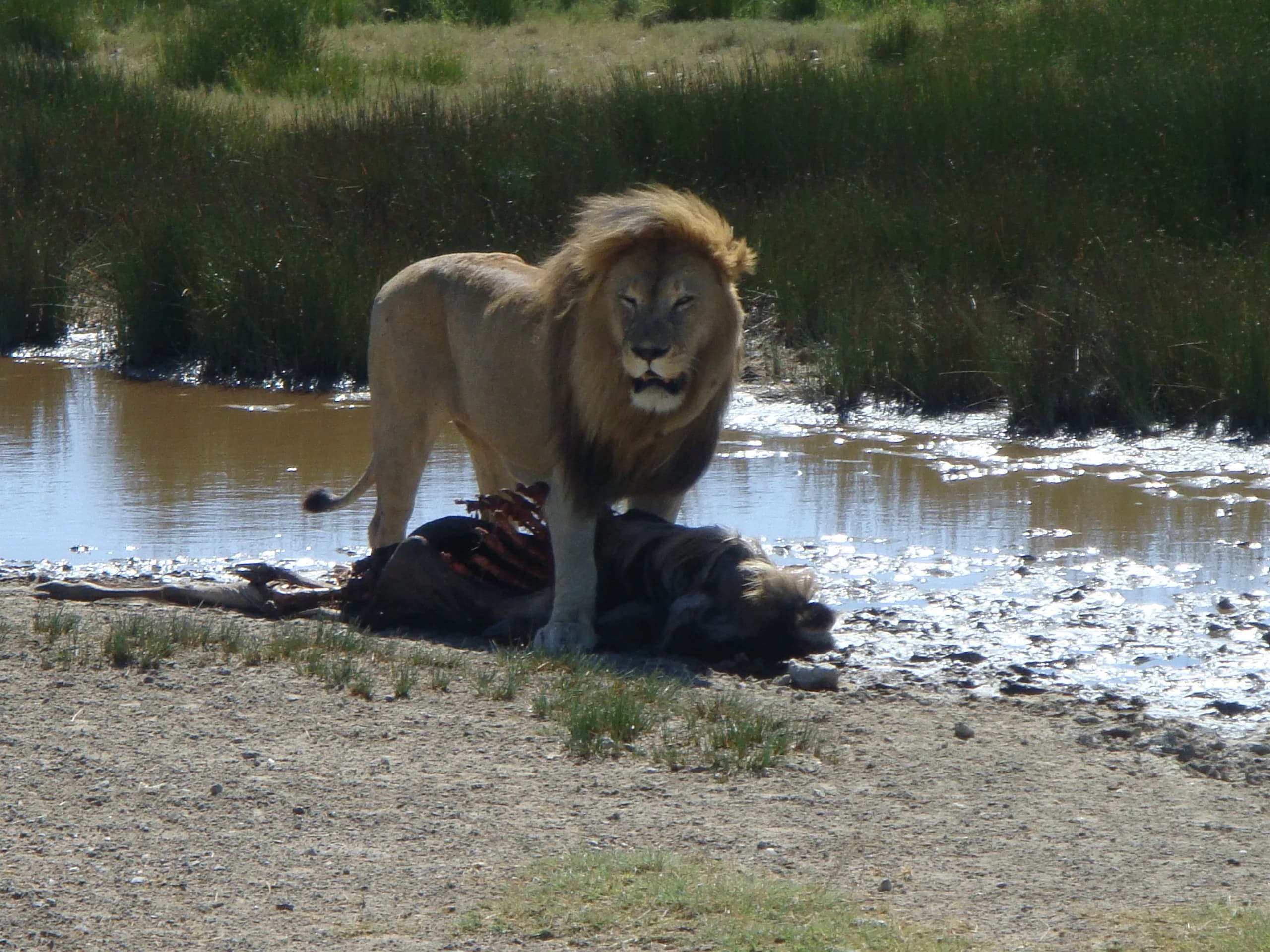
| Lion | Masai Mara, Serengeti, Ngorongoro, Kasenyi in Queen Elizabeth | Reliable. The Mara and Serengeti have the highest densities |
| Leopard | Seronera valley, Masai Mara, Murchison Falls delta | Present far more often than seen. Needs a good guide and patience |
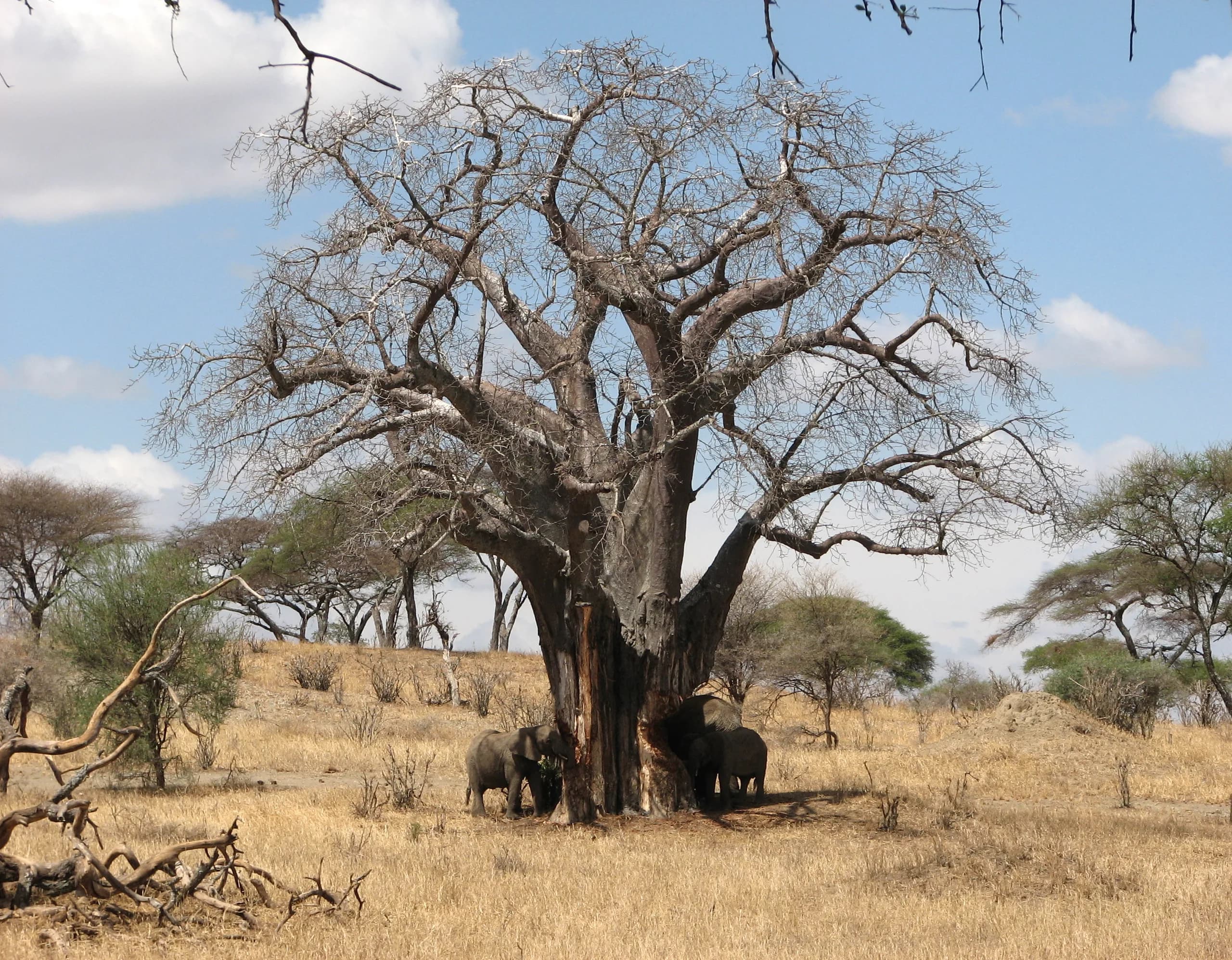
| Elephant | Amboseli, Tarangire, Murchison Falls, Queen Elizabeth | Amboseli for big tuskers against Kilimanjaro |
| Buffalo | Everywhere on this list | The easiest of the five, and the most dangerous on foot |
| Rhino | Ngorongoro Crater, Lake Nakuru, Ol Pejeta, Ziwa Rhino Sanctuary | Absent from the Mara core, the Serengeti and all Ugandan parks |
Poaching removed rhino from most of this region during the twentieth century. Uganda lost its wild populations entirely, and the animals you can see there today are at Ziwa Rhino Sanctuary, a fenced reintroduction project on the road north to Murchison Falls where you track southern white rhino on foot with a ranger. Kenya protects both black and white rhino at Lake Nakuru and in the Laikipia conservancies, Ol Pejeta among them. In Tanzania the reliable one is the small black rhino population on the floor of Ngorongoro Crater, usually seen at a distance across the grass.
Plan the rhino stop first, because it is the one that dictates the route. Everything else can be fitted around it.
Kenya in the Masai Mara and its surrounding conservancies, at Amboseli and at Lake Nakuru. Tanzania across the Serengeti, Ngorongoro and Tarangire. Uganda in Queen Elizabeth, Murchison Falls and Kidepo Valley, which is the emptiest good savannah left in the region and the one we send repeat visitors to.
We use the phrase because it is what people search for, and then we ignore it once planning starts. A morning with a cheetah teaching cubs to hunt, or wild dog on the move, is a better sighting than a distant buffalo, and no list of five will tell you that.
Each of these already includes it. Any of them can be reshaped around your dates.
Tell us your dates and we will come back with an itinerary, the lodges we would use and a price that holds.