10 daysUganda
10-Day Uganda Grand Circuit
Rhino on foot at Ziwa, the Nile at Murchison, chimps at Kibale, the Kazinga Channel and gorillas in Bwindi
From$7,200 per person

Uganda, national park
Kazinga Channel game viewing, crater lakes and the tree-climbing lions of Ishasha
Queen Elizabeth sits in the floor of the Albertine Rift between Lake Edward and Lake George, with the Rwenzori range on the horizon to the north and the Ishasha plains running down to the Congo border in the south. It is Uganda’s most visited savannah park and the most varied one, holding open grassland, crater fields, papyrus swamp, fig forest and a gorge full of chimpanzees within an hour of each other.
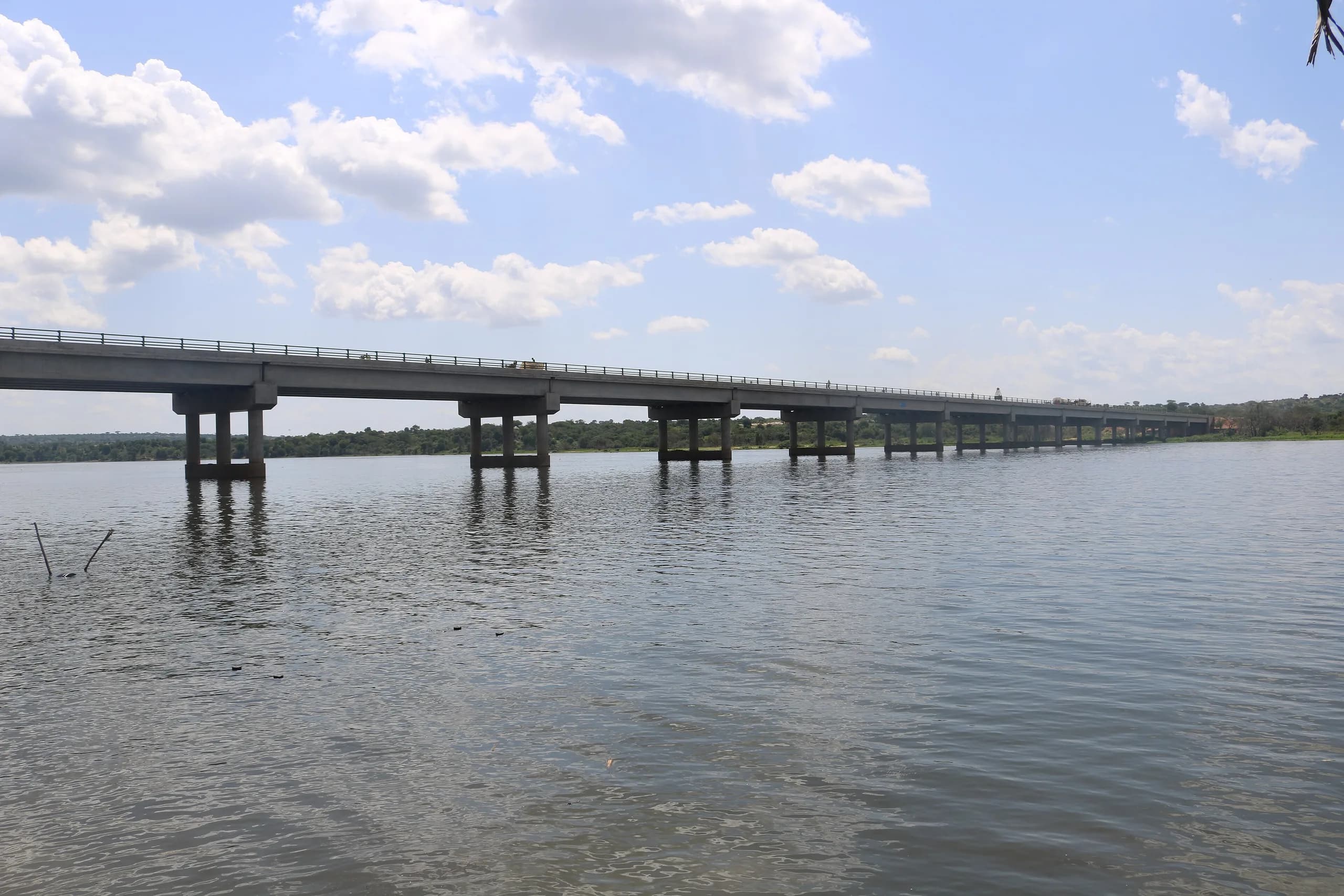
The Kazinga Channel is the reason to come. Thirty-two kilometres of water joining the two lakes, with one of the highest concentrations of hippo anywhere and a shoreline that elephant, buffalo and hundreds of water birds use all day. An afternoon boat here reliably delivers more animals at close range than a morning game drive anywhere else in the country.
The park is not a Serengeti and does not pretend to be. Lion, leopard and elephant are all here, but they are spread thinly across a landscape they share with fishing villages, so sightings take patience and a good guide.
Mweya and the Kasenyi plains in the north are the core: the Kazinga Channel launch leaves from Mweya, and Kasenyi is where the Uganda kob gather and where the lions that hunt them are found. Two nights covers it comfortably. Ishasha, in the far south, is a two-hour drive from Mweya and is a different landscape of open acacia and fig trees, famous for lions that lie along the horizontal branches. It also sits directly on the road to Bwindi, so it fits into a gorilla itinerary at almost no cost in driving time. Kyambura Gorge, on the eastern edge, is a fifty-metre-deep forested cut in the savannah holding a small, habituated chimpanzee community.
Park entry for a foreign non-resident is around 40 US dollars per person per 24 hours, set by the Uganda Wildlife Authority. The Kazinga Channel launch is charged separately, at roughly 30 US dollars per person on the shared boat. Chimpanzee tracking in Kyambura Gorge is about 50 US dollars per person. All three are indicative, are set by the authority and change without much notice, so treat them as a planning guide rather than a quote.
Be realistic about Kyambura. The community is small, it is not fully habituated, and the chance of a sighting is well below what Kibale delivers. The gorge walk itself is superb regardless. If seeing chimpanzees is the point of the day, do it in Kibale.
Ishasha’s lions climb, and the usual explanation is that they are escaping biting flies and ground heat, though nobody has settled it. They are not guaranteed. Finding them means driving the fig trees along the northern and southern circuits in the early morning or late afternoon and having a guide who knows which individual trees the pride has been using that week. A first-time visitor driving themselves will usually miss them.
The Katwe explosion craters north of Mweya are worth a slow morning, both for the view down into them and for the salt pans at Lake Katwe, where salt has been cut by hand since long before the park existed. The extraction is hard, unglamorous work, and a visit run through the local cooperative is far more interesting than the drive-past most itineraries give it. On a clear morning, usually after rain, the Rwenzori peaks appear on the northern skyline. They are snow-capped, on the equator, and most visitors never see them because of cloud.
Fishing villages sit inside the park boundary at Katwe, Kasenyi and Kahendero, and the road passes through them. Elephants raid gardens, lions take cattle, and the compensation and fencing schemes are underfunded. This is a park where the conservation conversation is visibly unfinished, and it is more honest to see that than to be driven around it.
Resident species, not a promise. Wildlife moves.
January and February, then June to September, are the dry months and the best game viewing, because the grass is short and animals concentrate near the channel and the remaining water. March to May is the long rains, when the park is green, the birding is at its best with migrants present from November to April, and the tracks in Ishasha can become difficult. October and November bring the shorter rains, usually as heavy afternoon storms rather than all-day rain, and mornings are often clear. The Kazinga Channel boat is good in every month of the year. If your priority is photography, the dry months give you dust and hard light; the shoulder months of December and early June often give the best of both.
By road it is six to seven hours from Kampala via Mbarara to the southern gate, or six hours via Fort Portal to the northern gate, both on tarmac. Coming from Kibale Forest it is a two-hour drive south through the crater lake field, which is one of the best drives in Uganda. Coming from Bwindi, Ishasha is two hours north of the Buhoma sector, so the park slots neatly between the gorillas and the chimps. By air, Aerolink flies Entebbe to Mweya and Kasese airstrips, both about an hour, and Kihihi airstrip serves Ishasha with a 45-minute transfer.


The properties we book here most often. Which one suits you depends on the season, the sector you are trekking and how much walking you want between your room and dinner.
Premium, 46 rooms
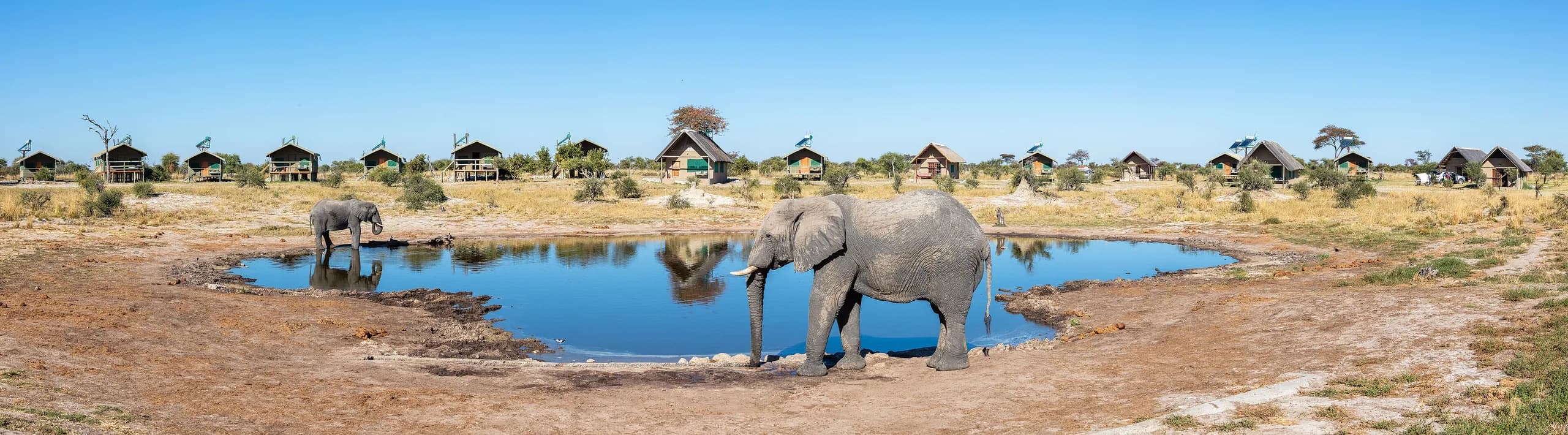
The best-positioned lodge in Queen Elizabeth, on a peninsula where the Kazinga Channel meets Lake Edward, with hippo and elephant regularly on the lawns. It is also the largest and busiest property in the park, so it feels more like a hotel than a camp. Choose it for the location, the pool and the sunset over the channel, not for intimacy.
Swimming pool overlooking the Kazinga Channel, Restaurant and bar, Launch trip jetty on site
We will say honestly what is available on your dates, what the permits cost and whether the season suits what you want to do in Queen Elizabeth National Park.