Fly if the trip is short or the park is far. Kidepo Valley in the far northeast is the clearest case, followed by a two- or three-night gorilla trip where driving each way would eat most of the itinerary. Drive if you have ten days or more, are travelling as a family or group, and want the country between the parks. Most well-built Uganda itineraries do both: fly one leg, drive the other.
What does a fly-in safari in Uganda actually involve?
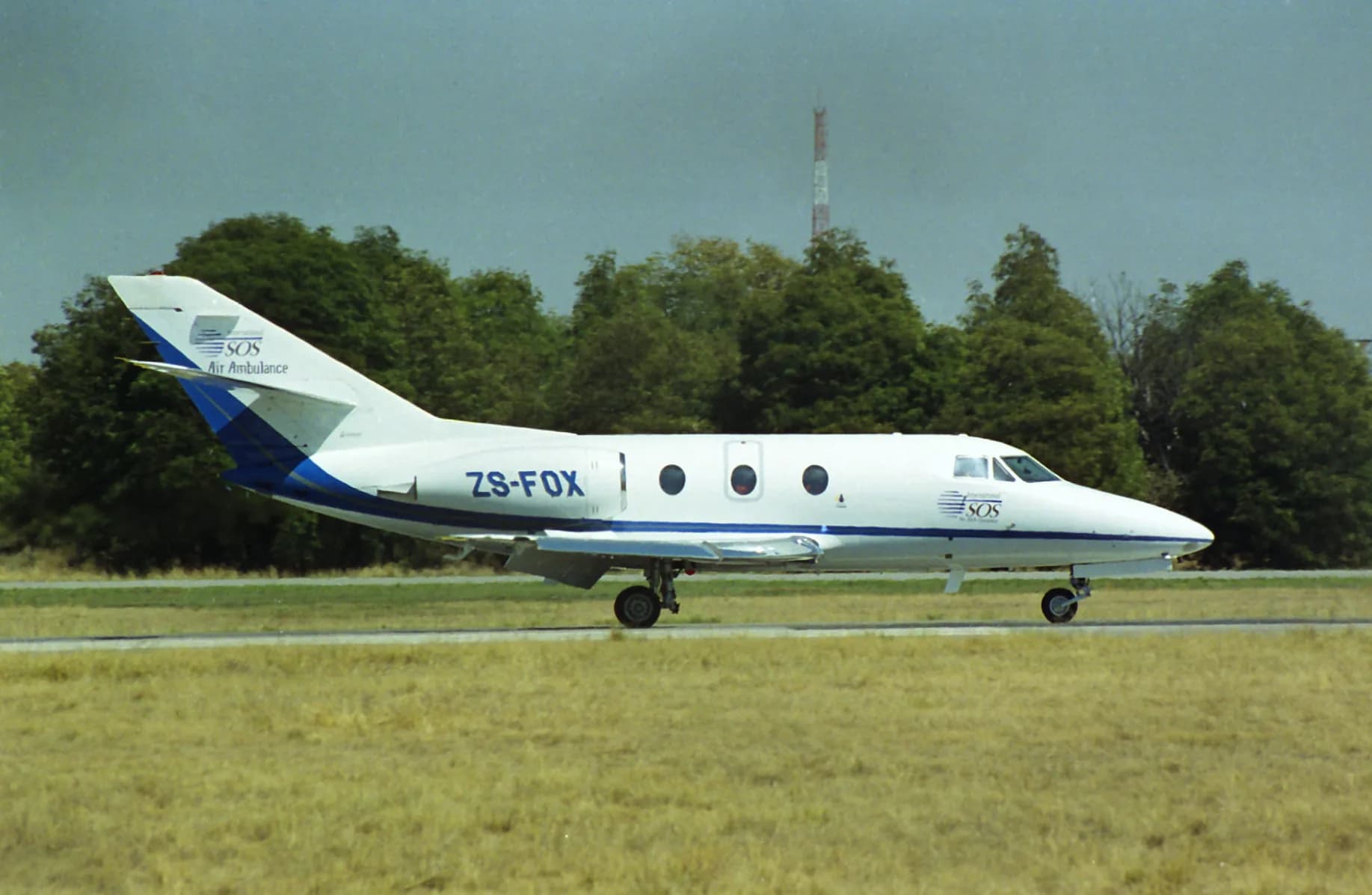
Flying replaces the long transfer between parks. It does not replace the safari vehicle. You still need a vehicle and guide at the far end for game drives, for the road between the airstrip and your lodge, and for getting to a trailhead at the hour the park authority expects you.
Light-aircraft seats and private charters are sold out of Entebbe to the airstrips serving the main parks, but routes, frequencies and fares change from season to season and from year to year, so we do not publish a timetable or a fare here. We confirm what is actually flying, on your dates, when we quote.
Two practical differences from the airline you arrived on are worth knowing before you pack. Light aircraft carry a lower luggage allowance than an international carrier, normally in soft bags rather than hard cases, with the exact limit set by the aircraft and the operator flying it — so we confirm it in writing rather than assume it. They are also weather-dependent in a way a road transfer is not: a vehicle can leave an hour late, a plane sometimes cannot leave at all.
When is flying clearly worth it?
- Kidepo Valley. The park sits in the far northeast, and it is the destination where flying changes the shape of a trip rather than merely shortening it. See Kidepo Valley National Park.
- Short gorilla trips. On a three- or four-night trip, a day of driving in each direction is a large fraction of the whole. A short gorilla break is the itinerary that most reliably justifies the air fare.
- Travellers with limited time, or limited tolerance for long transfers. Age, back trouble and motion sickness are all legitimate reasons to fly a leg.
- One-way legs. Driving out and flying back, or the reverse, buys back a day without losing the whole road experience.
When does driving win?
- Longer itineraries. Once you have ten days or more, the road stops being dead time and becomes the part of the trip that shows you Uganda rather than its parks. A full Uganda grand circuit is built on this.
- Families and small groups. A private vehicle and guide is a single cost shared across the party. A seat on a light aircraft is priced per person, so the arithmetic moves against flying as the group grows.
- Photographers. Long lenses and hard cases are exactly what light-aircraft weight limits are least accommodating of. See photographic safaris.
- Anyone who wants the places between the places. The Fort Portal crater lakes, the tea country, the escarpment views and a short stop at Lake Mburo only exist on a road itinerary. Fly over them and they are gone.
Fly-in versus road: a side-by-side
| Consideration | Fly-in | Road |
|---|
| What it buys you | Time. Half a day to a day back per long leg | Continuity. The landscape, towns and farmland between parks |
| How it is priced | Per person, per seat | Per vehicle, shared across the party |
| Luggage | Restricted, soft bags, limit set by aircraft and operator | Effectively unrestricted within the vehicle |
| Weather exposure | Flights can be delayed or cancelled outright | Rain slows the road; it rarely stops the journey |
| Flexibility on the day | Low. You move when the aircraft moves | High. Stop, wait, detour, leave early |
| Best suited to | Short trips, distant parks, tight schedules | Ten days or more, families, groups, photographers |
Does flying change anything about permits or park fees?
No, and the two are easy to conflate, so it is worth being explicit. Uganda Wildlife Authority charges park entrance per 24 hours from the time of entry, regardless of how you reached the gate. For foreign non-resident adults that is USD 40 per 24 hours at Bwindi, Kibale, Queen Elizabeth, Kidepo Valley, Lake Mburo and Mgahinga, and USD 45 at Murchison Falls, with extra time charged as another day. These are the rates in UWA's currently published Conservation Tariff, and UWA revises them on its own schedule, so we confirm the figure applying to your dates when we quote.
One line is easy to double-count. UWA's tariff states that gorilla and chimpanzee permit rates already include the guide fee, park entrance for the day of tracking and the community development contribution. You are not charged the daily entrance fee again on trek day, so the USD 40 or USD 45 applies to the other days of your stay rather than to the trek itself.
Permit prices are equally indifferent to your mode of arrival. A gorilla permit is USD 800 per person for foreign non-residents, or USD 600 in April, May and November under the low-season rate UWA introduced in February 2026 — and UWA states that a low-season permit cannot be rescheduled. Chimpanzee tracking at Kibale is USD 250, or USD 200 in those same low-season months, and rises to USD 300 for treks from 1 January 2027 under the revised tariff UWA published in February 2026. The gorilla permit is unchanged at USD 800 under that same revision, which is useful reassurance if you are booking a long way ahead.
Other primate products change on the same date, so price them now if they are in your itinerary. From 1 January 2027 gorilla habituation rises from USD 1,500 to USD 1,800, chimpanzee habituation at Kibale from USD 300 to USD 400, and chimpanzee tracking at Kyambura in Queen Elizabeth from USD 100 to USD 200.
Foreign non-residents can only buy gorilla and chimpanzee permits through a tour operator licensed by the Uganda Tourism Board; there is no route that lets a fly-in traveller arrange one independently. Our full breakdown is in Uganda gorilla permits: cost and booking.
Nor does flying shorten the day in the forest. UWA describes gorilla treks as lasting between two and seven hours and requiring moderate fitness, with tracking occasionally running to a full day depending on how far the family has moved. UWA's Kibale page puts chimpanzee treks at 08:00, 11:00 and 14:00 from Kanyanchu, two to five hours long, capped at six trackers, with a minimum age of 16. An aircraft cannot compress any of that.
What is the real risk of a tight fly-in day?
It is the permit, not the flight. Since 1 March 2026 UWA has suspended the seven-day reservation window: the booking system now secures a permit only on full payment at the time of booking, partial settlement is not accepted, and there is no free hold period at all. A late reschedule is charged at 25 per cent of the permit fee, and tracking gorillas in a location other than the one booked is charged at 50 per cent. A weather-delayed flight on the morning of a trek is therefore not an inconvenience but a charge — 25 per cent of the permit fee to move it, if a date is even available, and a total loss on a low-season April, May or November permit, which UWA does not allow to be rescheduled at all.
The rule we apply is simple: never land on the morning of a trek. Fly in the day before and sleep near the trailhead. It removes the entire exposure for the price of one night, and it is the single most useful thing to get right when planning a gorilla trek around a flight.
How much does the season change the answer?
More than most people expect, and not in the direction they expect. The Uganda National Meteorological Authority describes two national rainfall seasons, March to May and September to December, with December to February typically dry across the country and February the hottest month. But it also notes that northern and parts of eastern Uganda usually receive substantial rainfall in June, July and August — the very months the southwest is at its driest.
That is why the north is where flying earns its keep. When Bwindi is in its most reliable dry window — the long-term Ruhija record shows June, July and August as the driest months in every year measured — the roads in the far north may be doing the opposite. Kibale follows the same southern pattern, with dry seasons in December to February and June to August.
None of this is a guarantee. The same Bwindi record includes a heavy-rain July and years in which the expected March peak barely appeared. Treat the seasons as strong tendencies and build the itinerary with a margin, rather than assuming a dry month means a dry road.
So which should you choose?
If your trip is under five nights, or it includes Kidepo, price a flight. If it is ten nights or more and you are two or more people sharing a vehicle, start from the road and add a single flown leg only where it buys back a genuinely useful day. If you are carrying camera kit, weigh it before you decide anything.
A hybrid — one flown leg, the rest driven — suits most Uganda itineraries, and we will tell you plainly when a flight is not worth what it costs you. Tell us your dates, your party and how long you have, and we will lay out both versions side by side: plan your safari, or get in touch.