
Uganda, national park
Lake Mburo National Park
The only Ugandan park with impala, and the one you are allowed to walk in
About Lake Mburo National Park
Lake Mburo is the smallest savannah park in Uganda at about 370 square kilometres, and it sits directly on the tarmac between Kampala and everything in the west. That position is most of its value: it turns the brutal nine-hour drive to Bwindi into two civilised days, and it is close enough to Kampala that a two-night trip is possible without flying.
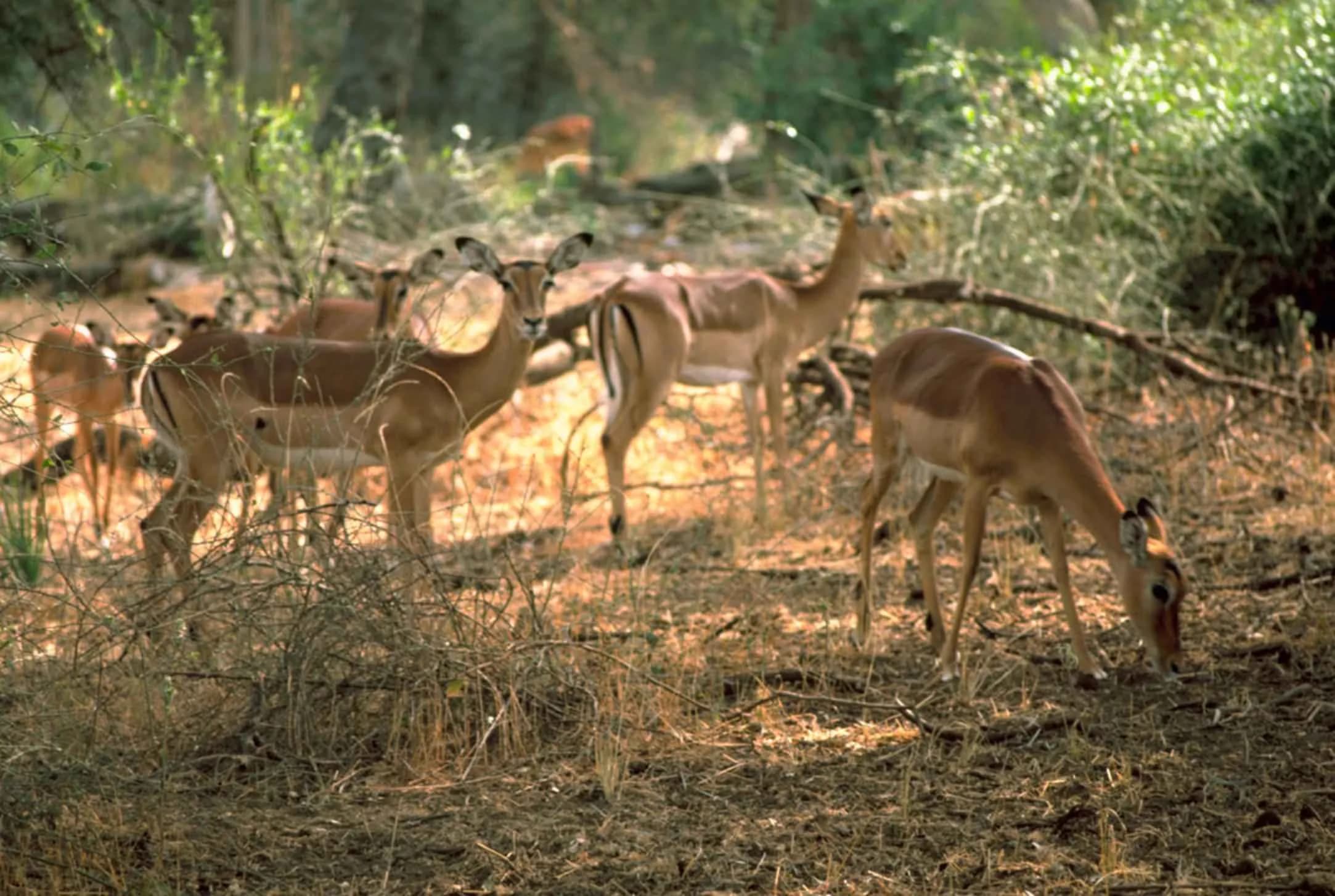
It is also the only park in the country with impala, which is not a small thing given that Kampala is named after them. It holds one of only two Ugandan populations of zebra, the largest eland in the country, topi, and klipspringer on the rocky outcrops. What it does not hold is elephant, and it has had no reliable resident lion for years.
That absence is the reason to come. Because the animals that would kill you on foot are largely not here, Lake Mburo permits things no other Ugandan savannah park does: guided walking safaris, mountain biking, horseback riding and night drives. Being out of the vehicle changes a safari entirely, and this is the easiest place in Uganda to do it.
What is here, and what is not
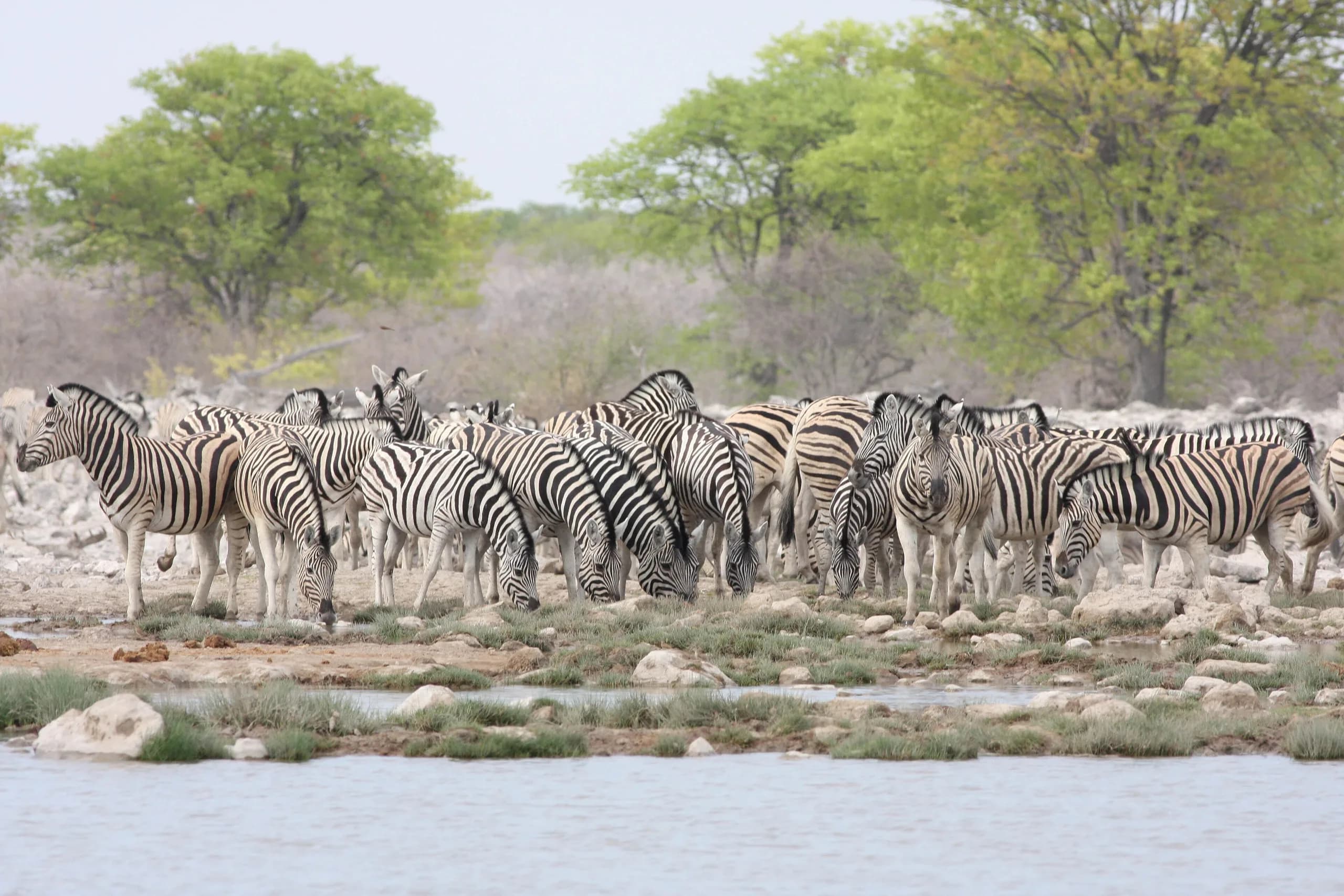
The impala are found in no other Ugandan national park. The zebra are Burchell’s and occur only here and in Kidepo. Eland, topi, defassa waterbuck, bushbuck, oribi and warthog are all common, and klipspringer stand on the rock outcrops in the east of the park where almost nobody drives. Hippo and crocodile are in the lakes, and the acacia woodland holds a bird list that includes red-faced barbet, which is an Ankole speciality that birders come specifically for.
There is no elephant population and there has been no dependable resident lion for a long time, though leopard and spotted hyena are both present and occasionally seen at night. Be clear about that before you book: this is not the park for a first-time visitor whose whole trip is built around the big five. It is the park for someone who wants to walk.
On foot, on a bike and on a horse
The ranger-guided walk leaves Rwonyo at around 07:00, runs two hours, and takes you out to the salt lick where zebra, eland and impala come in, then up onto the ridge above the lake. Walking here changes the scale of everything; a zebra at forty metres on foot is a different animal from a zebra at forty metres through a windscreen.
Mountain bikes can be hired and ridden on the park tracks with a ranger. Horseback safaris run from a lodge on the eastern boundary and are the best way to get close to plains game, because antelope read a horse and rider as a single large herbivore rather than a threat. Night drives with a spotlight leave after dinner and turn up white-tailed mongoose, genet, bushbaby, porcupine and, on a good night, leopard.
The boat, and the finfoot
The launch on Lake Mburo runs about two hours and is the other thing worth building the visit around. Hippo pods, crocodile on the banks, and along the overhanging vegetation at the edges, African finfoot. The finfoot is secretive, hard to find anywhere in its range, and this boat is one of the more reliable places in East Africa to get it. Malachite and pied kingfishers, African fish eagle and herons fill out the trip. Take the afternoon departure for the light.
Fees
Park entry for a foreign non-resident is around 40 US dollars per person per 24 hours, set by the Uganda Wildlife Authority, with vehicle entry charged separately and modest. The boat launch runs at roughly 30 US dollars per person. A ranger-guided walk and a night drive each sit somewhere in the 30 to 40 US dollar band. Horseback riding is priced by the lodge that runs it rather than by the authority and costs considerably more. Every figure is indicative, the authority sets and revises the park charges on its own schedule, and the rate on the day is the one that applies.
Cattle, eviction and a boundary that is still argued about
Lake Mburo has the most contested history of any park in Uganda and you will see the evidence of it from the road. The area was gazetted as a national park in 1983 and the Bahima pastoralists living inside it were evicted, without compensation and without consultation. When the government changed in 1986 they moved straight back in, and the park was subsequently cut down to a fraction of the area it had been declared over. Grazing pressure on the boundary, water access in the dry season and cattle inside the park are live issues rather than historical ones, and the long-horned Ankole cattle you pass on the way in are part of the same story.
It is a park that exists on sufferance from the communities around it, and the way it is managed reflects that. Knowing this makes the drive in more interesting than pretending the fence is a natural feature.
What people come here for
- Impala, found in no other Ugandan national park
- Guided walking safaris from Rwonyo, out to the salt lick and up onto the ridge
- Night drives with a spotlight for genet, white-tailed mongoose, porcupine and leopard
- Horseback safaris on the eastern boundary, which get you closer to plains game than a vehicle can
- African finfoot along the overhanging vegetation on the two-hour lake launch
- Zebra and eland in numbers, plus klipspringer on the rock outcrops in the east
- Three and a half hours from Kampala, which makes the drive west into two reasonable days
What lives here
Resident species, not a promise. Wildlife moves.
- Impala
- Plains zebra
- Common eland
- Topi
- Defassa waterbuck
- Klipspringer
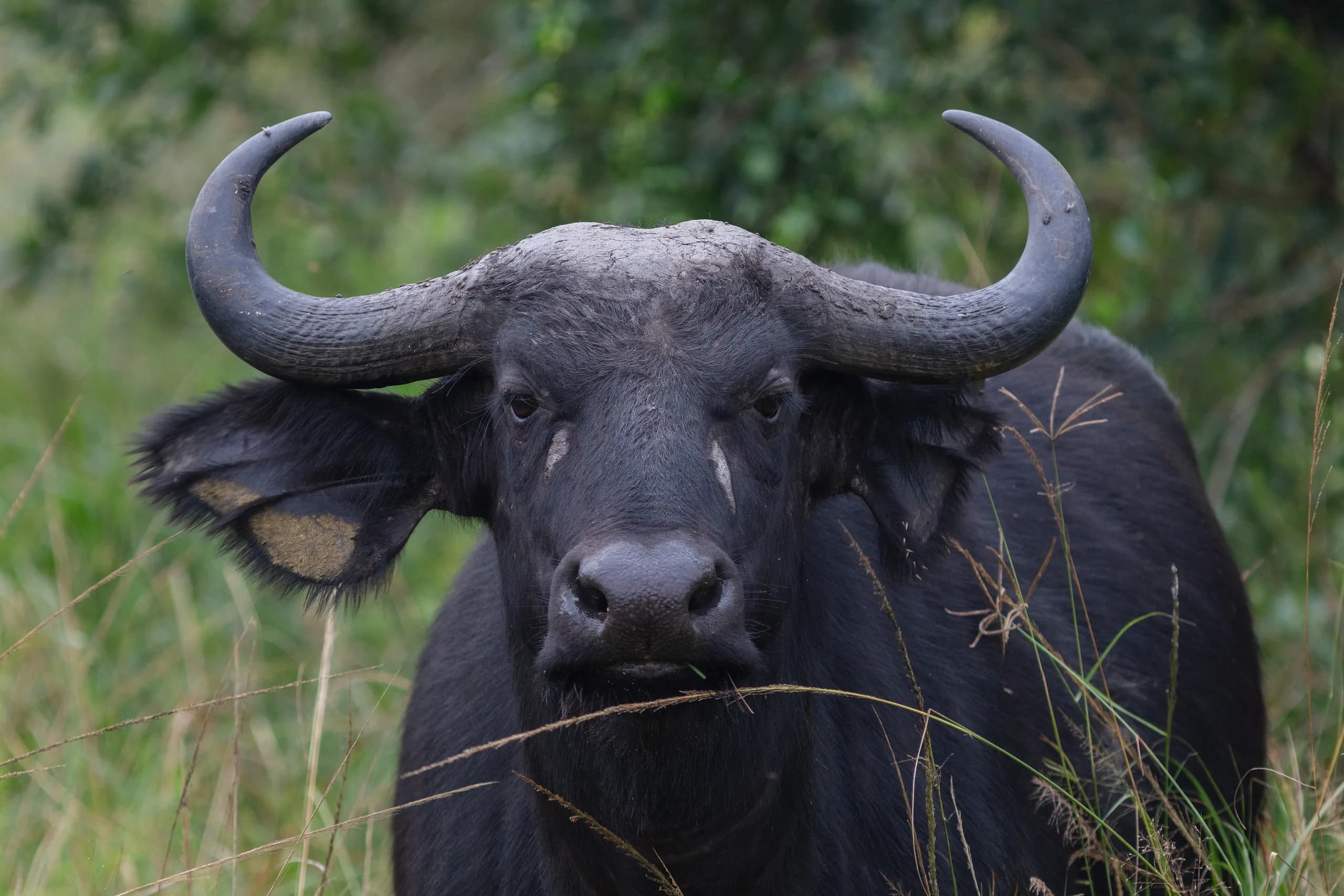
- Cape buffalo
- Hippopotamus
- Leopard
- African finfoot
Best time to visit
June to August and December to February are the dry months, when the game concentrates on the lakes and the salt lick and the tracks are firm throughout. March to May and September to November are the two rainy seasons, when the acacia woodland greens up, the birding is at its best with migrants in from November to April, and some of the eastern tracks towards the rock outcrops become hard work. Because the park is small and the animals do not move far, the seasonal difference in game viewing is less dramatic here than at Murchison or Queen Elizabeth. Walking and cycling are more pleasant in the dry months for obvious reasons. The afternoon boat is good in every month of the year.
Getting there
By road it is three and a half to four hours from Kampala on tarmac via Masaka, with the Nshara and Sanga gates signposted off the main Mbarara highway and a short murram run to the gate from either. That makes it the standard first night on the drive west and the standard last night on the way back. Mbarara is about 30 kilometres beyond the park and is the nearest town of any size. Onward, it is four to five hours to Bwindi, five to Queen Elizabeth via Mbarara, and three and a half to Lake Bunyonyi. There is an airstrip at Mbarara for charters, but the whole point of Lake Mburo is that it is the park you drive to, so almost nobody flies here.
Around Lake Mburo National Park
Tell us when you want to be here
We will say honestly what is available on your dates, what the permits cost and whether the season suits what you want to do in Lake Mburo National Park.