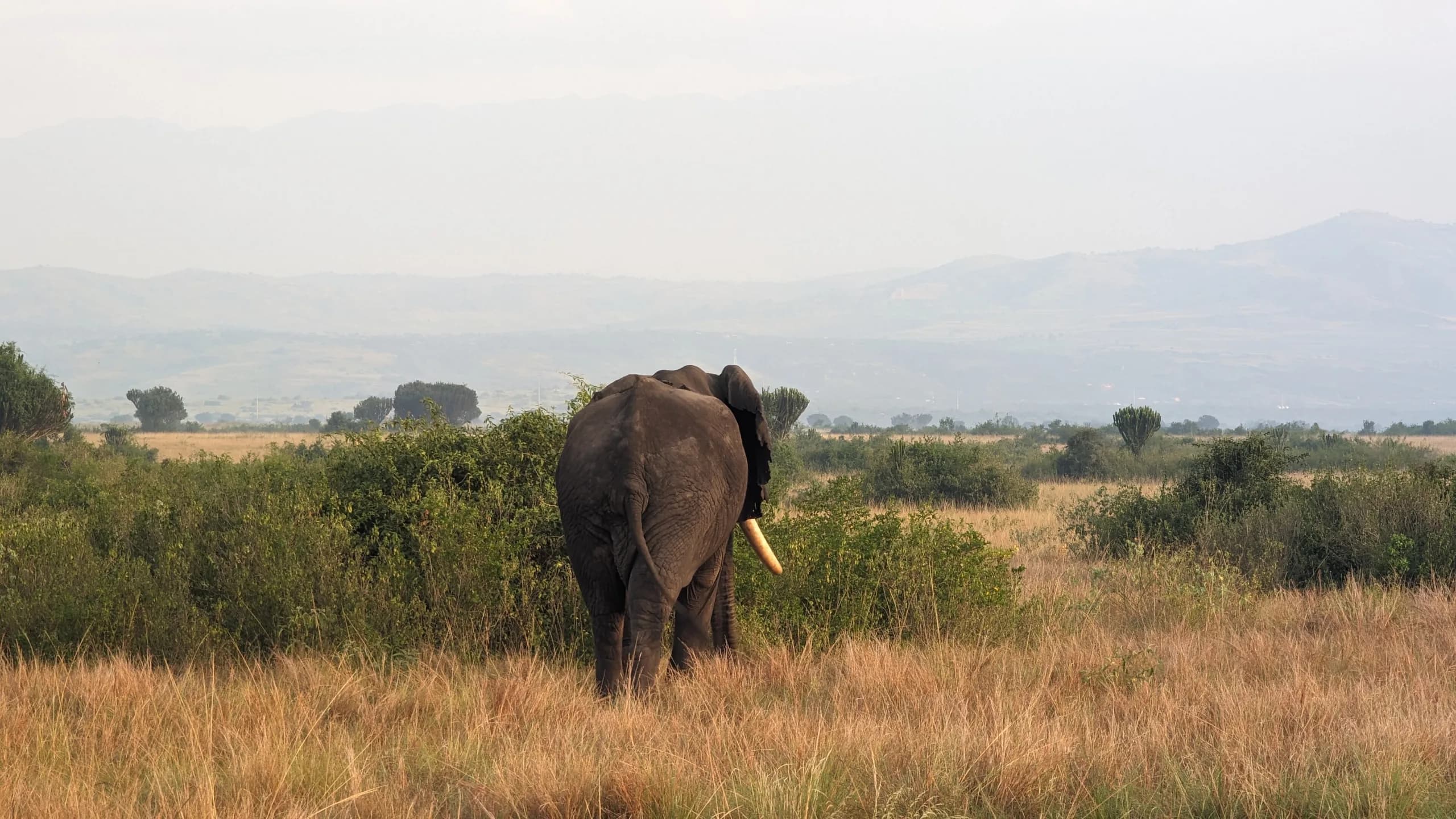
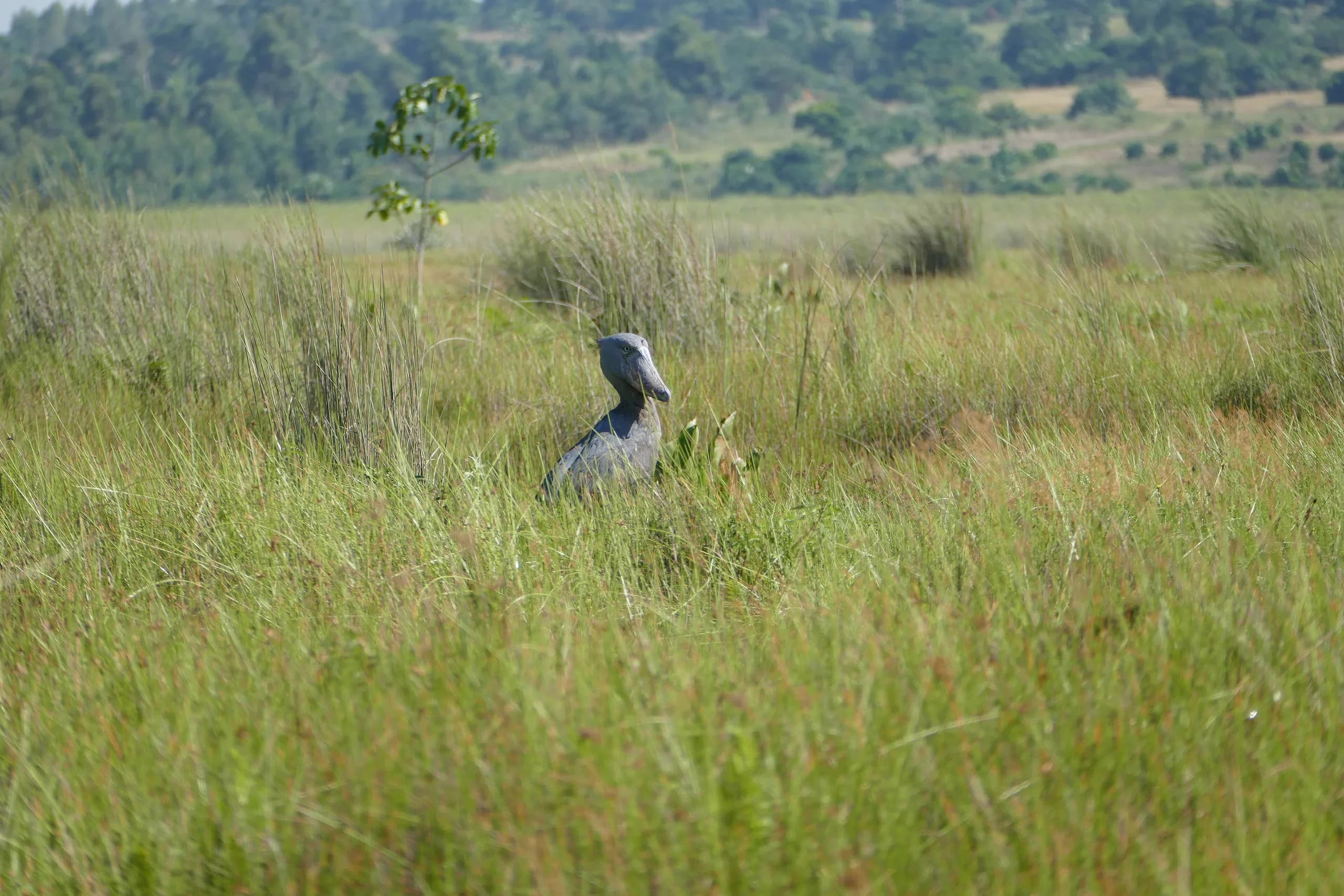
Yes — if you can give it three nights or more and you value emptiness over convenience. Kidepo Valley sits in Uganda's far northeast, and it is the hardest of the country's national parks to reach. What you get back is wide, open savannah, a wildlife list with a distinctly dry-country character, and the quiet that comes with being that far from anywhere. On a short first trip built around gorillas, it is the wrong place to spend your days.
That is the honest answer, and the rest of this article is about which of those two situations you are in. Kidepo is a park worth arguing for and a park worth arguing against, and the difference is almost never about the park itself. It is about how many days you have.
What actually makes Kidepo different?
Most of Uganda's headline parks sit along the western rift, within reasonable reach of each other and of the gorilla forests. Kidepo does not. It lies at the opposite corner of the country, in Karamoja, near the borders with South Sudan and Kenya. Almost everything that is good and everything that is awkward about a Kidepo trip follows from that single fact.
- The landscape reads as classic savannah. Broad valley floors ringed by mountains, rather than the forest, crater lakes and rift escarpment scenery of the west. If the picture in your head when you say "safari" is open grass and long horizons, this is the Ugandan park that matches it.
- The wildlife has a dry-country character. The species mix here belongs to the arid north and the East African plains rather than to the moist western parks, so it does not feel like a repeat of what you have already seen at Queen Elizabeth.
- The remoteness is the point. The distance that makes Kidepo hard to reach is the same thing that keeps vehicle numbers low once you are inside it. There is no published visitor-number comparison we would stand behind, but the effect is structural rather than seasonal: a park this far from Kampala does not fill up. If crowded sightings have disappointed you elsewhere, that is the single strongest argument for making the journey.
- The cultural setting is Karamojong. The pastoral communities around the park are unlike anywhere else on a Uganda itinerary, and for some travellers this ends up being the strongest memory of the trip.
How many days does Kidepo need to be worth it?
Three nights in the park is where it starts to make sense. Two is workable. One is not, because the travel then dominates the experience and you have paid the full cost of getting there to see almost none of it.
The reason is simple arithmetic rather than any special quality of the park. Whatever it costs you in time to reach the far northeast, you pay that cost twice — going and coming back. A short stay does not reduce the travel, it only reduces the reward. If your Uganda trip is a week or less and gorillas are the point of it, Kidepo will not fit without damaging the rest of the itinerary. We would rather say so before you book than sell you a rushed version of it. Our guide to how many days a Uganda safari needs works through the same trade-off across the whole country.
Should you fly or drive to Kidepo?
This is the decision that determines whether Kidepo is affordable in days or affordable in money, and you rarely get both.
- Flying converts most of a travel day in each direction into park time, which is what allows a shorter Kidepo stay to work at all. It is also the more expensive option, and light-aircraft schedules and charter availability into the northeast change; we confirm what is actually operating on your dates rather than quoting a timetable that may have moved.
- Driving costs you time but gives you northern Uganda itself — the country between the parks, which most fly-in visitors never see. It also lets you build Kidepo into a longer overland loop rather than treating it as an isolated add-on.
Neither is the correct answer in general. We set out the full comparison in fly-in versus road safaris in Uganda.
What does it cost to enter Kidepo?
Kidepo Valley is a Category A park under the Uganda Wildlife Authority's Conservation Tariff — the booklet published for July 2024 to June 2026, which is still the rates document UWA serves from its own rates page. For a foreign non-resident adult, park entrance is USD 40 per 24 hours, with children charged USD 20; UWA defines children as ages 5 to 15 and exempts under-fives. Entrance tickets run for 24 hours from the time of entry, and time beyond that is charged as an additional day.
| Park | UWA entrance, foreign non-resident adult | Getting there | What it is for |
|---|
| Kidepo Valley | USD 40 per 24 hours | Flight, or a long overland drive to the far northeast | Open savannah, dry-country wildlife, light vehicle traffic |
| Murchison Falls | USD 45 per 24 hours | Overland from Kampala, or a short flight | The falls, the Nile launch trip, big-game plains |
| Queen Elizabeth | USD 40 per 24 hours | On the western circuit, close to the gorilla forests | Kazinga Channel, varied habitats, easy to combine |
Those are UWA's figures, set by UWA and revised on its own schedule. The tariff booklet states that fees are subject to change without prior notice, and UWA has published a further set of rate changes taking effect on 1 January 2027 — those cover primate permits and certain guided activities, and park entrance is not among the rates listed. Lodging, vehicle, guiding and activity costs inside the park vary too much to publish as a single number, so we confirm the fees and rates in force on your dates when we quote.
When is the best time to go to Kidepo?
This is where northern Uganda genuinely differs from the rest of the country, and where a lot of published advice quietly gets it wrong.
The Uganda National Meteorological Authority notes that northern and parts of eastern Uganda usually receive substantial rainfall during June, July and August. The practical consequence is that the reliable mid-year dry window which makes June to August such a straightforward time in the southwest does not carry north. If you are building a trip around the classic June-to-August slot and assuming it applies countrywide, Kidepo is the part of the itinerary most likely to surprise you.
December to February is the more dependable dry period in the north; UNMA describes that period as typically dry across Uganda. Seasonal outlooks are issued year by year and rainfall does not read the calendar, so treat this as a pattern rather than a guarantee. The national season structure is set out in full in our best time to visit Uganda guide, which is the place to start if you are still choosing months.
Can you combine Kidepo with gorilla trekking?
You can, and it makes a superb trip, but understand what you are committing to: the gorilla forests are in the far southwest and Kidepo is in the far northeast. These are the two extreme corners of Uganda. A combined itinerary is a two-week undertaking done properly, or a flight-assisted one done at pace.
The permit, not the park, sets the shape of the itinerary. A Uganda gorilla permit costs USD 800 per person for a foreign non-resident, dropping to USD 600 in the low-season months of April, May and November — and UWA states that a low-season permit cannot be rescheduled. That rate includes the guide fee, park entrance for the day of tracking and a community development contribution, so there is no separate entrance fee to add for the tracking day. Gorilla tracking is one of the rates UWA has left unchanged in the revision taking effect on 1 January 2027.
Two booking rules shape the planning. Foreign non-residents can buy Uganda gorilla and chimpanzee permits only through a licensed tour operator; UWA does not sell those permits direct to overseas visitors. And since 1 March 2026 there is no free holding period — UWA suspended the seven-day reservation window, and its booking system now secures a permit only on full payment at the time of booking.
In other words, the gorilla date is fixed first and everything else, Kidepo included, is built around it. That is the kind of sequencing we handle on our Uganda Grand Circuit, and the permit mechanics are covered in our gorilla trekking guide.
Who should skip Kidepo?
Being clear about this is more useful than another paragraph of praise.
- First-time East Africa visitors with a week or less. Spend the days on gorillas and one savannah park. Keep Kidepo for a second trip.
- Anyone travelling with young children who do not tolerate long transfers. The travel is the hard part, not the park.
- Travellers who want a dense checklist of species in a short window. Uganda's western circuit delivers more variety per day.
- Anyone who needs certainty about mid-year weather. See the seasonality point above.
Conversely, if you have been to East Africa before, if crowded sightings have put you off the busier parks, or if you simply have the time — Kidepo is the strongest argument Uganda has for a returning traveller.
So, is it worth it?
Worth it is a function of the days you have, not of the park. Kidepo repays a three-night stay generously and punishes a one-night stop. If you are unsure which side of that line your trip sits on, tell us your dates and your total number of days and we will say plainly whether it fits — including when the answer is that it does not.
Start with planning your safari, or get in touch with the dates you are considering.