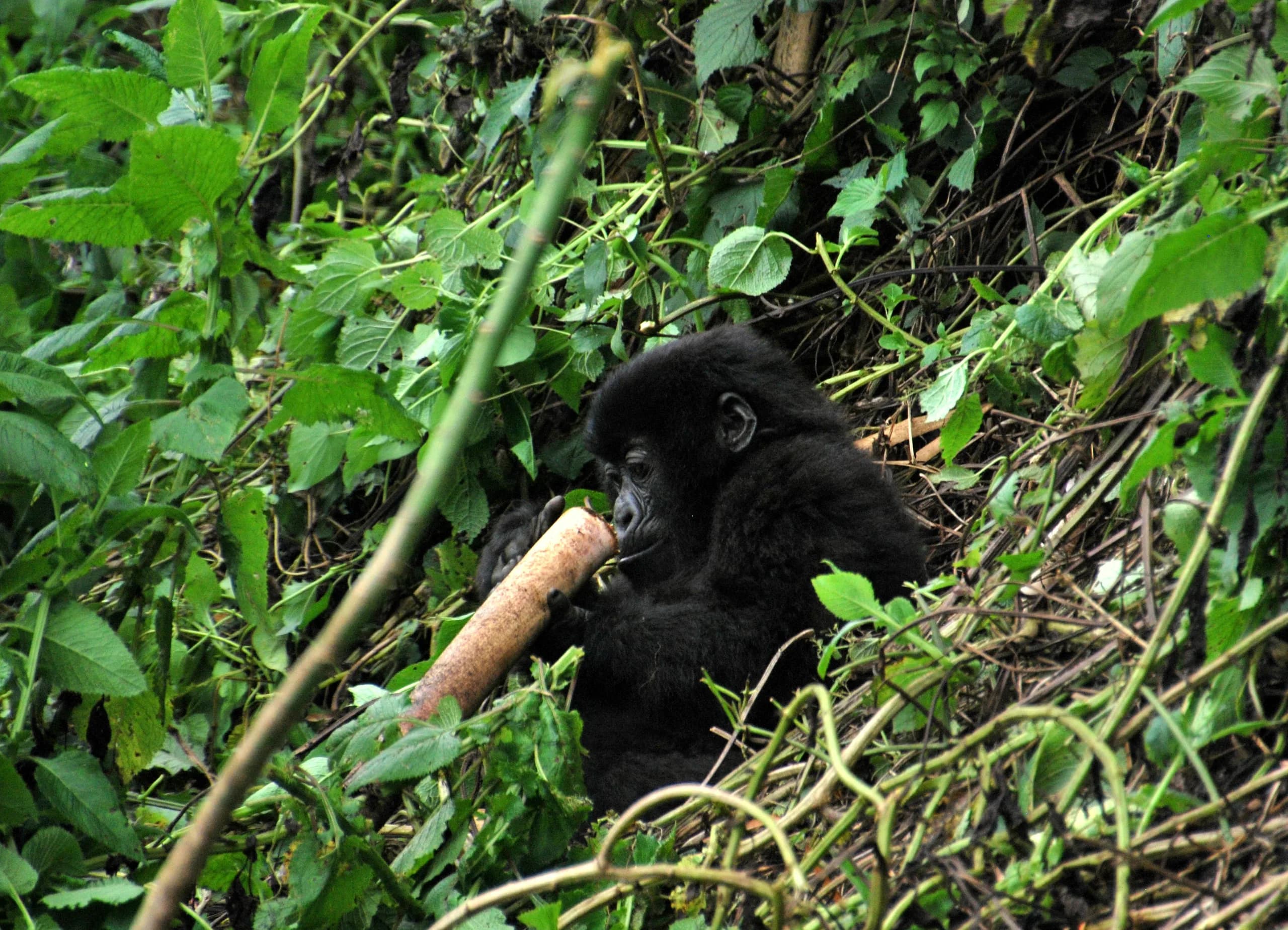
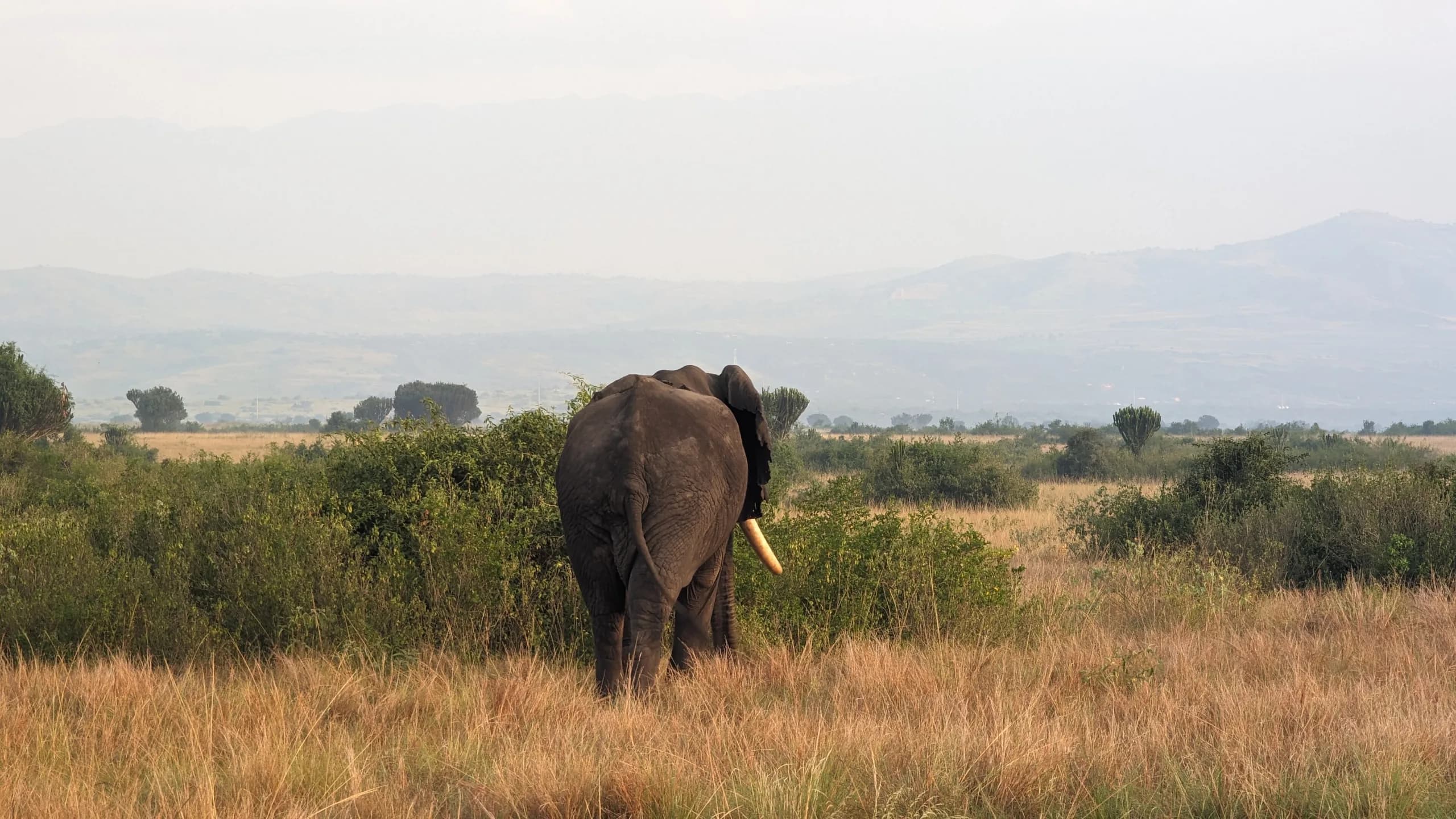
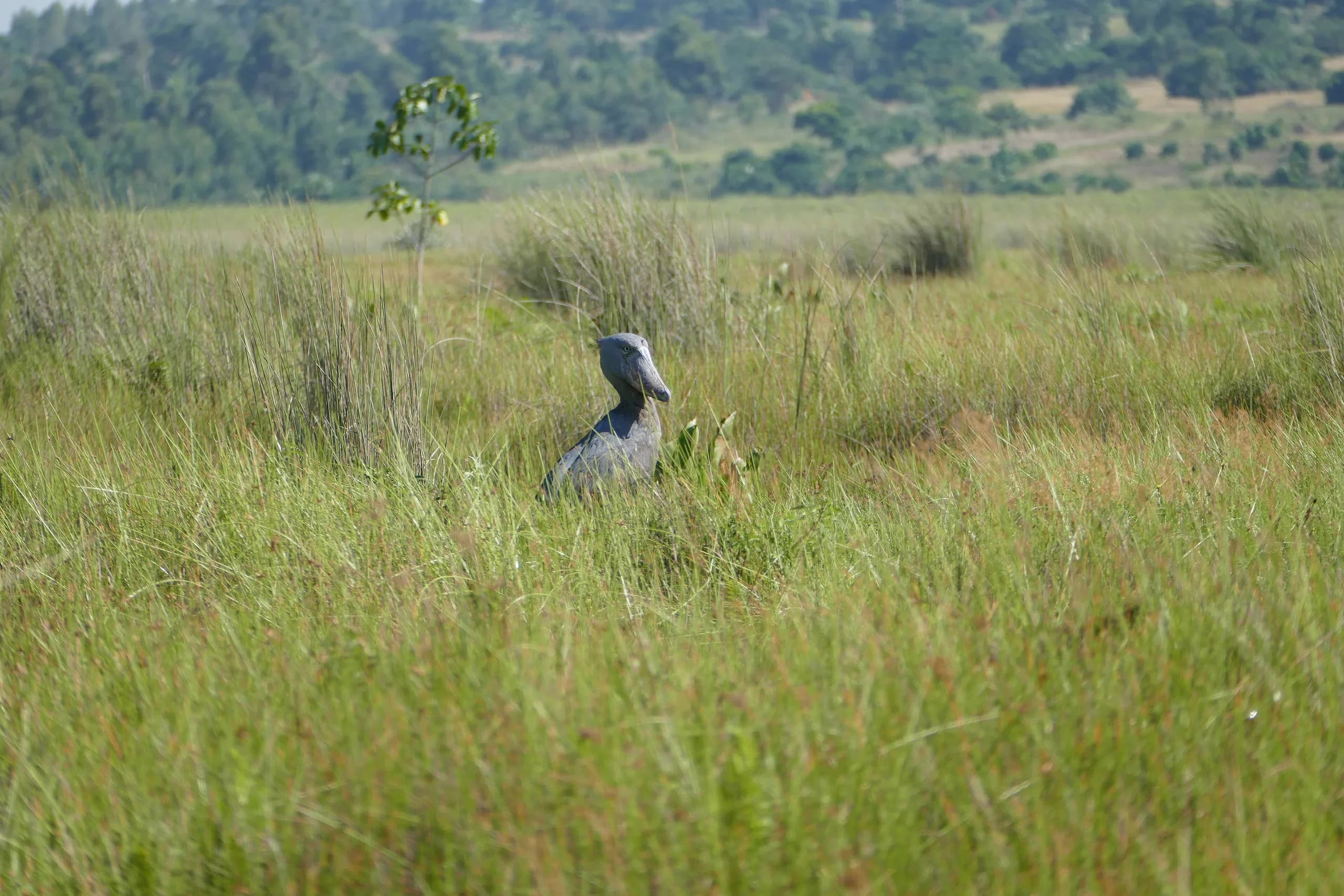
Yes, a safari is safe for children, provided you take malaria precautions seriously, follow the camp rules about being escorted after dark, and pace the itinerary for the youngest person in the vehicle rather than the oldest. The risks people worry about, which are predators and crime, are not the ones that actually matter. The risks that matter are mosquito-borne illness, sun and dehydration, road travel, and a child who has had enough of a vehicle four hours from anywhere. All four are manageable, and operators here manage them daily. The hard constraint to know before you plan anything is the minimum age for the primate treks: 15 for gorillas in both Uganda and Rwanda, 12 for chimpanzee tracking in Uganda and 15 in Rwanda, checked against passports and never waived.
What are the minimum ages?
| Activity | Minimum age | Set by |
|---|
| Gorilla trekking, Uganda | 15 | Uganda Wildlife Authority |
|---|
| Gorilla trekking, Rwanda | 15 | Rwanda Development Board |
|---|
| Chimpanzee tracking, Uganda | 12 | Uganda Wildlife Authority |
|---|
| Chimpanzee tracking, Rwanda | 15 | Rwanda Development Board |
|---|
| Game drives | No park minimum | Individual lodge policy applies |
|---|
| Walking safari | Usually 12 to 16 | Individual lodge or conservancy |
|---|
| Night drive, conservancies | Usually 12 | Individual conservancy |
|---|
| Hot air balloon | Usually 7, plus a height minimum | Individual balloon operator |
|---|
These are enforced with passports at the briefing. A child two months short of their fifteenth birthday does not trek, and no operator can change that.
What are the real risks, and how are they managed?
- Malaria. The genuine one. Almost all of the region is a malaria area. Take prophylaxis prescribed by a travel clinic at a paediatric dose calculated by weight, use repellent from late afternoon, cover arms and legs at dusk, and sleep under the net the camp provides.
- Sun and dehydration. Children dehydrate faster than adults and often do not say so. Water in the vehicle, hats, high-factor sunscreen and rehydration salts in the bag.
- Road travel. Statistically the largest risk on any African trip. It is reduced by shorter driving days, a well-maintained vehicle, an experienced driver and seatbelts that are worn. Ask your operator directly about vehicle age and driver hours.
- Wildlife in camp. Real but manageable. Unfenced camps have hippo and buffalo walking through at night, which is why you are escorted to your tent after dark. That rule is not theatre and it is not negotiable.
- Stomach upsets. Drink only filtered or bottled water, including for brushing teeth, and let the camp kitchen handle the food.
What is the right age to bring a child?
There is no single answer, but there are patterns.
Under five. Possible, and some family camps are excellent at it, but rarely good value. Malaria prophylaxis options are more restricted for very young children, the drives are long, and almost none of it is remembered. If you do go, stay in one place and accept that it is a holiday with wildlife rather than a safari.
Six to eleven. This is where it starts to work properly. Children of this age are old enough to use binoculars, follow a story about tracks and dung, and be genuinely thrilled by an elephant at close range. A good guide will turn the whole thing into a puzzle for them.
Twelve to fourteen. Almost everything opens up except the gorillas: chimpanzees in Uganda, walking safaris, night drives, and real involvement in the tracking.
Fifteen and over. The entire region, gorillas included. A first gorilla trek at this age tends to be the thing they talk about for years afterwards.
How should a family itinerary be different?
- Fewer places, more nights. Two parks in ten days, not four. Driving days are not holiday days.
- Fly the long transfers. An internal flight that replaces a seven-hour road day is money well spent with children in the vehicle.
- A pool. The middle of the day is hot and the animals are asleep. Everybody is better off swimming.
- Get out of the car. A Kazinga Channel boat, rhino tracked on foot at Ziwa, a canoe on Lake Mburo. Children remember the day they walked.
- Always a private vehicle. With children this is not a luxury. It is what lets you turn around when someone has had enough.
What should be in the family medical kit?
Your travel clinic will advise properly, and this is a general list rather than medical advice for your child. Most families carry paediatric paracetamol and ibuprofen, oral rehydration salts, an antihistamine, plasters and antiseptic, a thermometer, insect repellent suitable for children, high-factor sunscreen, and any prescription medication in its original labelled packaging with a copy of the prescription. Discuss antimalarials and any pre-existing condition with a travel clinic well ahead of departure.
Good camps have a first aid trained manager, a satellite phone or radio, and an arrangement with a clinic. Every vehicle we run carries a first aid kit and a guide trained to use it. Ask your operator to confirm both, and check that your insurance includes emergency air evacuation, which is the cover that actually matters out here.
Will my children be bored?
Sometimes, and that is fine. The honest position is that eleven hours in a vehicle bores most adults too. It is prevented by shorter drives, by guides who involve children rather than lecturing them, by cameras or a notebook of their own, and by not trying to see four parks in ten days.
The camps that are good with children are properly good: family tents, interconnecting rooms, early suppers, and staff who take them off to look at tracks while you have a drink. Ask us which ones, because the difference between a camp that welcomes children and a camp that tolerates them shows up on the first evening.