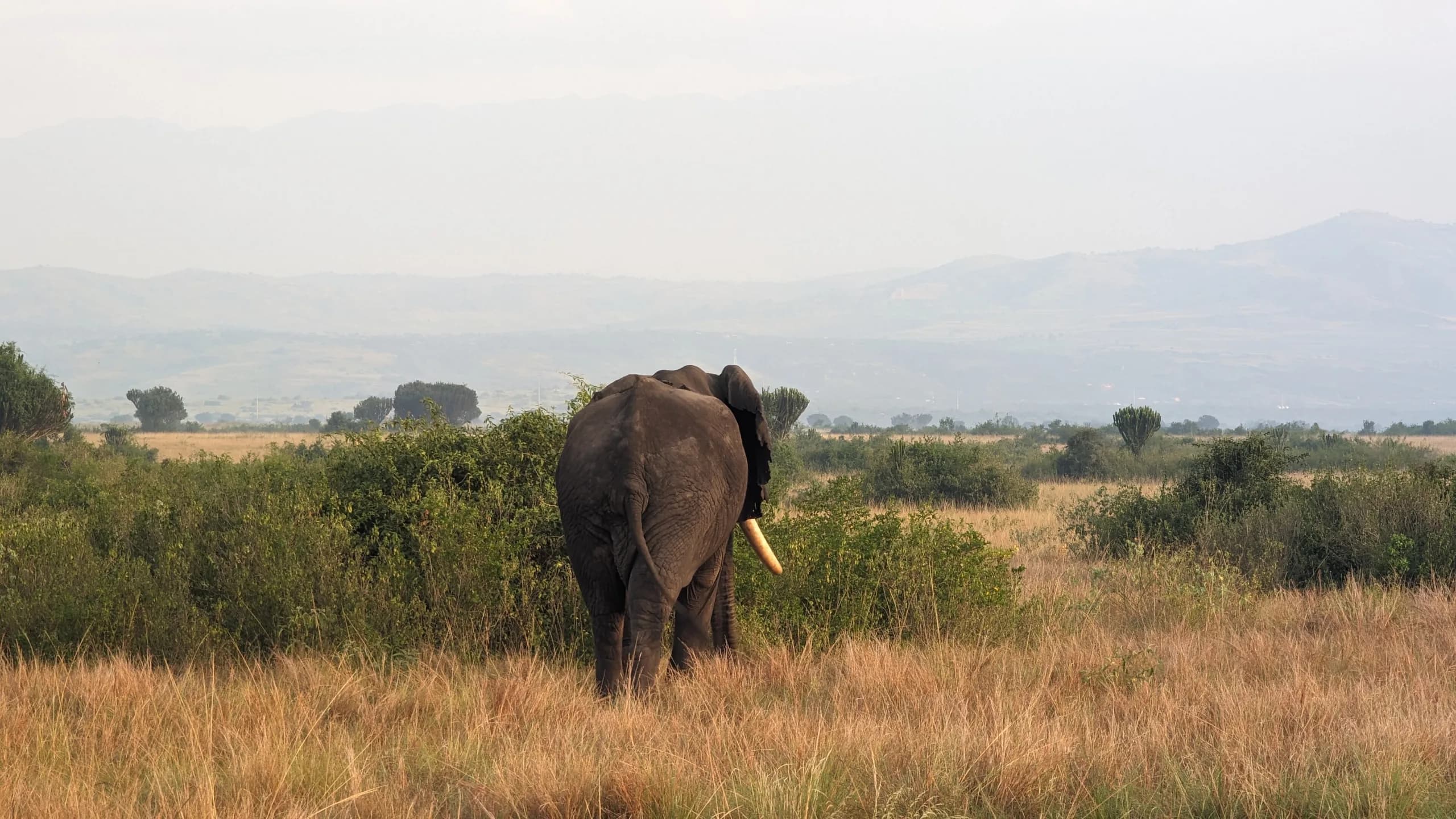
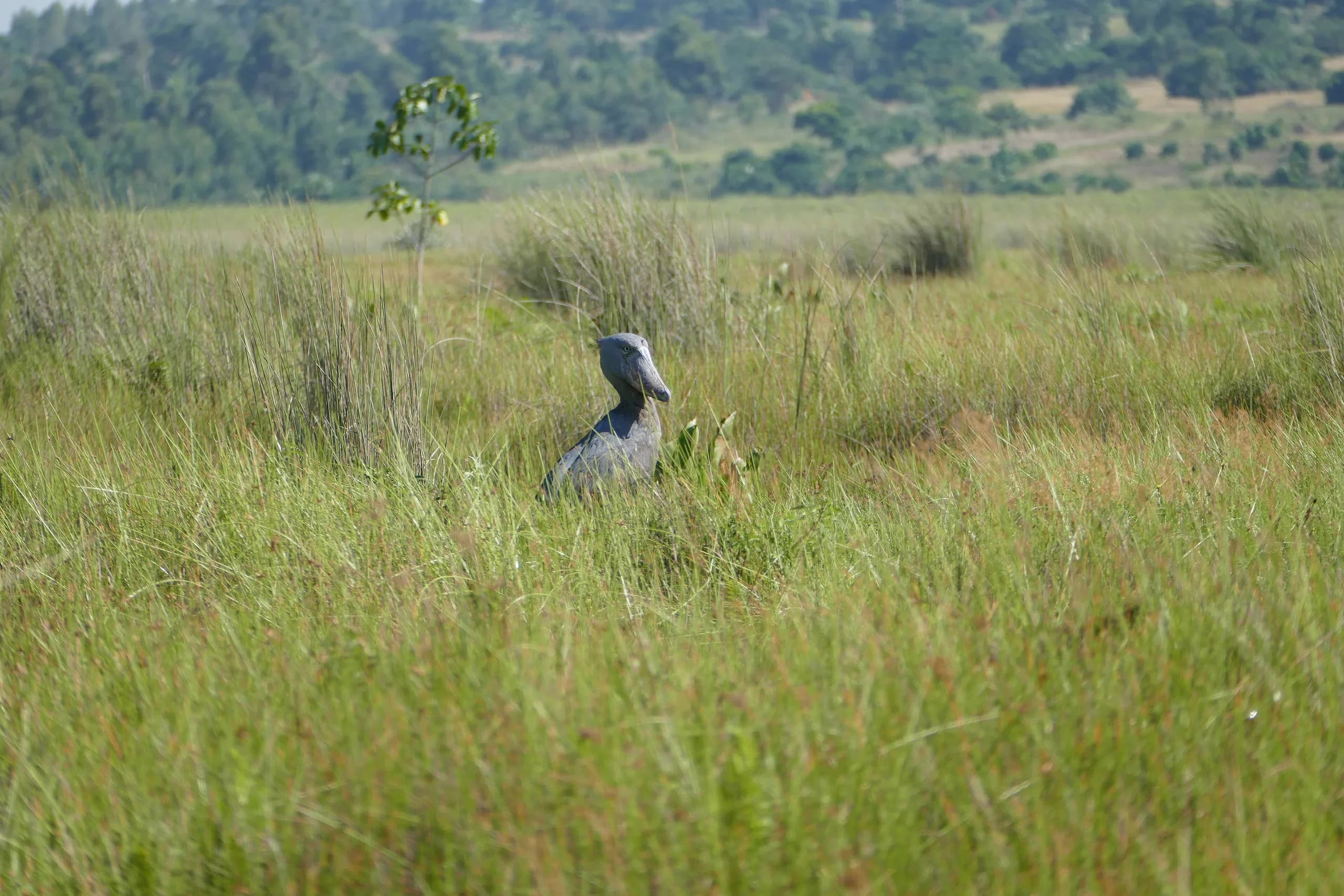
Book the reserve if you want the Mara river crossings and the lowest nightly rates, and book a conservancy if you want fewer vehicles at each sighting, night drives and walking safaris. For most people with four nights or more, the right answer is two nights in a conservancy and two in a camp with reserve access. The wildlife moves freely between them because there is no fence, so the animals are not the variable. What changes is how many other vehicles are at the leopard with you, whether you can be out after dark, whether you can get out of the vehicle at all, and where the money goes. The reserve is public land managed by the Narok County government and anyone who pays the gate fee can drive it. The conservancies are private leases over Maasai family land, and they limit the number of beds and the number of vehicles by contract.
What is a conservancy, exactly?
The land bordering the reserve to the north and east belongs to Maasai families. Rather than sell or subdivide it, groups of landowners lease their parcels collectively to a small number of camps, which pay a monthly rent per hectare directly to the families. In exchange the camps get exclusive traversing rights and set the rules.
Those rules are the product. A conservancy typically caps the number of tents per hectare, caps the number of vehicles allowed at any one sighting, and permits activities the national reserve does not.
How do the two actually compare?
| | Masai Mara National Reserve | Private conservancies |
|---|
| Land status | Public, managed by Narok County | Maasai family land leased to camps |
|---|
| Vehicles at a sighting | Uncapped in practice | Usually capped, commonly three to five |
|---|
| Night drives | Not permitted | Permitted |
|---|
| Walking safaris | Not permitted | Permitted with an armed guide |
|---|
| Off-road driving | Restricted | Usually permitted, at the guide’s discretion |
|---|
| Mara river crossings | Yes, this is where they happen | No river frontage. Access by day trip into the reserve |
|---|
| Typical cost | Lower nightly rate plus a daily park fee | Higher nightly rate with a conservancy fee included |
|---|
| Camp density | High, especially on the eastern side | Low by design |
|---|
For the quality of each sighting, yes, and it is not close. Watching a cheetah hunt with two other vehicles present is a fundamentally different experience from watching it with twenty, and in the reserve in August twenty is realistic at a good sighting.
The gap is smaller than the headline rates suggest, because conservancy rates usually include the conservancy fee, all game activities, drinks and often laundry, whereas a reserve camp may quote a lower bed rate and then add a daily park entry fee per person, plus drinks and extras. Compare fully inclusive against fully inclusive before deciding.
What do I lose by staying only in a conservancy?
The river. The Mara river runs through the reserve, so crossings happen there and not in the conservancies. Most conservancy camps run a full-day trip into the reserve with a packed lunch, and that works, but it means an early start, a park fee for the day, and being in the reserve on the reserve’s terms.
If you are travelling between late July and early October specifically for crossings, build at least two nights inside or immediately adjacent to the reserve so you are not spending two hours of each morning driving to the gate.
Which conservancy should I choose?
They differ more than people expect. Rather than name a favourite, here is what to ask before booking any of them.
- How many vehicles are allowed at one sighting? Three to five is normal. If nobody can tell you the number, it is not enforced.
- How many beds per hectare? A low density is the whole point.
- How far to the reserve gate? This decides whether a crossing day trip is realistic.
- Are night drives and walks included or charged? They are the reason you are paying more.
- How is the lease paid, and to how many landowners? A good camp will answer this in detail and be pleased you asked.
Is the reserve overrated?
No. It is one of the great wildlife areas on earth, the density of predators is extraordinary, and the crossings genuinely have no equivalent anywhere. The criticism is about vehicle pressure in the peak months on the eastern side, not about the ecosystem.
Two things reduce that pressure. The Mara triangle, west of the Mara river, is managed separately and is noticeably better regulated with fewer vehicles. And going in January, February or March, outside the migration window, gives you the reserve with resident lion, leopard, cheetah and elephant and a fraction of the traffic.
What does the ideal Mara itinerary look like?
- Four nights, July to October. Two in a conservancy for the quiet sightings and the night drives, two with reserve access for the crossings.
- Four nights, any other month. All four in a conservancy. The resident game is excellent and the reserve is less compelling without the herds.
- Three nights or fewer. Pick one and stay put. Moving camp costs you half a day and the Mara rewards knowing one area.
- With children. A conservancy, for the walking, the flexibility and the smaller camps.
Does the conservancy model actually work?
It is the strongest argument in East African conservation that tourism can pay for land. The leases give Maasai families a monthly income for keeping the land open and unfenced, which competes directly with the alternative of subdividing it for wheat and cattle. Reduce the beds and the model stops paying, which is why the vehicle caps and bed limits are contractual rather than aspirational.
Ask your camp who they lease from and how many families are paid. The ones doing it properly will tell you without hesitating.