
Uganda, river and town
Jinja and the Source of the Nile
Where the Nile leaves Lake Victoria, and the grade five water that still runs below it
About Jinja and the Source of the Nile
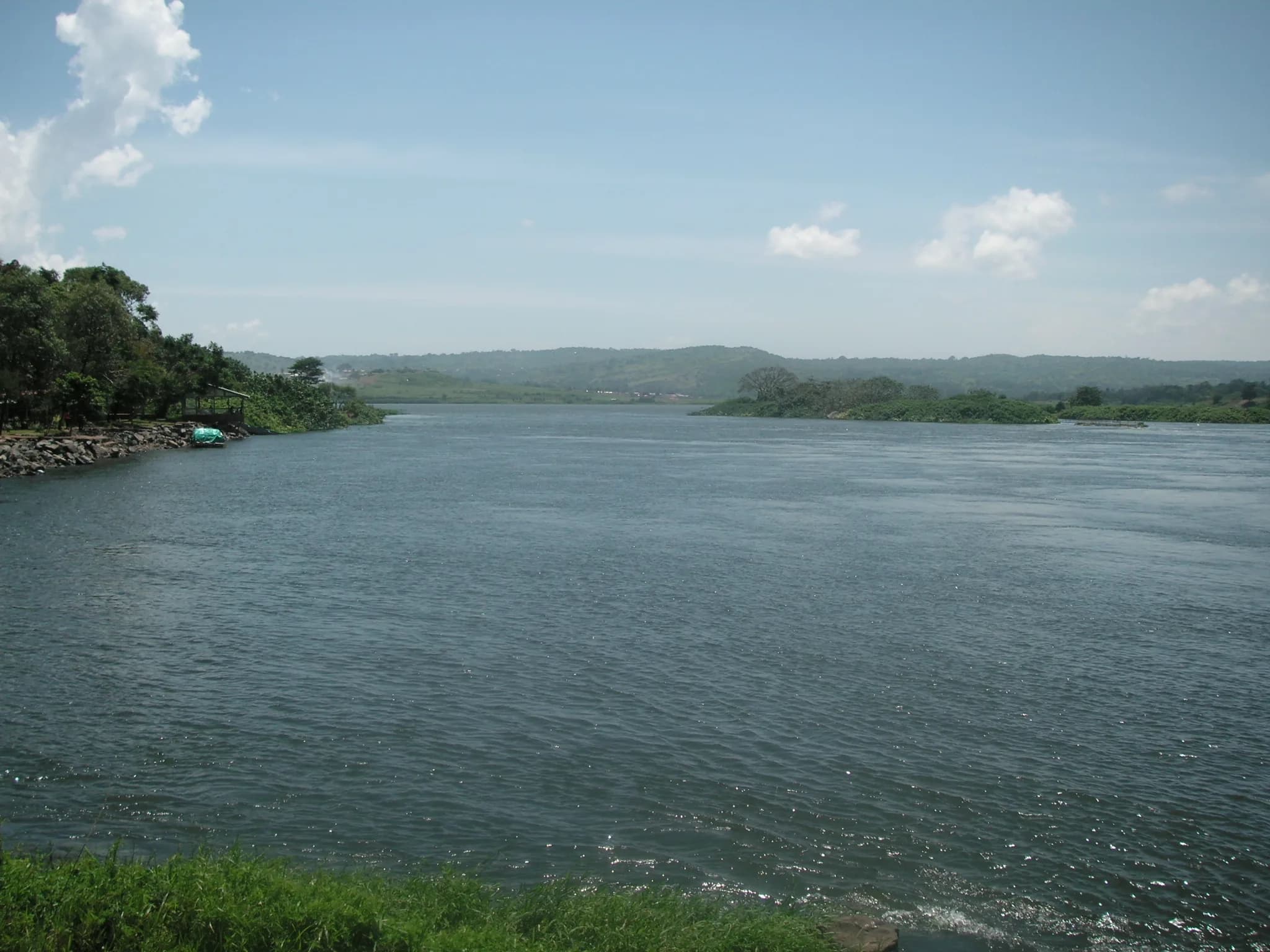
Jinja sits on the eastern bank at the point where the Victoria Nile leaves Lake Victoria and begins the journey north. John Hanning Speke reached this outflow in July 1862 and named the rapids here Ripon Falls, which settled a question European geography had been arguing about for two thousand years. The falls themselves no longer exist: the Owen Falls Dam drowned them in 1954, and what you look at now is a broad, calm reach of green water with a marker where the rapids used to be.
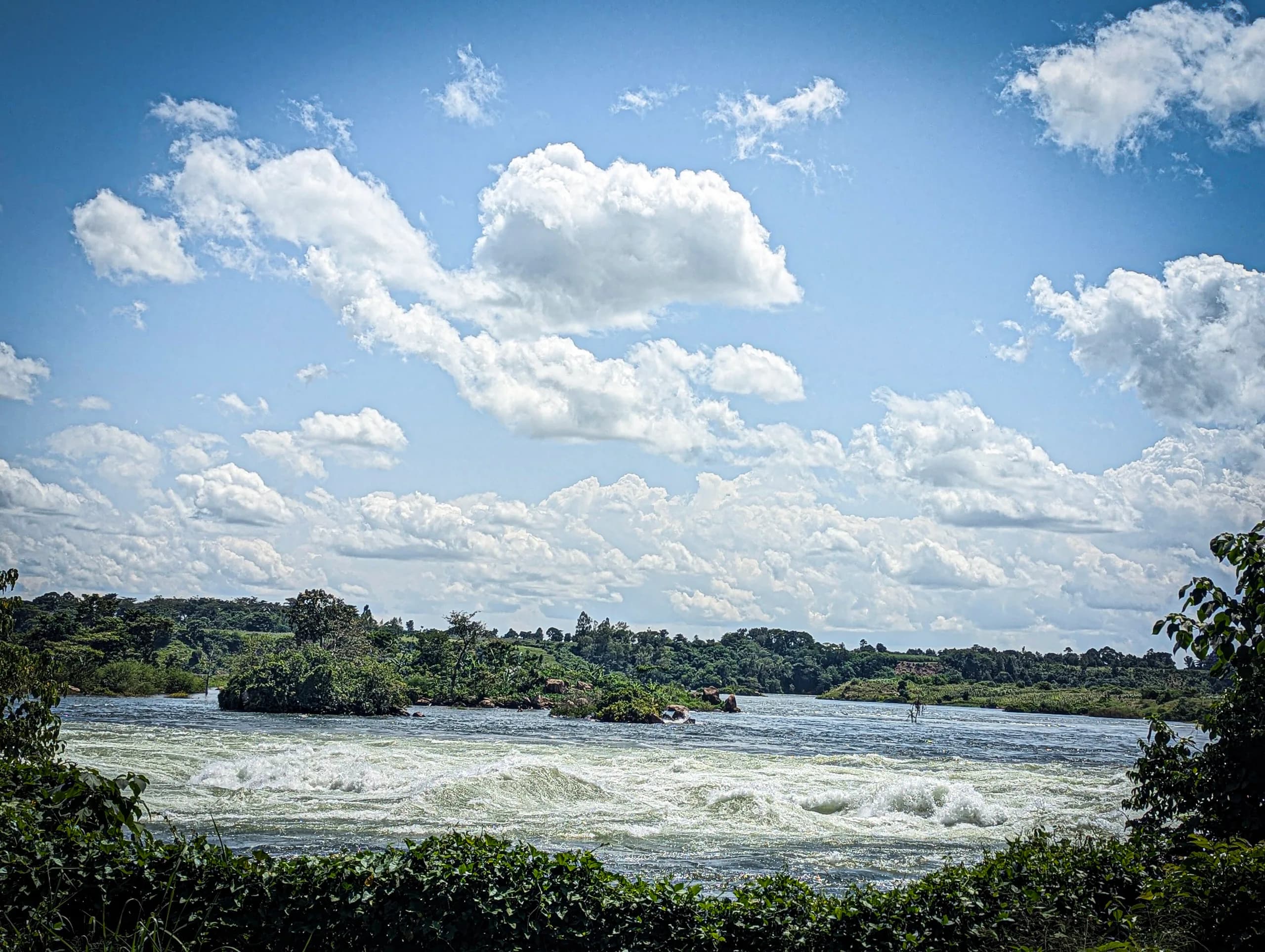
What survived is the whitewater downstream. Below Bujagali the river drops through a sequence of big-volume grade four and five rapids, and Jinja has been one of the serious commercial rafting destinations in the world for thirty years. Two hydro dams have taken sections of it, the run is shorter than it was, and it is still the best water in East Africa by a distance.
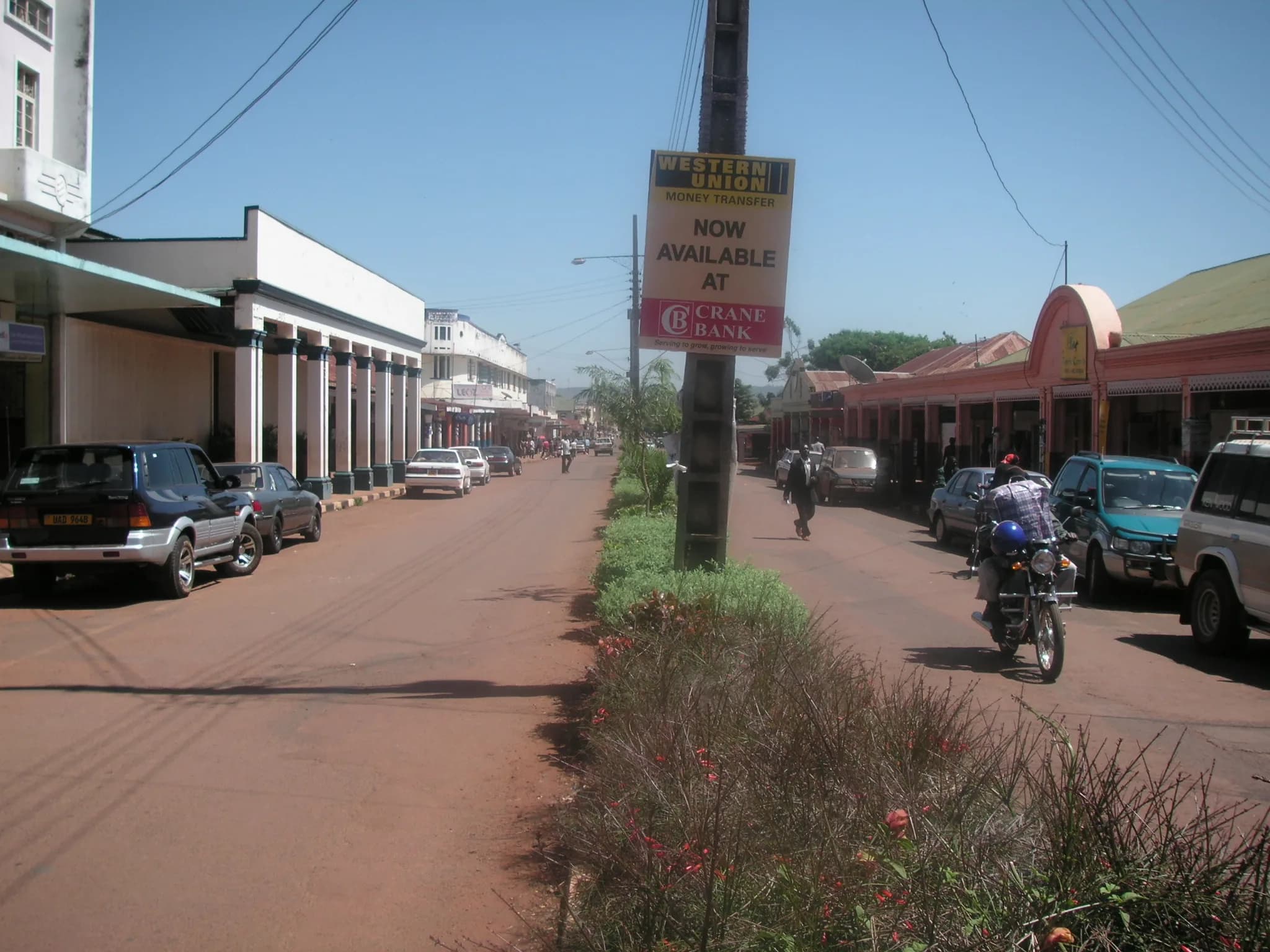
The town itself is worth an evening. It was built as an industrial centre in the 1950s, the Main Street shopfronts are Indian-built and largely intact, and it has grown into the place where people who came to raft never left. It is eighty kilometres from Kampala on tarmac, which makes it the most accessible thing in this list.
The source, and what happened to the falls
Speke reached the outflow in July 1862 and named it after the president of the Royal Geographical Society. The Owen Falls Dam, opened in 1954 and now called Nalubaale, raised the lake level and submerged Ripon Falls completely. So the honest position is this: there is no waterfall at the Source of the Nile and there has not been one for seventy years. What there is instead is a genuine geographical point, a decent garden on the western bank with a monument and a memorial to Gandhi, whose ashes were immersed in the river here in 1948, and boatmen who will run you out to the marker where springs still push up through the surface.
Entry to the source gardens is a small fee set by the city, the equivalent of a few US dollars for a foreign visitor and less for Ugandans, and it is indicative like everything else in this file. The boat out to the marker is negotiated separately at the jetty and the rate moves with fuel. Go in the last hour of light rather than the middle of the day.
Rafting, and what the dams took
The commercial day trip puts you on grade four and five rapids with names the guides use like landmarks, and the biggest of them, Itanda, is graded six and is portaged rather than run. Rafts are large, the volume is enormous and warm, and the swims are long and deep rather than shallow and rocky, which is why this river takes complete beginners in a way that a technical alpine river never could. Safety kayakers run alongside every raft.
Two dams have changed it. Bujagali, commissioned in 2012, submerged Bujagali Falls and the rapids immediately below the old put-in. Isimba, commissioned downstream in 2019, flooded a further stretch and shortened the commercial run again. Operators moved the put-in and rebuilt the day around what is left. Anyone who rafted here in 2005 will tell you it is not the river it was and they are right. Anyone rafting it for the first time will still have one of the best days of the trip.
A full day, including lunch on the water and transfer from town, generally falls somewhere between 125 and 160 US dollars per person, with half days lower. The rafting companies set those prices themselves; there is no authority tariff here, and the figures are indicative.
Everything else on the water and off it
Kayaking with instruction, riverboarding, stand-up paddleboarding and tubing all run from the same stretch. There is a bungee jump of around 44 metres from a tower over the river, priced by its operator. Nile Horseback Safaris runs rides along the eastern bank through villages and farmland, which is a good half day and a complete change of pace. Sunset cruises leave from several jetties and are the low-effort option. Quad biking runs on the tracks inland.
The town
Jinja was laid out as a colonial industrial town and much of that fabric is still standing. Main Street is a run of Indian-built shopfronts from the middle of the last century, most of them still trading, and the town has picked up a coffee, craft and second-hand scene around them. The old railway station and the golf course above the river are worth ten minutes each. It is a comfortable place to spend an evening and it is the only town in this list where you can walk around after dark without thinking about it.
Mabira on the road in
Mabira Forest covers around 300 square kilometres directly on the Kampala to Jinja road, and almost everybody drives through it without stopping. It holds red-tailed monkey, grey-cheeked mangabey and Nahan’s francolin, which is one of the rarest birds in Uganda and which Mabira is one of the two places to find. There is a canopy zipline course, a network of forest trails and a Uganda Wildlife Authority entry fee at the Najjembe gate. Two hours here breaks the drive properly.
What people come here for
- The point where the Nile leaves Lake Victoria, with a boat out to the marker in the last of the light
- A full day of big-volume grade four and five rafting, with grade six Itanda portaged
- A bungee jump of around 44 metres from a tower over the river
- Horseback riding along the eastern bank through villages and farmland
- Rock pratincole on the rapids in the low-water months at the start of the year
- Main Street in Jinja, a run of Indian-built 1950s shopfronts still trading
- Mabira Forest on the drive in, with Nahan’s francolin and a canopy zipline
What lives here
Resident species, not a promise. Wildlife moves.
- African fish eagle
- Rock pratincole
- Pied kingfisher
- Giant kingfisher
- Long-tailed cormorant
- African openbill
- Hamerkop
- Spot-necked otter
- Nile monitor
- Red-tailed monkey
Best time to visit
The river is dam-controlled, so the rafting runs at a usable level in every month of the year and the season affects your comfort rather than the water. December to February and June to August are the drier windows and the ones most people pick. March to May and September to November bring the two rainy seasons, usually as heavy afternoon storms, and the mornings are often clear enough to raft normally. Rock pratincole are on the exposed rocks in the rapids in the first months of the year when the water is at its lowest, and they are a genuine reason for birders to time a visit. Mabira is at its best for birding in the wetter months. It is hot and humid at this altitude all year and the river is warm enough to swim in whatever the date.
Getting there
By road it is eighty kilometres east of Kampala on tarmac, which takes two to two and a half hours depending entirely on how long it takes to get out of Kampala. The Source of the Nile bridge, opened in 2018, carries the highway across the river at Jinja. From Entebbe allow three hours. Jinja is the natural first night for anyone heading east to Sipi Falls and Mount Elgon, which are a further three hours on, and for anyone taking the eastern road towards Karamoja. Coming back from Sipi it is the obvious place to break the drive rather than pushing through to Kampala in the dark. There is no scheduled air service; the airstrip at Jinja handles charters only.
Around Jinja and the Source of the Nile
Tell us when you want to be here
We will say honestly what is available on your dates, what the permits cost and whether the season suits what you want to do in Jinja and the Source of the Nile.